A desperate hunt for a downed American pilot gripped the Middle East this Saturday, amplifying an already volatile regional conflict. Iran, in an unprecedented move, has publicly called upon its populace to aid in the extensive Iran Pilot Search, offering tangible rewards for the capture of what it labels an “enemy pilot.” This dramatic development follows the crash of two U.S. military planes within Iranian territory, marking a grim escalation in the war.
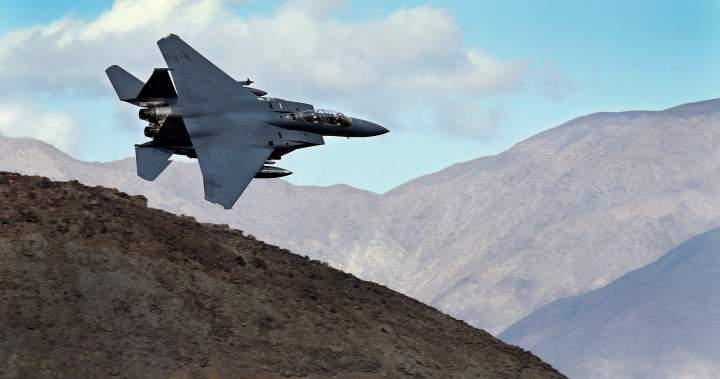
The U.S. military confirmed the search for a missing airman, reportedly shot down over a remote, mountainous area in Iran’s southwestern province of Kohgiluyeh and Boyer-Ahmad. One service member from an F-15E Strike Eagle was successfully rescued after an attack on Friday. Simultaneously, Iranian state media also reported a U.S. A-10 attack aircraft crashed in the Persian Gulf, struck by Iran’s defense forces, though the Pentagon has yet to clarify if it was truly shot down or simply crashed. The fate of its crew remains unknown.
Escalation Amidst the Iran Pilot Search
President Donald Trump, while remaining silent on the immediate incident, issued a stark warning to Tehran, reiterating his 48-hour deadline to reopen the Strait of Hormuz, threatening that “all Hell will reign down on them.” This declaration intensifies the six-week-old war, which commenced with joint U.S.-Israel strikes on February 28. The conflict has already claimed thousands of lives across the region, sent global markets reeling, and dramatically spiked fuel prices. The stakes in this perilous Iran Pilot Search couldn’t be higher, as it could further pressure the U.S. administration to reconsider its strategy.
Despite previous boasts from the U.S. and Israel about obliterating Iran’s air defenses, the recent downing of aircraft paints a different picture. Adding to the volatility, an apparent Iranian drone damaged the headquarters of U.S. technology giant Oracle in Dubai, United Arab Emirates, on Saturday. This comes after an airstrike near Iran’s Bushehr nuclear facility reportedly killed a security guard and damaged a support building, marking the fourth such targeting of the facility.
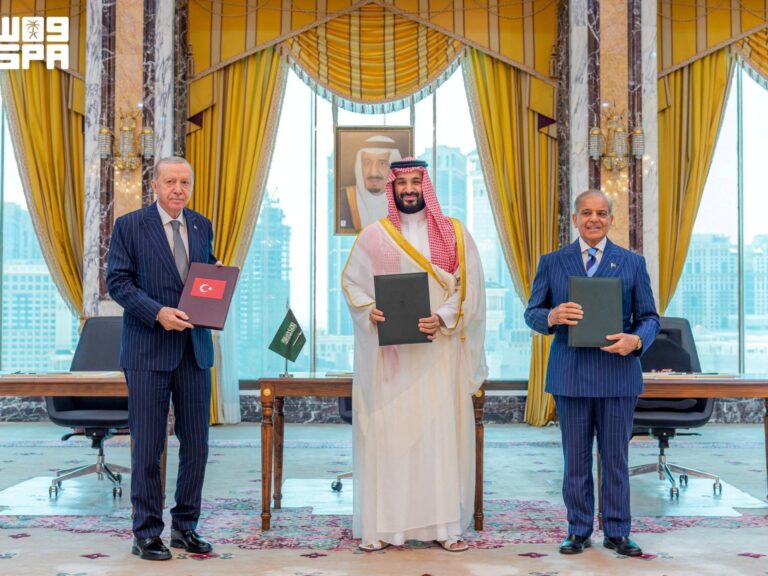
Amidst this deepening crisis, diplomatic efforts are reportedly underway. Pakistan’s Foreign Ministry spokesperson, Tahir Andrabi, confirmed that his government’s ceasefire initiatives are “right on track.” Iran’s foreign minister, Abbas Araghchi, expressed willingness to join talks in Islamabad. Mediators from Pakistan, Turkey, and Egypt are working to bridge demands to halt the conflict and ensure the reopening of the crucial Strait of Hormuz. The immediate outcome of this Iran Pilot Search remains uncertain, but its ramifications will undoubtedly echo through any peace negotiations.
Further compounding regional anxieties, Iran’s parliamentary speaker, Mohammad Bagher Qalibaf, late Friday issued a veiled threat to disrupt traffic through a second strategic waterway, the Bab-el-Mandeb Strait, a vital passage for global oil and container shipments. The conflict, now in its sixth week, has claimed thousands of lives across the region, with significant casualties reported in Iran, Gulf Arab states, Israel, and Lebanon. Tens of thousands have been displaced, painting a grim portrait of sustained geopolitical upheaval.
About the Author