
Iran steps up claim to control Strait of Hormuz
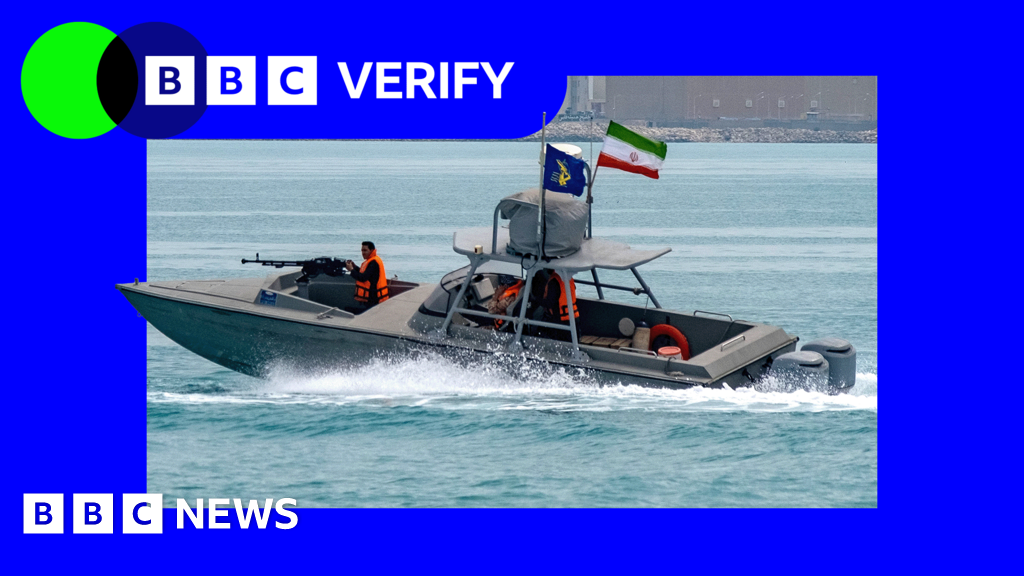
In a stunning geopolitical maneuver, Iran has dramatically expanded its claimed military oversight over the vital Strait of Hormuz, a move certain to send ripples through global energy markets and international diplomatic circles. The Islamic Republic asserts control across a staggering 22,000 square kilometers, an area reaching deep into the recognized territorial waters of Oman and the United Arab Emirates.
This audacious move asserts a new ‘Persian Gulf Strait Authority,’ declaring all transit through the strategic Strait of Hormuz now mandates their explicit coordination and authorization. Such a declaration directly challenges existing international maritime norms and has been met with swift, unequivocal condemnation from Gulf allies and the United States.
Escalating Tensions Around the Strait of Hormuz
The UAE, through its diplomatic adviser Anwar Gargash, dismissed Iran’s claims as mere “fragments of dreams,” a stark rejection underscoring the gravity of the situation. Ships traversing these waters are typically guaranteed safe passage under the United Nations Convention on the Law of the Sea, a convention Iran notably has not ratified. This critical omission grants Tehran a perceived loophole to assert its newfound authority, complicating an already precarious maritime security landscape.
As these claims surface, incidents of regional provocation persist. Iranian state media, closely linked to the Islamic Revolutionary Guard Corps (IRGC), recently broadcast footage purporting to show a “punishment” strike on a tanker within the strait. BBC Verify analysis suggests the target was likely the Liberian-flagged Barakah, which reported being hit by unknown projectiles in early May. This incident highlights the volatile reality confronting vessels in these crucial shipping lanes.
The timing of Iran’s expansionist rhetoric is particularly pointed, coinciding with a heightened presence of US forces in the region. Just this week, US military Central Command (Centcom) boarded the oil tanker Celestial Sea in the Gulf of Oman, suspected of attempting to breach an American blockade against Iranian ports. Dramatic Centcom footage depicted US Marines rappelling from a helicopter onto the tanker’s deck, though the vessel was later released after a search and change of course. This swift action by American forces underscores Washington’s resolve in enforcing its sanctions regime and maintaining freedom of navigation.
Amidst this intensifying standoff, a fragile diplomatic effort is underway. Former US President Donald Trump, citing requests from Gulf states including Qatar, Saudi Arabia, and the UAE, announced a temporary halt to a planned military attack on Iran, signaling that “serious negotiations are now taking place.” Pakistan’s military chief is reportedly in Tehran, attempting to mediate peace efforts between the adversaries. The Iranian foreign ministry confirmed it is reviewing US proposals aimed at de-escalating the conflict, though Trump’s stern warning remains: “Believe me, if we don’t get the right answers, it goes very quickly. We’re all ready to go.” The world watches with bated breath as diplomatic overtures clash with escalating military posturing over critical international maritime governance.