
Is China seeking to copy Iran’s Strait of Hormuz blockade around Taiwan?
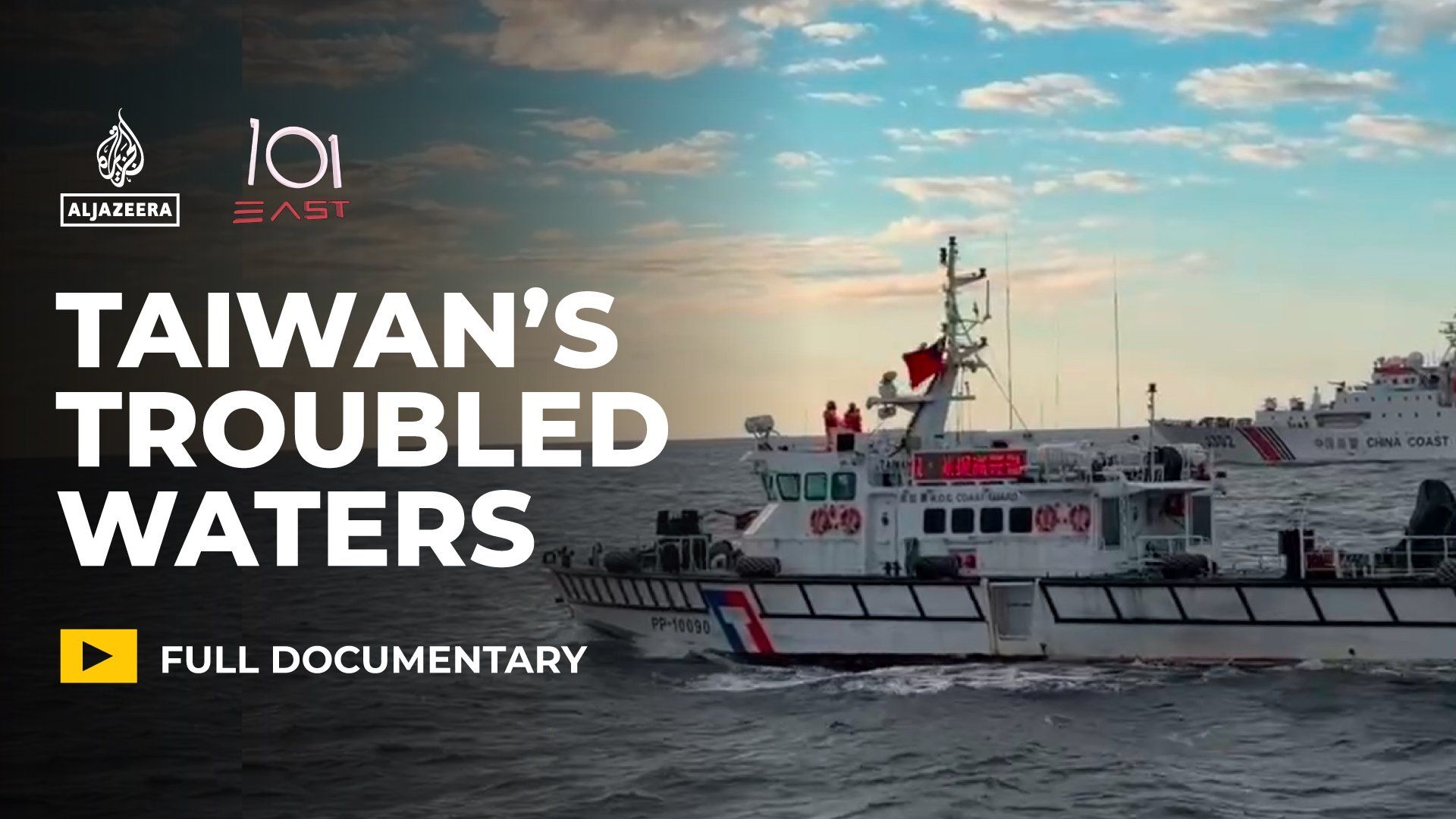
The specter of conflict casts a long, unsettling shadow across East Asia. As the world grapples with ongoing hostilities in places like Ukraine and concerns surrounding the Strait of Hormuz, a chilling question looms large: Is China preparing to replicate Iran’s blockade tactics around Taiwan? The possibility of a Taiwan Strait blockade is no longer mere speculation; it’s a deeply scrutinized scenario with potentially catastrophic global ramifications.
Understanding the Taiwan Strait Blockade Threat
Taiwan, a vibrant, self-governing island democracy, has for decades lived under the perpetual threat of a Chinese military invasion. Beijing steadfastly claims the island as its own, a “renegade province” destined for reunification, by force if necessary. This long-standing tension has been acutely exacerbated by recent geopolitical shifts.
Analysts are now drawing sharp parallels between Iran’s strategic leverage over the Strait of Hormuz and China’s potential chokehold on the Taiwan Strait. Such a move, if executed, would not only represent a severe escalation but could also throw the global economy into unprecedented disarray. The United States, historically Taiwan’s informal guarantor of security, finds itself increasingly stretched, prompting fears that its capacity to intervene decisively might be compromised should another major conflict erupt elsewhere.
The world’s reliance on Taiwan’s advanced semiconductor industry is immense. This tiny island nation is the undisputed leader in manufacturing the microchips that power everything from smartphones and cars to advanced military hardware. A disruption, even a temporary one, caused by a Taiwan Strait blockade, would send shockwaves through every sector, grinding industries to a halt and igniting a global economic crisis.
Global Repercussions and Taiwan’s Resolve
Taiwan is not oblivious to these grim possibilities. For years, it has meticulously prepared for various invasion scenarios, including a comprehensive maritime blockade. These preparations involve everything from bolstering defensive capabilities to ensuring essential supply chain resilience. The island’s spirit remains defiant; its residents, from bustling cities to quiet coastal towns, express a deep-seated determination to protect their sovereignty and way of life.
The implications extend far beyond regional security. A significant portion of global trade traverses the strategic waters of the Taiwan Strait. Any interruption, be it a direct military engagement or a sustained Taiwan Strait blockade, would undoubtedly disrupt crucial shipping lanes, impacting everything from energy supplies to consumer goods worldwide. Understanding the intricate web of global commerce is vital when considering such a scenario. For more on the interconnectedness of international trade, read this analysis on global supply chains.
As the international community watches with bated breath, the question isn’t just about military might, but about the profound economic and human cost of a potential conflict. Taiwan stands ready, its people resolute, facing a formidable challenge with unwavering courage.