
Israel-bound flight diverted after fight between pilots
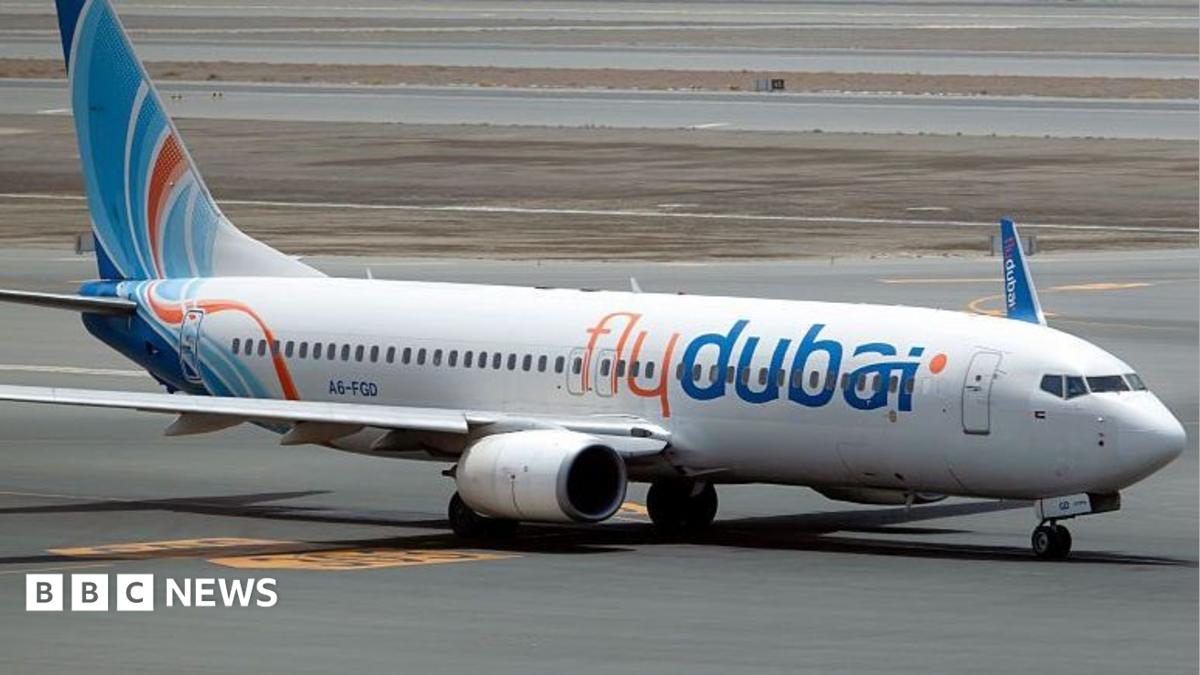
A routine flight from Dubai to Tel Aviv descended into chaos this week, forcing a sudden diversion that gripped international headlines. The incident, involving a Flydubai jet, was triggered by a violent cockpit fight that erupted between the pilots mid-air. With approximately 150 passengers on board, mostly Israeli citizens, the sudden deviation from the planned flight path towards Saudi Arabia left both travelers and aviation authorities in a state of high alert.
The aircraft, identified as flight FZ1073, departed Dubai International Airport in the early hours of Wednesday morning. Roughly two hours into the journey, the situation deteriorated rapidly inside the flight deck. According to data retrieved from the tracking platform Flightradar24, the plane triggered an emergency signal shortly after 05:31 UTC. In a move that signaled the severity of the crisis, the transponder code was quickly updated to indicate a hijacking, a standard procedure when unauthorized individuals or hostile actions compromise flight deck control.
Understanding the Cockpit Fight Crisis
As details continue to emerge regarding this harrowing cockpit fight, local media outlets in Israel have cited officials who describe a physical altercation between the two flight crew members. Reports suggest that one pilot allegedly stabbed the other during the confrontation. Such an extreme breach of protocol is almost unprecedented in modern commercial aviation, where cockpit security is designed to be impenetrable to protect the flight deck from external threats, rather than internal ones.
The flight path of FZ1073 shows a trajectory that highlights the urgency of the moment. After the emergency was declared, the plane performed a dramatic and rapid descent, dropping over 17,000 feet in less than two minutes. This rapid descent is a critical maneuver used by pilots to normalize cabin pressure or to reach a lower altitude quickly during an emergency. Following a brief entry into Jordanian airspace, the aircraft turned back into Saudi Arabian territory, ultimately landing safely at Tabuk Airport. While the incident mirrors some of the intense scenarios explored in recent global security updates, such as reports regarding volatile workplace security, this specific event occurred in a pressurized environment thousands of feet above the earth.
In response to the mid-air emergency, the Israeli government acted swiftly. Prime Minister Benjamin Netanyahu convened urgent consultations to manage the crisis, while the Israeli Air Force dispatched fighter jets to track the situation and ensure the security of the civilian aircraft. Netanyahu later confirmed that the situation was under control and that diplomatic efforts were underway to assist in the safe return of all passengers from Saudi Arabia.
Passenger Safety and Airline Response
Flydubai has issued a brief statement acknowledging that flight FZ1073 experienced an incident while en route. A spokesperson confirmed that the airline is currently collaborating with relevant authorities to conduct a comprehensive investigation into how such a violent cockpit fight was able to occur. For passengers aboard, the experience was likely terrifying. Those who spoke to local news outlets described the confusion of the sudden descent, followed by the realization that they were landing in an unplanned location due to a security incident.
Aviation safety experts are already calling for a thorough review of crew psychological screening and cockpit protocols in the wake of this event. While international aviation bodies enforce strict regulations regarding crew welfare, this incident raises significant questions about the potential for human conflict to override safety systems. As the investigation progresses, the primary focus remains on the medical status of the injured crew member and the logistical challenges of repatriating the passengers safely to Israel.
The landing in Tabuk served as the final stop for this diverted flight, marking a conclusion to a tense morning. For the aviation industry, this serves as a stark reminder that even with advanced technology, human behavior remains a critical and unpredictable variable in safety.