
IVF staff accused of misleading UK parents about sperm and egg donors in northern Cyprus
A disturbing investigation by BBC News has unveiled a widespread IVF donor scandal that has left at least 30 families, predominantly British, grappling with profound questions about their children’s genetic origins. These parents, who sought fertility treatment in Northern Cyprus, now fear they were deliberately misled about the sperm and egg donors used in their procedures, with DNA tests revealing ancestries vastly different from their chosen profiles. The heart of this controversy traces back to Dogus IVF Centre, a facility implicated in half of these distressing cases, where specific staff members are under intense scrutiny.
The allegations paint a grim picture: parents meticulously selected anonymous donors based on comprehensive profiles detailing medical history, physical appearance, personality traits, education, and hobbies. Yet, for many, the reality diverged sharply. The figure of 30 affected children marks a significant escalation from initial reports, underscoring a systemic problem rather than isolated incidents. This latest exposé builds upon an initial report earlier this year, first highlighted by the BBC in March, which detailed the harrowing experiences of seven families similar situations.
The Deepening IVF Donor Scandal: A Case Study and Broader Implications
Rachel, one of the courageous mothers at the centre of this unfolding drama, articulated the palpable sense of betrayal: "It’s absolutely scandalous." She, like many others, spent years wrestling with an unsettling intuition that her chosen sperm donor had not been used. Her journey began in 2012 at Dogus IVF Centre, drawn by the promise of affordable treatment – a package costing around €4,000, significantly less than in the UK – and the apparent assurance of using reputable donor sperm from Cryos International, the world’s largest sperm bank based in Denmark. Rachel carefully selected an anonymous Danish donor, ‘Ditto’ (a pseudonym), who had explicitly consented to his offspring contacting him at 18. This choice was paramount for Rachel, who believed in her child’s fundamental right to understand their origins.
However, her concerns mounted when clinic staff, including patient co-ordinator Julie Hodson, repeatedly failed to provide medical reports confirming Ditto’s sperm usage. Upon her son, Jonah’s, birth, his physical appearance further fueled her suspicions, contrasting starkly with both her own and Ditto’s described profile. Thirteen years of gnawing doubt culminated in DNA tests for Rachel and Jonah, which unequivocally confirmed he was her biological son but conclusively ruled out Ditto as the donor. Jonah, who had believed himself to be half-Danish, discovered he had Turkish and Southern European ancestry instead. While Jonah, now 13, embraced this new revelation with fascination, Rachel laments the lost opportunity for him to connect with his actual donor, raising questions about potential genetic siblings.
The scale of the alleged deception extends far beyond individual cases. Eleven of the 30 children have now undergone commercial DNA tests, consistently showing genetic ancestry from Turkey or neighbouring regions, starkly contradicting the ‘Western European’ donor profiles often promised by Northern Cypriot clinics. This discrepancy is particularly concerning given that the majority of these children were conceived at Dogus IVF Centre between 2012 and 2024.
Regulatory Loopholes and Staff Accountability
Northern Cyprus operates under a notably loose regulatory framework, being a territory where EU laws do not apply and which is legally recognised only by Turkey. This environment has allowed clinics to thrive by offering appealingly low prices, high success rates, and a broad selection of donors, making it a favoured destination for British individuals seeking fertility treatment abroad. This regulatory vacuum, however, appears to have created fertile ground for potential malpractice.
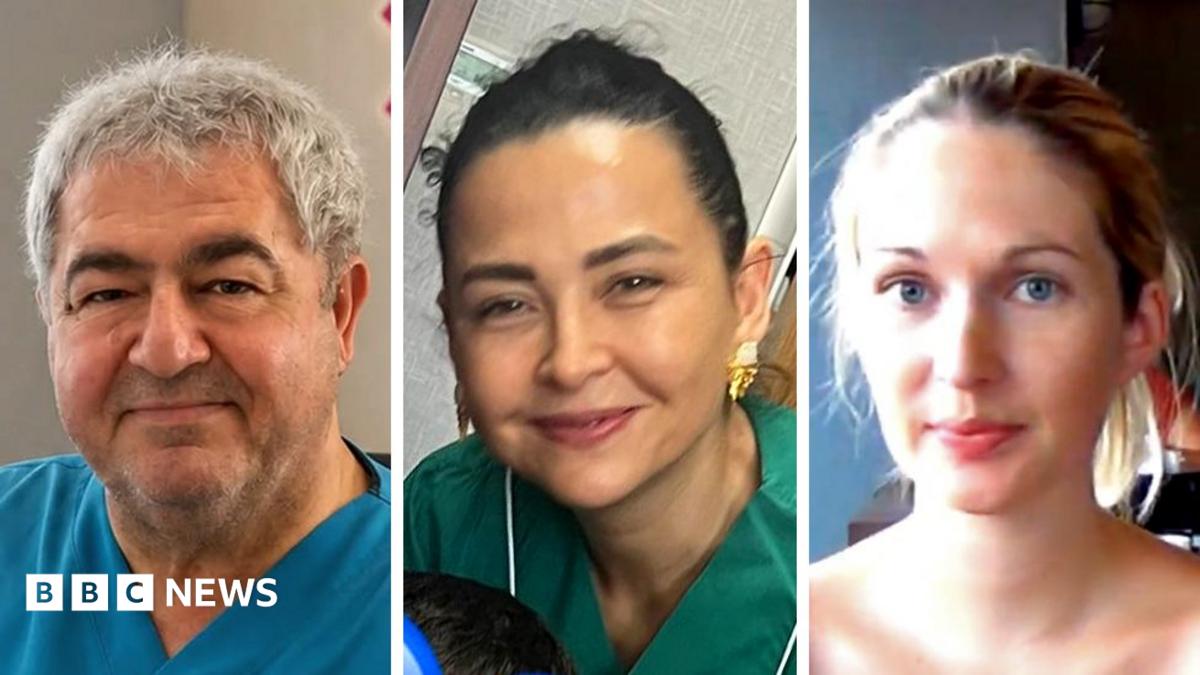
Three individuals from Dogus IVF Centre are central to the allegations: Dr. Sevket Alpturk, the clinic’s owner and "responsible manager"; Dr. Firdevs Uguz Tip, a treating doctor; and Julie Hodson, the patient co-ordinator. Parents suspect these staff members of misleading them. While Dr. Firdevs denies any wrongdoing, neither Dr. Alpturk nor Hodson have responded to the BBC’s inquiries. Significantly, the world’s largest sperm bank, Cryos International, revealed it blacklisted Dogus clinic in 2016 due to concerns about unfulfilled sperm orders. Following the latest findings, Cryos has also suspended its dealings with Dr. Firdevs and her current clinic, Miracle IVF, pending the outcome of the Northern Cypriot government’s investigation.
Fertility experts consulted by the BBC expressed profound shock at the scope of the IVF donor scandal, noting that accidental donor mix-ups are exceedingly rare. For such errors to occur repeatedly, affecting dozens of families, points unequivocally to either "negligence" or "deception." The British Fertility Society, a recognised body in the field, characterised it as a "systemic problem which transcends one rogue doctor and one rogue clinic." While the Northern Cypriot Ministry of Health has stated it launched an official investigation, it has yet to provide further information despite repeated requests.
The emotional and ethical repercussions for donor-conceived individuals are immense. Laura Bridgens, founder of Donor Conceived UK, powerfully articulated the stakes: "It’s a fundamental human right for a donor-conceived person to know the truth about their origins." The lack of clarity surrounding the true identities and medical histories of these children’s biological parents leaves an indelible mark. While Rachel emphasizes her unwavering love for Jonah, she mourns the loss of certainty and choice for her son.
The full extent of culpability remains elusive, with accusations and denials echoing across the parties involved. However, for the many families caught in this devastating web, the immediate priority is understanding the truth about their children’s heritage and ensuring such alleged deceptions are prevented in the future. For those seeking information and support regarding infertility or donor conception, valuable resources are available via the BBC Action Line.