
Quebec doctors call for inquest after five physician suicides in five months
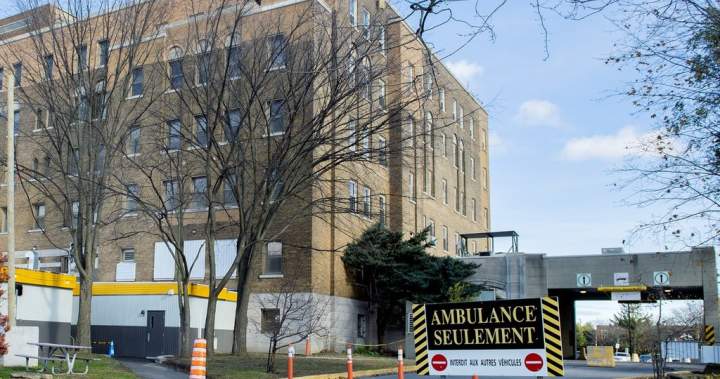
In a powerful and somber development that has sent shockwaves through the medical community, more than 1,500 Quebec physicians are urgently calling for a coroner’s inquest. This collective action comes in the wake of five physician suicides within the province over a mere five-month span, highlighting an escalating crisis of mental health and professional burnout. The signatories sent an formal appeal to Quebec’s chief coroner on September 18, seeking a deep dive into the systemic pressures driving these tragic losses.
The medical profession is often characterized by unwavering stoicism, yet these recent events expose a fragile reality hidden behind hospital doors. Doctors, tasked with preserving life and managing complex trauma, are increasingly finding themselves without a safety net. The letter submitted by the clinicians underscores a critical barrier: the fear of professional repercussions. Many medical practitioners are hesitant to seek help for their own mental struggles, fearing that disclosing vulnerability could jeopardize their licenses or standing within their institutions.
The Growing Call for a Coroner’s Inquest
As the debate surrounding the mental health of healthcare providers intensifies, the core issue remains the institutional failure to address systemic stress. Dr. Jean-Paul Brutus, a prominent plastic surgeon and a key signatory of the letter, has been vocal about the phenomenon known in Quebec as “doctor-bashing.” He argues that for years, successive provincial governments have scapegoated the medical community for the broader failings of the public health infrastructure. This external pressure, coupled with dwindling resources and mounting administrative burdens, creates an environment that many find impossible to navigate.
The consequences of this strain are not limited to the physicians themselves. As noted by global health perspectives, the psychological well-being of a medical practitioner is inextricably linked to patient outcomes. When the healer is broken, the standard of care inevitably falters. Dr. Brutus emphasized this critical connection, stating, “This isn’t a doctors’ problem. This isn’t a health-care workers’ problem. It’s a public health problem.”
This situation also raises broader questions about administrative transparency and accountability within the province. Similar discussions regarding public transparency and systemic issues are currently being monitored in other sectors, such as in reports concerning sensitive data breaches, where administrative failure carries heavy societal consequences. Just as those breaches require thorough investigation, these medical professionals demand that the underlying causes of their colleagues’ deaths be brought into the light.
The coroner’s office has confirmed they are conducting an in-depth analysis of the petition, though they have yet to commit to a public inquiry. Meanwhile, organizations are reminding the public that this crisis is not just a statistical anomaly but a tragedy requiring immediate, structural attention. For those working within the medical system, the message is clear: the status quo is lethal. The upcoming decision on the coroner’s inquest will likely serve as a turning point for how the province supports the people tasked with saving lives.
If you or someone you know is thinking about suicide, support is available 24-7 by calling or texting 988, Canada’s national suicide prevention helpline.