
Japan football association official resigns after AFC aligns with Infantino
Introduction & Key Takeaways
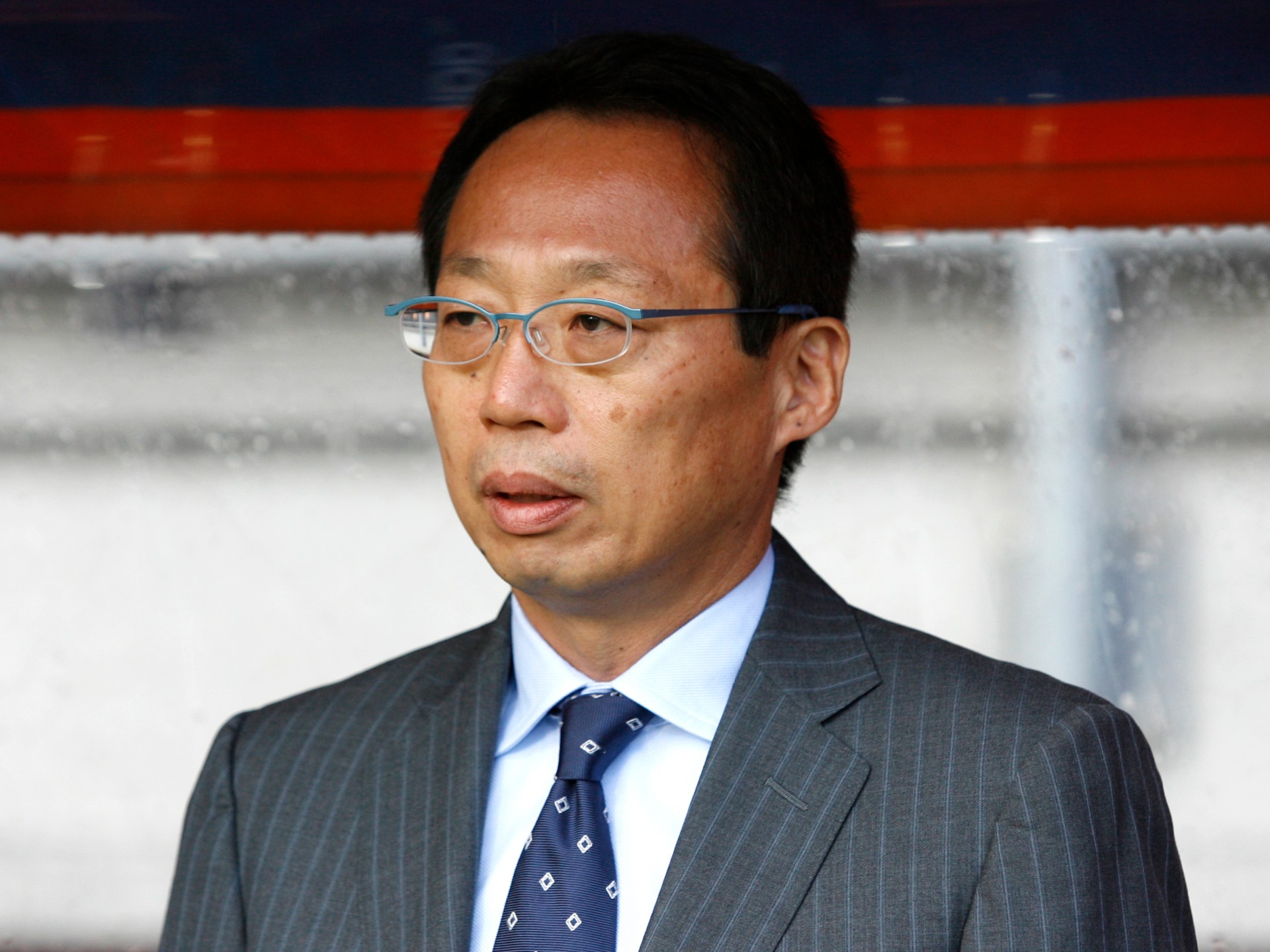
The global football landscape is currently grappling with a significant administrative crisis following the resignation of Takeshi Okada, the vice president of the Japan Football Association (JFA). Okada, a former national team head coach, stepped down to protest the recent alignment of the Asian Football Confederation (AFC) with FIFA President Gianni Infantino regarding his controversial re-election bid. This move by Okada highlights a deepening rift within the sport’s governance, signaling that institutional politics are increasingly clashing with the moral convictions of legendary figures within the game.
- Takeshi Okada has resigned from his post, citing a fundamental conflict between his values and the current direction of FIFA leadership.
- The resignation follows the Asian Football Confederation’s decision to support Gianni Infantino despite ongoing controversies.
- The conflict stems from failed proposals to sell stakes in the World Cup to private investors, a plan that previously sparked global condemnation.
- Okada remains a vocal advocate for the integrity of sport, contrasting his stance with the pragmatic political maneuvering seen across various confederations.
Background & Context
To understand the magnitude of the Takeshi Okada resignation, one must examine the volatility currently defining FIFA governance. Gianni Infantino has served as the head of the global football body since 2016, a tenure marked by both significant expansion and intense scrutiny. Earlier this year, Infantino faced a backlash after proposing a plan to privatize sections of the World Cup, a move that critics argued would commodify the world’s most beloved sporting event. This proposal forced an unusual alliance between UEFA, the AFC, and CONCACAF, which collectively stated that football belongs to no single individual.
However, the unity of these organizations has proven fragile. In late October, Sheikh Salman bin Ibrahim al-Khalifa, president of the AFC, unexpectedly endorsed Infantino for a fourth term during a meeting in Tokyo. For observers of regional power dynamics, this pivot from condemnation to cooperation was a stark reversal. For Okada, it represented an unacceptable compromise that he could not reconcile with his lifelong career in professional sports.
Root Cause & Deep Dive Analysis
The root of this crisis lies in the tension between fiscal expansionism and sporting heritage. FIFA has been under immense pressure to increase revenues, yet the pursuit of private capital often ignores the social value that Takeshi Okada has championed throughout his distinguished career. While the JFA acknowledged the practical necessity of maintaining strong ties with the AFC, Okada determined that the institutional response to recent controversies was irredeemable.
This situation echoes broader governance struggles, similar to the complex interplay of power and reputation seen in political challenges in other sectors. The resignation is not merely about one man leaving office, but about the growing discomfort among football purists as the sport leans heavily into corporate-led governance models. By stepping down, Okada is attempting to draw a line in the sand, questioning whether the ends (economic stability) justify the means (the erosion of transparent governance).
Strategic Implications & Future Impact
The impact of this resignation will likely reverberate well beyond Japan. By framing his departure around personal integrity, Okada has ignited a conversation about accountability within the AFC. Other member associations may now feel emboldened to question the consensus-driven politics that currently prioritize loyalty to the FIFA presidency over individual member state interests. Globally, the international governing body must now reckon with a public perception problem, as the gap between leadership decisions and the values of high-profile sporting legends continues to widen.
The upcoming election in March will be a litmus test for Infantino’s influence. If the AFC bloc remains shaky, we could see a more contested race than initially anticipated. Furthermore, Takeshi Okada has set a high bar for accountability; should other officials follow his lead, the political cost of supporting contentious policies could rise significantly for those in power.
Conclusion & What to Watch Next
The resignation of Takeshi Okada serves as a poignant reminder that sports organizations are ultimately defined by the principles of those who lead them. As we move closer to the FIFA election, the primary question remains whether other stakeholders will choose the path of pragmatism or the path of protest. Observers should watch for potential shifts in the voting patterns of other Asian federations, as the internal debate over football’s future identity shows no signs of cooling down.