
Kenya investigating unexpected deaths of 15 elephants in national park
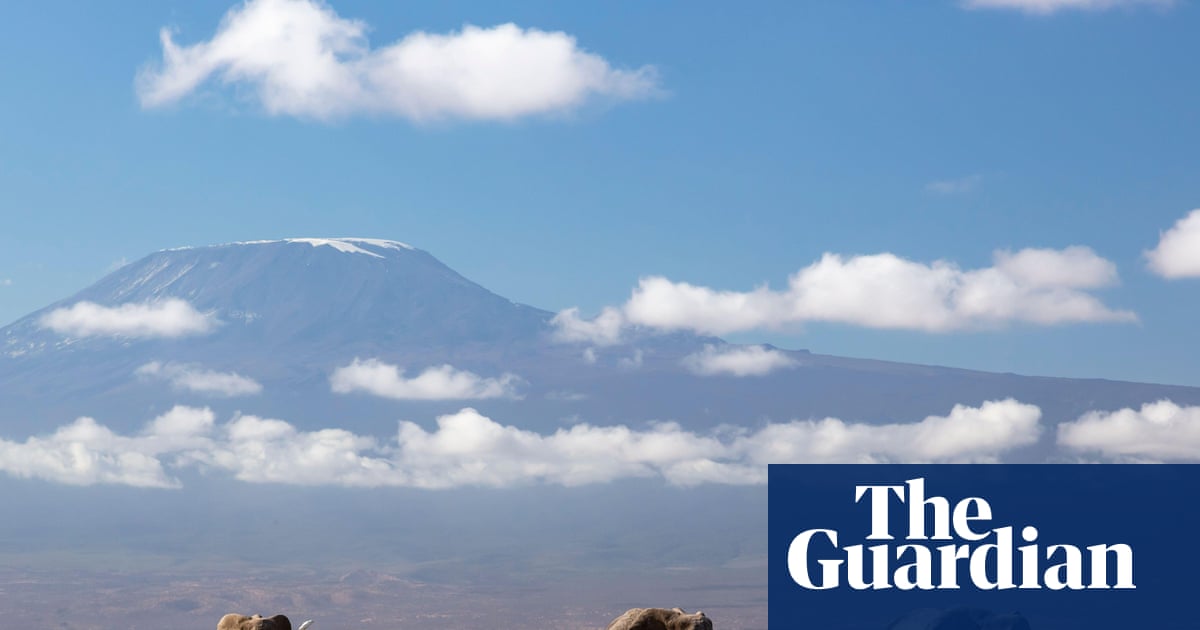
A grim shadow has fallen over Kenya’s iconic Amboseli National Park, a land famed for its majestic elephant herds roaming beneath the imposing gaze of Mount Kilimanjaro. Authorities have launched a comprehensive probe into the inexplicable elephant deaths Kenya, a heartbreaking loss of 15 of these magnificent creatures within a mere month.
The Kenya Wildlife Service (KWS) disclosed disturbing details: ten elephants, primarily females and their young calves, exhibited signs of partial paralysis, succumbing rapidly, often within two days. Five other carcasses, tragically, were too decomposed or scavenged to offer immediate clues. These fatalities, concentrated within the Kimana sanctuary and Kuku ranch areas bordering the main park, paint a worrying picture for the local ecosystem.
Unraveling the Mystery of Elephant Deaths Kenya
Investigators face a perplexing challenge. Preliminary tests conducted at the University of Nairobi’s laboratory hinted at a “potential toxic substance” as a culprit. Yet, parallel analyses by a government lab found no evidence of known toxins. This contradictory evidence only deepens the enigma, prompting KWS to push for further, more exhaustive examinations. The focus has widened, now encompassing comprehensive environmental investigations, meticulously scrutinizing water sources and other potential contaminants across the affected zones to pinpoint any common exposure.
Such incidents are not entirely unprecedented in Kenya, a nation that has grappled with elephant poisonings fueled by poaching and the ever-present tension of human-wildlife conflict. Nevertheless, the current scale and nature of these elephant deaths Kenya demand urgent answers. Amidst the alarm, officials have moved to reassure the public: there is currently no indication that this mysterious affliction poses any transmissible risk to humans. Amboseli, home to an estimated 2,000 elephants, remains a vital sanctuary for these gentle giants, and its future hinges on swiftly understanding and mitigating this grave threat to its cherished inhabitants. For more information on global wildlife conservation efforts, resources are widely available.