
Mexico’s Sinaloa state governor resigns amid US drug trafficking charges
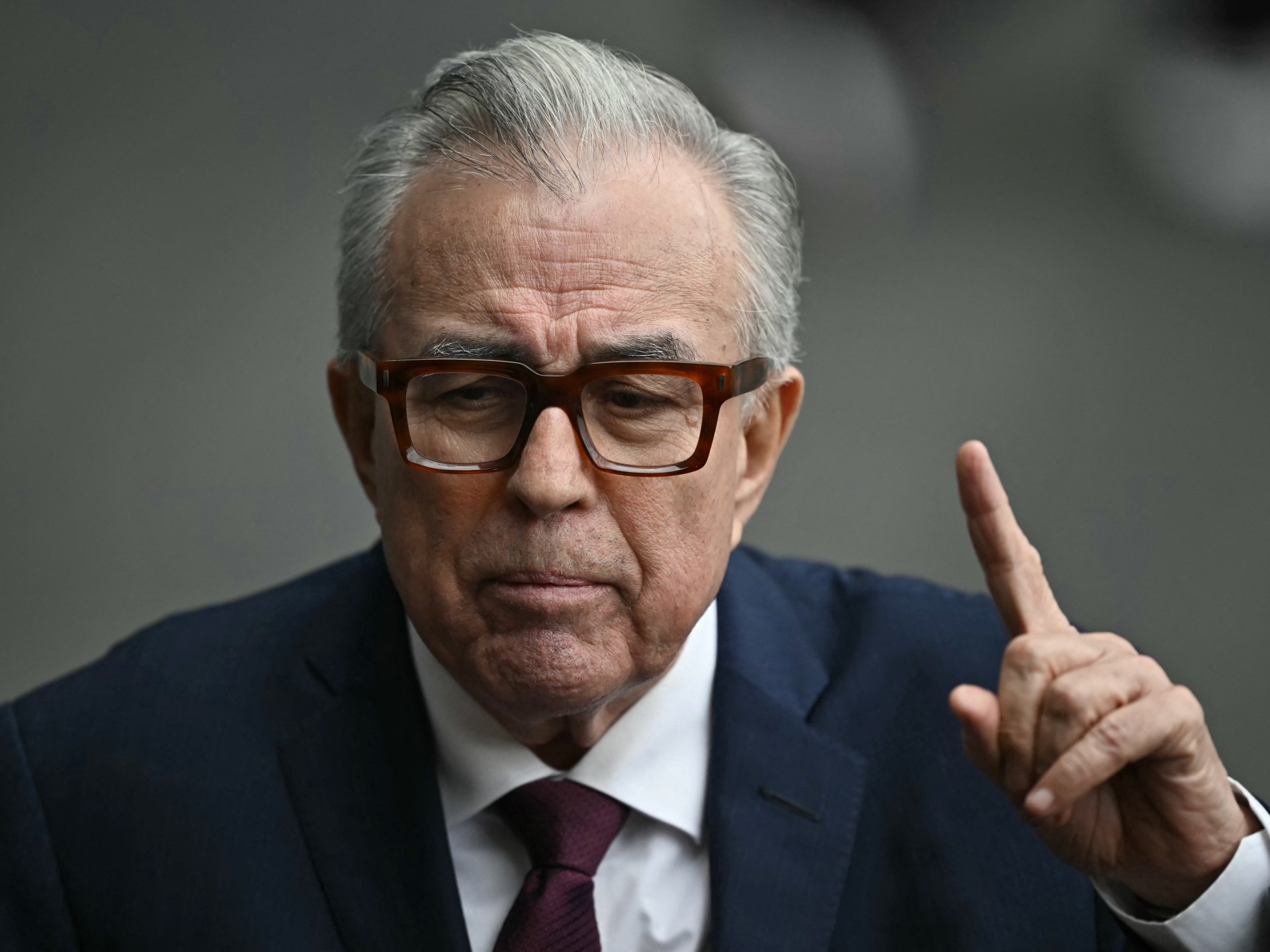
A seismic political tremor has rocked Mexico, as the Sinaloa Governor, Rubén Rocha Moya, dramatically stepped down just days after being indicted by United States authorities on explosive drug trafficking charges. The allegations, far-reaching and deeply unsettling, accuse him and other officials of directly aiding the infamous Sinaloa drug cartel. This abrupt departure ignites a fresh firestorm in already strained bilateral relations between Washington and Mexico City.
The Charges Against Sinaloa Governor Moya
In a succinct video address late Friday, Rocha Moya vehemently rejected any wrongdoing. Nevertheless, he declared a “temporary leave” to mount his defense against the severe US claims. The unsealed indictment, a document of staggering accusations, alleges that Rocha Moya—alongside nine other public servants—facilitated the Sinaloa cartel’s illicit operations, purportedly in exchange for political backing and substantial bribes. This alleged support extended to cartel members reportedly kidnapping and threatening opposition candidates during the 2021 election, even pilfering ballots cast against Moya. Juan de Dios Gamez Mendivil, the mayor of Culiacán, Sinaloa’s capital, also announced his Saturday resignation, similarly refuting the charges.
Mexican President Claudia Sheinbaum, a fellow member of Rocha Moya’s progressive Morena party, has staunchly pushed back against the US allegations. Navigating a particularly sensitive period with the administration of US President Donald Trump, Sheinbaum declared on Thursday that her government had received no concrete evidence supporting the claims. “My position on these events is as follows: truth, justice and the defence of sovereignty,” she asserted, suggesting the indictment’s information was insufficient. She reiterated that Mexico would not “shield anyone who has committed a crime,” but without “clear and irrefutable evidence,” such charges appear politically motivated.
This high-stakes legal drama unfolds against a backdrop of increasingly fraught US-Mexico relations. Since assuming office last year, the Trump administration has intensified pressure on Mexico to curb both migration and drug smuggling. Washington has deployed various tactics, including tariffs, as leverage. Furthermore, the US State Department’s controversial labelling of several Latin American drug cartels as “Foreign Terrorist Organisations” signals a more militaristic stance in the region. While some experts challenge the administration’s premise that these criminal groups aim to destabilize the US, Sheinbaum has diligently balanced increased cartel cooperation with a firm commitment to Mexican sovereignty, unequivocally opposing any US military intervention on her nation’s soil.
Experts view the charging of elected Mexican officials as a significant escalation. Vanda Felbab-Brown, a prominent international security analyst at the Brookings Institution in Washington, DC, described this approach as a “very big step, almost a ‘nuclear option’.” She ominously predicted a wave of further US indictments to come.