
Mystery over source of Ebola infection in Nigeria fuels concern about spread of virus
Introduction & Key Takeaways
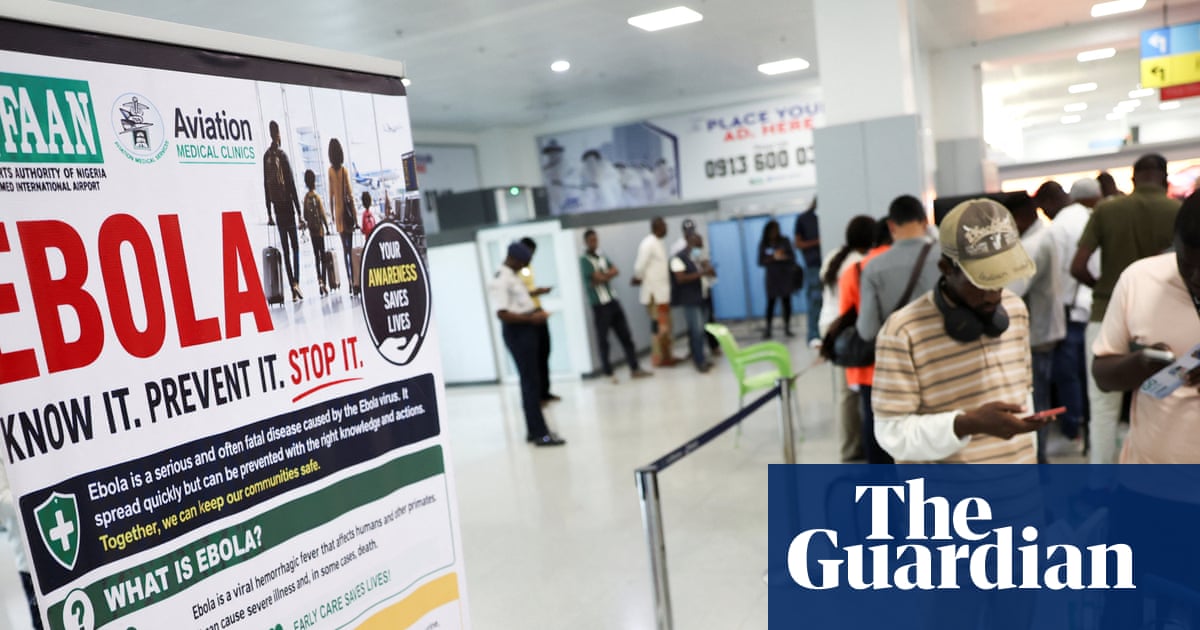
The emergence of a new Ebola case in Nigeria has triggered significant alarm among global health authorities. As the virus reaches a fourth African nation, the mystery surrounding the patient’s exposure has highlighted profound gaps in cross-border health surveillance and data transparency. Understanding the Ebola spread dynamics is critical as the continent navigates this complex epidemiological challenge. This analysis explores the shifting narratives regarding patient transmission, the inherent risks of regional air travel, and the geopolitical hurdles hindering a unified containment strategy.
- Confirmed case in Nigeria marks the first infection in over a decade for the country.
- Conflicting reports regarding travel history expose systemic failures in cross-border communication.
- The current outbreak involves the rare Bundibugyo virus, which lacks widely available vaccines.
- Global health experts are questioning the validity of transmission theories involving busy international transit hubs.
Background & Context: What Just Happened?
In mid-May, the Democratic Republic of Congo (DRC) reported an outbreak that has since metastasized across borders. While Uganda was initially declared Ebola-free in August, the recent discovery of a patient in Nigeria, the wife of a Swiss diplomat, has shattered the illusion of containment. The patient’s specific history has become a flashpoint for international debate. Official statements from Switzerland contradict earlier claims from Ugandan authorities, creating a dangerous information void. For those interested in the broader context of regional stability and health crises, consider reviewing the impact of conflict on healthcare infrastructure in neighboring territories.
Root Cause & Deep Dive Analysis: Why Did This Happen?
The core of the issue lies in the epidemiological uncertainty surrounding the Ebola spread. Health officials at the Africa Centres for Disease Control and Prevention are currently testing the theory that the patient encountered the virus while transiting through Entebbe airport. However, skeptics like Dutch virologist Marion Koopmans note that incidental contact in large, crowded airport terminals is a statistically improbable explanation for infection. This highlights a deeper problem: the lack of genomic tracking and real-time contact tracing across borders. When sovereign nations prioritize optics over medical data transparency, the entire continent becomes vulnerable to rapid viral dissemination.
Strategic Implications & Future Impact
The geopolitical ramifications are stark. A resurgence of a lethal virus in high-traffic regions such as Nigeria threatens not only public health but also the delicate economic integration efforts within the African Union. If major trade and travel hubs are perceived as unreliable or porous regarding health security, foreign investment and diplomatic mobility will likely suffer. Furthermore, the reliance on outdated or fragmented data management systems continues to hamper the WHO’s ability to predict the next wave of infection. For additional insight into how shifting political tides can influence regional stability, read more about how the balance of power is evolving in emerging economies and how similar dynamics might influence African health policy.
Conclusion & What to Watch Next
The Ebola spread remains a persistent threat that requires more than just local, siloed responses. The international community must prioritize the funding of rapid-response genomic sequencing labs and standardized cross-border medical intelligence. As contact-tracing continues in Abuja, the world must watch the collaboration (or lack thereof) between the Nigerian health ministry and the WHO. Future updates should focus on the Bundibugyo virus mutation rates and whether any localized vaccination programs can be fast-tracked to serve as a buffer in vulnerable urban populations. Ignoring these warning signs would be a historic misstep in the ongoing fight against viral pandemic risks.