
‘Pink blooms from among the rubble’: Battling breast cancer in Gaza
Introduction & Key Takeaways
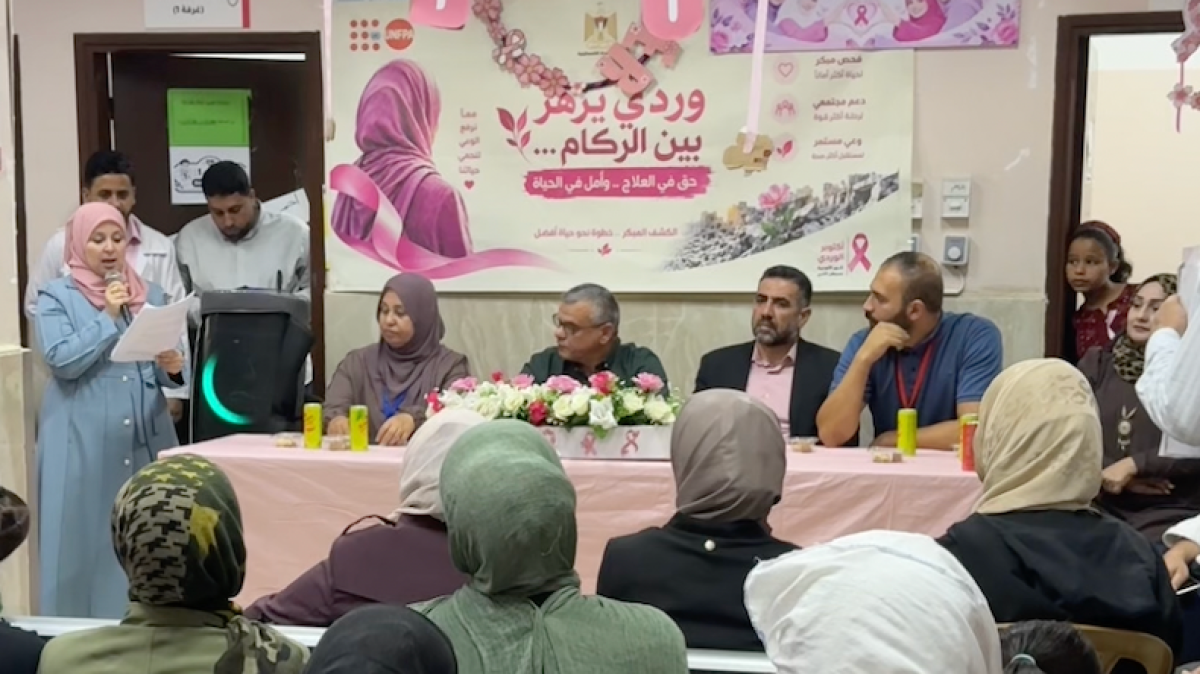
The humanitarian situation in Gaza has reached a point of profound distress, touching every aspect of daily life, including the management of chronic illnesses. The campaign titled Breast Cancer in Gaza, referred to locally as ‘pink blooms from among the rubble,’ highlights the extreme challenges faced by women attempting to secure life saving medical treatment during ongoing conflict. As infrastructure collapses and medical supplies dwindle, the stories of individual patients serve as a poignant reflection of a broader systemic failure in health delivery.
- Cancer patients in Gaza struggle with a severe lack of diagnostic equipment and chemotherapy drugs.
- The initiative provides community support and education despite active military operations.
- Access to life saving procedures is often delayed or rendered impossible by restricted hospital access, a persistent theme in current regional reports, as seen in previous investigations into hospital vulnerabilities.
Background & Context
What just happened in the region is a collision of humanitarian necessity and military escalation. Women living with breast cancer represent a vulnerable subset of a population already dealing with displacement, malnutrition, and a destroyed public health system. The campaign ‘pink blooms from among the rubble’ is an act of defiance, designed to keep the focus on preventative care and psychological support even when the physical structures of hospitals are threatened. This effort is not merely about medical outcomes, it is about maintaining human dignity in the most inhumane conditions imaginable.
Root Cause & Deep Dive Analysis
Why did this crisis reach such a critical peak? The answer lies in the total degradation of the civilian infrastructure. Historically, Gaza relied on cross border referrals for complex cancer treatments, including specialized surgery and radiotherapy. With borders heavily regulated and, at times, entirely closed, these referrals have become sporadic. Furthermore, international health organizations have reported that the lack of electrical power and clean water complicates basic sanitation for post operative care. The psychological toll of the conflict exacerbates the physiological markers of the disease, creating a cycle where patients are unable to maintain the rigorous medication schedules required for remission.
Strategic Implications & Future Impact
The international community remains divided on the long term strategic implications of this medical crisis. While humanitarian aid is theoretically permitted, the practical delivery is hindered by the instability of the environment. Experts suggest that the focus on Breast Cancer in Gaza is a microcosm of the wider collapse of human security in the Middle East. If international observers and state actors do not prioritize medical neutrality, the mortality rates for non infectious diseases will rise significantly, leaving behind a healthcare vacuum that could persist for decades. As we observe these developments, it is essential to consider the geopolitical framing of the conflict and its impact on domestic politics, a topic often explored in broader analyses such as the shifts in international relations.
Conclusion & What to Watch Next
The resilience of Hiba Musbah and other women in Gaza provides a harrowing look at the cost of current regional tensions. Moving forward, observers must monitor whether humanitarian corridors for specialized oncology services can be re established. The success of campaigns like ‘pink blooms from among the rubble’ depends heavily on the survival of local clinics and the availability of basic medical supplies. For many, the road to treatment is blocked by the chaos of war, making the future of oncology care in Gaza a stark test of global moral resolve.