
Nepal PM Balen Shah’s First Foreign Visit To Be India, Likely Before Year-End: Report
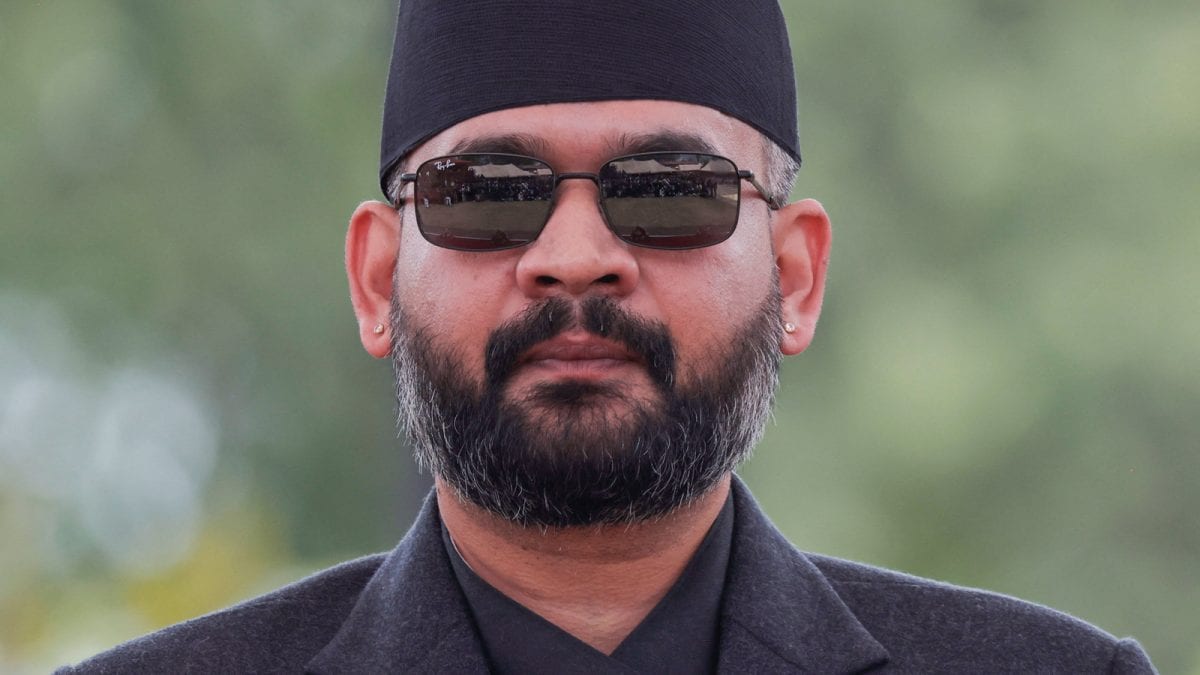
Kathmandu is abuzz with diplomatic anticipation as Nepal’s Prime Minister Balendra “Balen” Shah is set to embark on his inaugural foreign trip, with all indications pointing towards a significant Nepal PM visit to India before the close of the year. This crucial diplomatic engagement, which would mark Shah’s first overseas venture since assuming office in March, underscores the profound and multifaceted relationship between these two South Asian neighbors.
The confirmation came from none other than Nepal’s Finance Minister, Swarnim Wagle, during a recent NDTV summit held in Kathmandu. While the precise dates for the high-profile visit are still being meticulously ironed out, Minister Wagle exuded confidence, stating unequivocally that India would indeed be the maiden international destination for Prime Minister Shah. “We’ve begun to discuss the Prime Minister’s visits abroad. I am pretty confident that his first visit abroad will be to India, and the dates will need to be worked out, but I am very hopeful that this will happen before the end of the year,” Wagle articulated, signaling a strong intent from the Nepali leadership to prioritize ties with New Delhi.
Strengthening Bonds Amidst Calamity: The Impetus for the Nepal PM Visit
This announcement arrives at a profoundly poignant moment for Nepal, a nation grappling with the harrowing aftermath of devastating flash floods that have ravaged communities along the Nepal-Tibet border. The scale of the disaster is staggering: hundreds have tragically perished, with preliminary reports indicating at least 389 fatalities, and thousands more remain unaccounted for. Rescue teams continue their arduous search for survivors amidst a landscape scarred by torrents of mud, debris, and raging waters that have obliterated villages, vital infrastructure, and bridges, disrupting countless lives and livelihoods. The recent catastrophic events, including those linked to a collapsed glacier likely causing devastating Nepal-Tibet floods, have only amplified the urgency for strong regional cooperation.
In this period of immense national sorrow and struggle, India’s response has been both swift and substantial, reaffirming the deep-seated humanitarian and diplomatic bonds shared by the two countries. India was among the very first nations to extend emergency relief, deploying a C-130J aircraft to deliver an initial consignment of 10 tonnes of Humanitarian Assistance and Disaster Relief (HADR) supplies. This foundational support was soon followed by another significant airlift of 37.5 tonnes, bringing India’s total assistance to a commendable 47.5 tonnes of aid.
Prime Minister Shah, through his office, publicly expressed profound gratitude to Indian Prime Minister Narendra Modi for this invaluable support. A statement released on X (formerly Twitter) conveyed Kathmandu’s deep appreciation for Modi’s “warm words of solidarity” and “generous offer of assistance.” This reciprocal exchange of goodwill and urgent aid vividly illustrates the practical application of their enduring friendship, a relationship characterized by shared cultural heritage, open borders, and intricate economic interdependencies, as extensively documented by various geopolitical analyses of bilateral relations in the subcontinent.
A New Chapter in Bilateral Diplomacy
The impending Nepal PM visit to India holds immense symbolic and practical significance. Beyond the immediate focus on flood relief and long-term rehabilitation strategies, the visit is expected to set a constructive tone for Prime Minister Shah’s tenure, emphasizing a robust partnership with India. Discussions will likely encompass a wide array of bilateral issues. These could include enhancing cross-border connectivity through infrastructure projects, bolstering trade and investment opportunities, and exploring avenues for greater cooperation in sectors like energy, particularly hydropower, which holds immense potential for both nations.
Furthermore, given the increasing geopolitical complexities in the region, the leaders might delve into matters of regional security and stability. Coordinating efforts on disaster preparedness, sharing intelligence, and fostering greater people-to-people connections could also feature prominently on the agenda. The tradition of Nepali Prime Ministers making India their first foreign port of call underscores the unparalleled importance of this relationship, signaling a continuity in foreign policy and a commitment to nurturing mutual interests. As the two nations navigate the challenges of natural disasters and economic development, this high-level engagement promises to forge stronger ties and pave the way for collaborative solutions.
The global community often looks to these South Asian powerhouses for leadership in regional affairs. The successful orchestration of the Nepal PM visit, especially given the current circumstances, would not only solidify the bond between Kathmandu and New Delhi but also project an image of regional resilience and cooperation on the international stage. The coming months will reveal the tangible outcomes of this much-anticipated diplomatic foray, but the intent to deepen solidarity is unequivocally clear.