
‘No role for UNRWA in Gaza’: Does the Board of Peace toe Israeli lines?
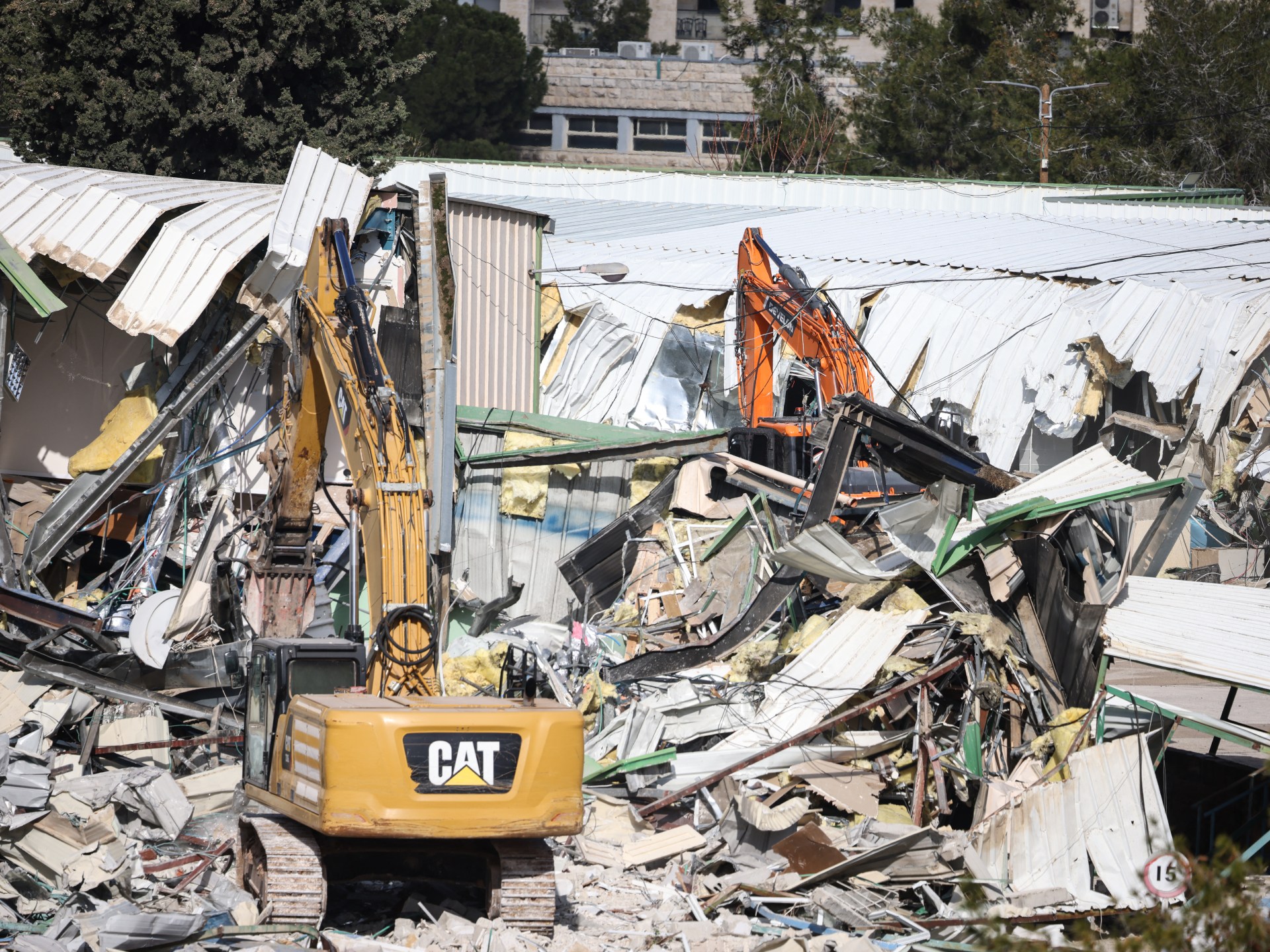
The United States-led Board of Peace (BoP) has officially announced that the United Nations agency for Palestinian refugees (UNRWA) will have no formal role in the reconstruction of Gaza. This decision marks a significant geopolitical shift, effectively mirroring the long-held Israeli demand to sideline the organization. For millions of Palestinians who rely on the agency for basic survival, the Board of Peace policy represents a precarious turn in an already devastating humanitarian landscape.
As the international community watches, the Board of Peace unveiled a comprehensive 66-project reconstruction blueprint on the sidelines of the UN General Assembly. With a proposed $2.4 billion budget, the initiative seeks to initiate recovery efforts in the territory. However, the conspicuous absence of UNRWA from this partnership list has triggered widespread alarm. BoP officials argue that they will only collaborate with what they describe as trusted partners, claiming that UNRWA fails to meet the standards required for a post-conflict, deradicalized environment.
The Conflict Over the Board of Peace Policy
This exclusion is not merely bureaucratic; it carries immense political weight. For decades, UNRWA has served as the primary pillar for education, healthcare, and sanitation across the region. Former UNRWA chief Philippe Lazzarini has warned that removing the agency at this juncture will have a profoundly devastating effect on the population. Critics and aid observers argue that such moves appear to align the board with the political objectives of the Israeli government, which has long campaigned for the agency to be dismantled, as explored in detailed reports on governmental policy and accountability.
The tension extends beyond the board’s rhetoric. Hamas has denounced the decision, framing it as a direct alignment with Zionist objectives designed to undermine the Palestinian right of return. Meanwhile, the actual conditions on the ground remain dire. According to official international records, nearly 84 percent of Gaza’s population remains in displacement sites or damaged shelters, with reconstruction needs estimated at a staggering $71.5 billion. The disconnect between these grand recovery blueprints and the grim reality of daily life for displaced families remains the focal point of the ongoing crisis.
Despite the ongoing struggle for shelter and stability in Gaza, the path forward appears increasingly narrow. While the Board of Peace insists that its strategy is intended to ensure aid reaches the most vulnerable in a secure manner, the removal of an organization with 11,000 employees on the ground poses logistical questions that experts fear will lead to further instability. With the ceasefire terms remaining largely stalled, the future of the territory hinges on whether this new reconstruction framework can actually function without the established expertise of the UN agency it intends to bypass.