
Collision of two trains in Egypt kills at least seven
Introduction & Key Takeaways
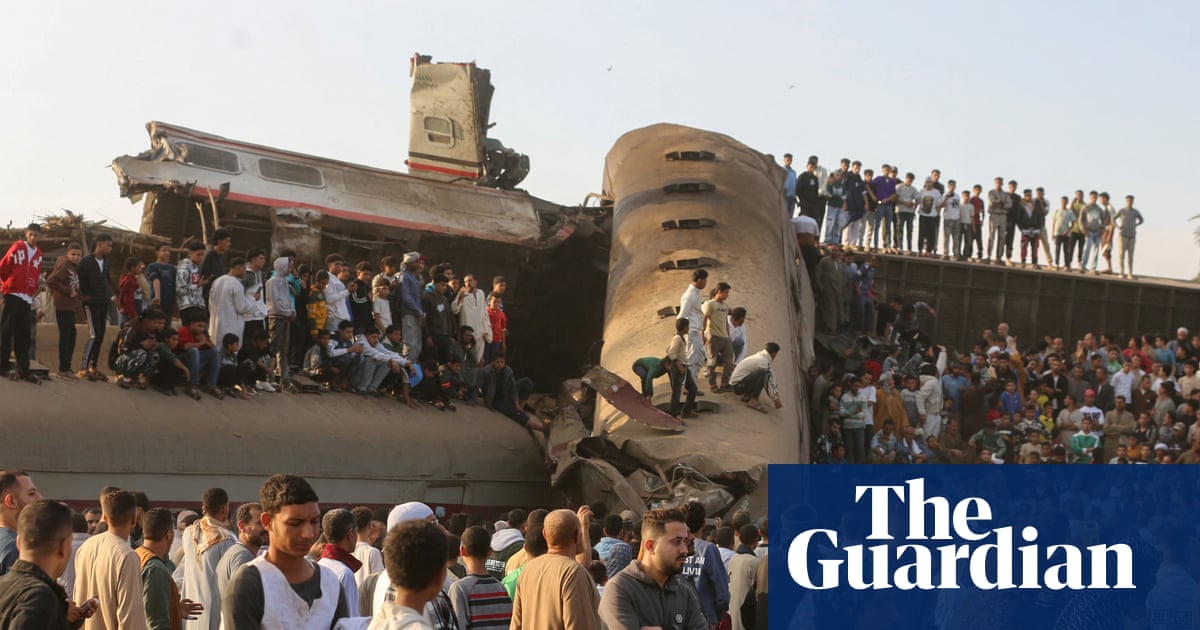
The recent Egypt train collision in the al-Ayyat district has sent shockwaves through the nation, once again highlighting the volatile state of infrastructure in the region. With seven lives lost and over one hundred individuals injured, the tragedy serves as a grim reminder of the persistent systemic failures that plague public transportation in the country. This Egypt train collision acts as a catalyst for renewed calls to address long-standing issues within the national railway network.
- Seven confirmed fatalities and extensive injuries reported in the Giza province.
- The incident involved a moving train crashing into a stationary vessel on the same track.
- Government officials have launched an immediate probe into the administrative and technical failures.
- Infrastructure modernization remains a critical but unfulfilled promise for millions of daily commuters.
Background & Context (What Just Happened?)
The incident occurred on a quiet Sunday in al-Ayyat, a district located approximately 30 miles south of Cairo. Reports indicate that a passenger train destined for the south-western Fayoum province collided with the rear section of another train that was stationary, bound for Aswan. The impact caused significant structural damage, trapping passengers within the mangled carriages and necessitating an urgent, complex rescue operation. Local residents, acting as first responders, rushed to the site to assist, pulling victims from the debris before ambulances arrived to transport the injured to local hospitals. For more context on regional transportation safety, you may review historical data regarding previous transit incidents in the area.
Root Cause & Deep Dive Analysis (Why Did This Happen?)
To understand why this Egypt train collision occurred, one must look beyond the immediate operational error. Egypt has long struggled with a railway system defined by historical mismanagement, outdated signaling technology, and a chronic lack of preventive maintenance. These systemic ailments are not new, yet the frequency of such accidents suggests that modernization efforts have been either insufficient or poorly implemented. Experts suggest that the reliance on aging infrastructure, combined with a workforce often stretched thin by institutional gaps, creates a recipe for disaster. The government has, in recent years, announced ambitious plans to overhaul the sector, but the reality on the ground often fails to meet the safety standards expected by international benchmarks. You can read more about the structural development of the network to better understand these ongoing challenges.
Strategic Implications & Future Impact (What Does This Mean Globally?)
The political cost of such events is substantial. President Abdel Fatah al-Sisi has immediately ordered a comprehensive investigation, a standard response intended to soothe public outcry. However, the recurring nature of these accidents—including a significant freight collision in the same district last September—threatens to undermine public trust in government modernization programs. Economically, a reliable rail network is essential for the movement of goods and people across the Nile Valley. Frequent accidents disrupt supply chains and force the government to divert funds toward emergency relief and litigation instead of sustained capital investment. As the nation aims for higher growth, the demand for a safe, high-speed, and automated rail system will only become more pressing.
Conclusion & What to Watch Next
The Egypt train collision serves as a final, tragic warning for those tasked with managing the national transit portfolio. Moving forward, observers should look for three specific indicators of change: the release of the official investigative report, the identification of specific personnel responsible for the signaling failure, and the transparency of the next phase of railway upgrades. If the government fails to address the root causes of these recurring crashes, it risks further alienation of the public. Accountability in this case is not just about assigning blame to a driver, but about examining the top-down management failures that have allowed such a legacy of instability to persist in the heart of Egypt.