
Pakistan military reports it killed 74 ‘terrorists’ during raids
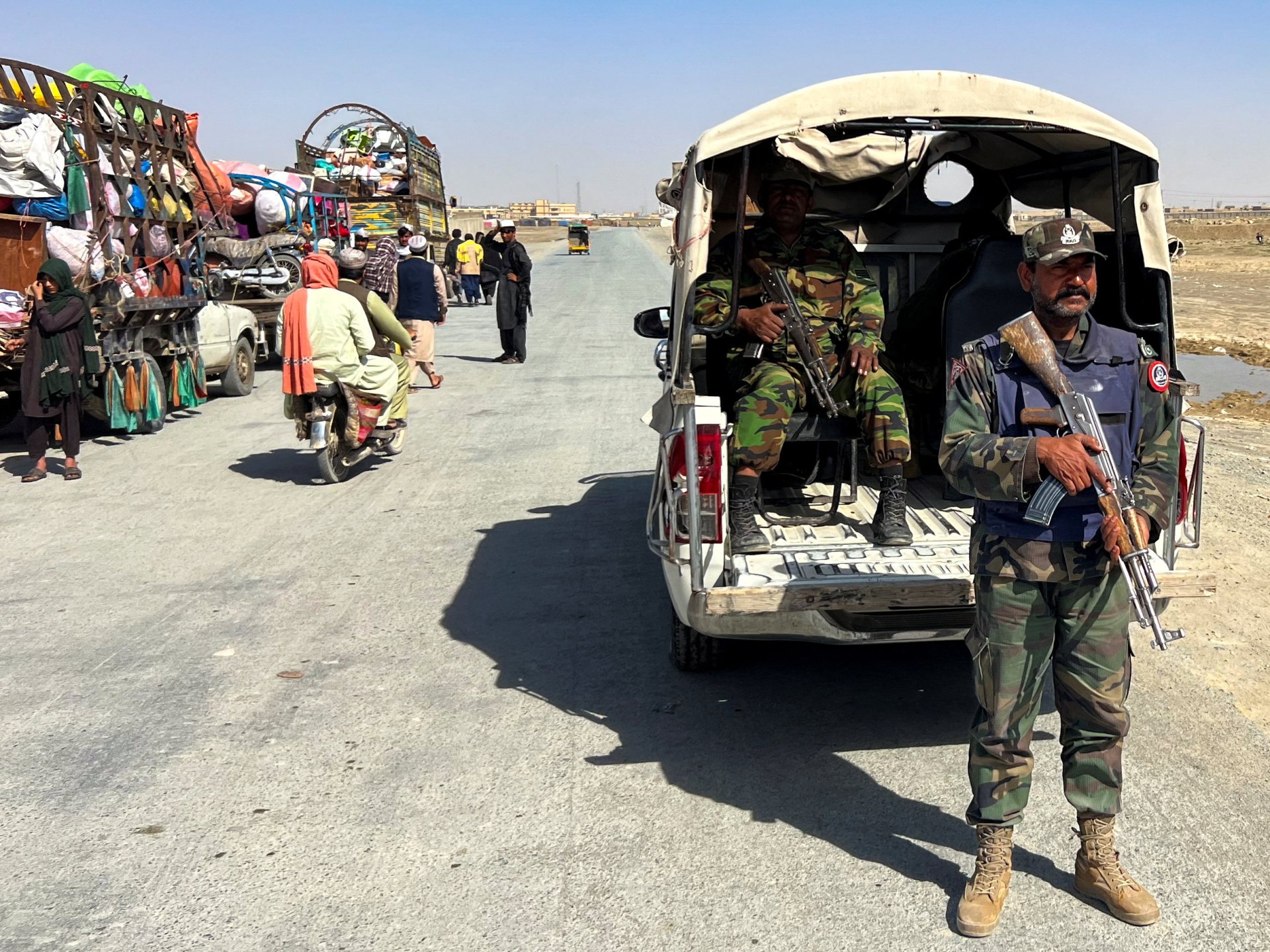
Introduction & Key Takeaways
In a significant escalation of internal security operations, the Pakistan military has reported the deaths of 74 militants during a series of high-intensity raids along its western frontiers. This development highlights the volatile security landscape facing the nation as it grapples with cross-border insurgencies. As Pakistan military raids kill 74 militants, the government emphasizes its resolve to neutralize threats in both the Balochistan and Khyber Pakhtunkhwa provinces.
- The military operations targeted key insurgent strongholds in Balochistan and northern districts, resulting in the recovery of substantial caches of explosives and weapons.
- The conflict involves two primary adversaries, the Balochistan Liberation Army (BLA) in the south and the Tehrik-i-Taliban Pakistan (TTP) in the north.
- These actions occur amid heightening regional tensions, mirroring the instability seen in other conflict-affected nations struggling with infrastructure and security crises.
Background & Context: What Just Happened?
The recent announcement by Pakistan’s military follows a sustained period of militant activity that has pushed the nation to the brink of a localized security crisis. According to official reports, 31 individuals identified by the army as terrorists were neutralized in Balochistan since early November. Simultaneously, operations in the Khyber Pakhtunkhwa province, specifically in Mir Ali and Orakzai, led to the deaths of 43 additional fighters. The intensity of these raids serves as a direct response to a spike in violent ambushes, including a recent deadly attack on police convoys that left several officers dead.
Root Cause & Deep Dive Analysis: Why Did This Happen?
The root causes of this violence are deeply rooted in historical, ethnic, and geopolitical grievances. In the southwestern province of Balochistan, the Balochistan Liberation Army seeks independence, often utilizing guerilla tactics to challenge state sovereignty. Conversely, in the north, the TTP remains a formidable force. Following the resurgence of the Afghan Taliban in 2021, the TTP has found ideological and operational breathing room across the border. Pakistan frequently characterizes these groups as ‘Khawarij’, a strategic label designed to delegitimize the insurgents while simultaneously accusing Afghanistan of providing a sanctuary for these fighters. This blame game has effectively poisoned diplomatic relations, with Pakistan asserting that its neighbors are actively undermining regional stability for tactical gains.
Strategic Implications & Future Impact
The geopolitical ramifications of these Pakistan military raids are profound. The country is effectively fighting a two-front internal war while attempting to navigate a struggling economy. If the security situation continues to deteriorate, it could hinder trade, deter foreign investment, and potentially lead to further humanitarian crises, as witnessed in other regions dealing with localized violence. The reliance on heavy military intervention rather than political dialogue may ensure short-term tactical successes, but it risks fostering further long-term resentment among disenfranchised populations. Internationally, the situation is being watched by major powers, particularly as the US and other nations assess the reliability of the Afghan border administration in preventing global terror exportation.
Conclusion & What to Watch Next
Looking ahead, the effectiveness of these military operations will be measured by the frequency of retaliatory strikes. President Asif Ali Zardari has signaled that the campaign will continue, indicating that the administration is committed to a hardline approach. Observers should monitor the border crossings for signs of increased diplomatic friction and look for potential shifts in the operational capacity of the TTP. Whether these military gains lead to a stable peace or simply cycle the region into further conflict remains the most critical question for the coming months.