A deepening humanitarian nightmare unfolds in the Democratic Republic of Congo as suspected cases of the deadly DR Congo Ebola outbreak surge past 900. This terrifying escalation comes amidst a backdrop of relentless attacks on crucial treatment centers and dire shortages of essential medical supplies, creating an almost insurmountable challenge for health workers.
Congolese authorities, via the ministry of communication, reported a staggering 904 suspected cases and 119 suspected deaths this past Sunday. This grim tally represents a significant leap from previous figures, which stood at over 700 cases and 170 deaths, primarily centered in the troubled Ituri province.
Escalating Challenges for DR Congo Ebola Response
The World Health Organization (WHO) has classified the outbreak’s risk to the DR Congo as “very high.” However, it maintains that the global spread remains low—a small comfort to the communities directly in the pathogen’s crosshairs. Health authorities on the ground are battling not just a virus, but also a fierce tide of skepticism, anger, and violence in a region long plagued by unrest.
Arson attacks have crippled Ebola treatment facilities in the country’s volatile east. Two centers were targeted just last week, revealing profound public anger rooted in years of conflict, the displacement of nearly a million people, governmental failures, and devastating international aid cuts. Such cuts, experts argue, have systematically dismantled health infrastructure in these vulnerable areas. Colin Thomas-Jensen, director of impact at the Aurora Humanitarian Initiative, suggests these assaults are a manifestation of “built-in skepticism and anger” regarding decades of neglect and violence from rebel groups.
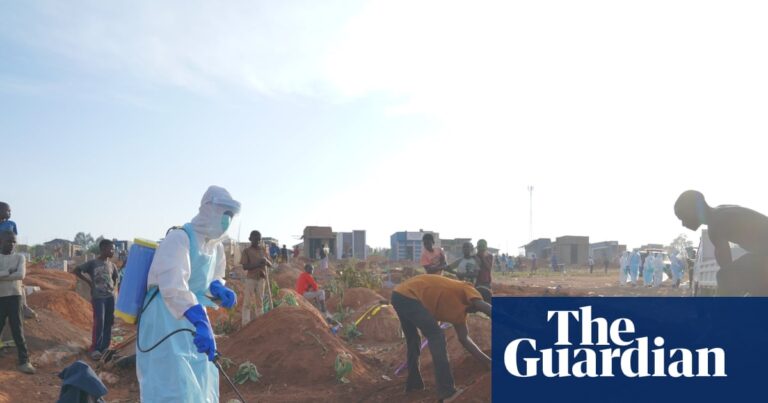
Another flashpoint? The strict, mandatory burial protocols for suspected Ebola victims. Traditional burials, where families prepare bodies and gather en masse, are highly conducive to viral transmission. Authorities, therefore, must intervene to prevent further spread, a measure often met with fierce resistance. One incident saw young men torch an Ebola center in Rwampara, attempting to retrieve a friend’s body and accusing foreign aid groups of deception. In response, authorities in northeastern Congo have now banned funeral wakes and gatherings exceeding 50 individuals; armed soldiers and police now stand guard at aid-worker-led burials.
The eastern Congo region is a mosaic of instability, home to dozens of rebel and militant factions, some with ties to foreign powers or extremist groups like the Islamic State. The M23 rebels, backed by Rwanda, control parts of the area. While Ituri province, the epicenter of the DR Congo Ebola outbreak, is nominally under government control, that grip is tenuous. Groups like the Ugandan Islamist Allied Democratic Forces inflict severe violence on civilian populations.
Prior to this outbreak, Doctors Without Borders had already warned of worsening insecurity in Ituri, which had caused medical professionals to flee, leaving existing health facilities overwhelmed and creating “catastrophic conditions” in some localities. The UN humanitarian office estimates that conflict alone has displaced almost 1 million people from their homes in Ituri.
“This DR Congo Ebola outbreak is unfolding in communities already facing insecurity, displacement and fragile healthcare systems,” remarked Gabriela Arenas, a regional coordinator at the International Federation of Red Cross and Red Crescent Societies. Concerns loom large that the disease could easily infiltrate the sprawling displacement camps near Bunia, where initial cases were identified.
The situation is further exacerbated by international aid reductions. Last year’s cuts by the US and other affluent nations proved devastating, particularly for eastern Congo, a region grappling with multiple crises. Thomas McHale, public health director at Physicians for Human Rights, noted these reductions “reduced the capacity to detect and respond to infectious disease outbreaks.” The country has endured over a dozen previous Ebola outbreaks, making consistent support vital.
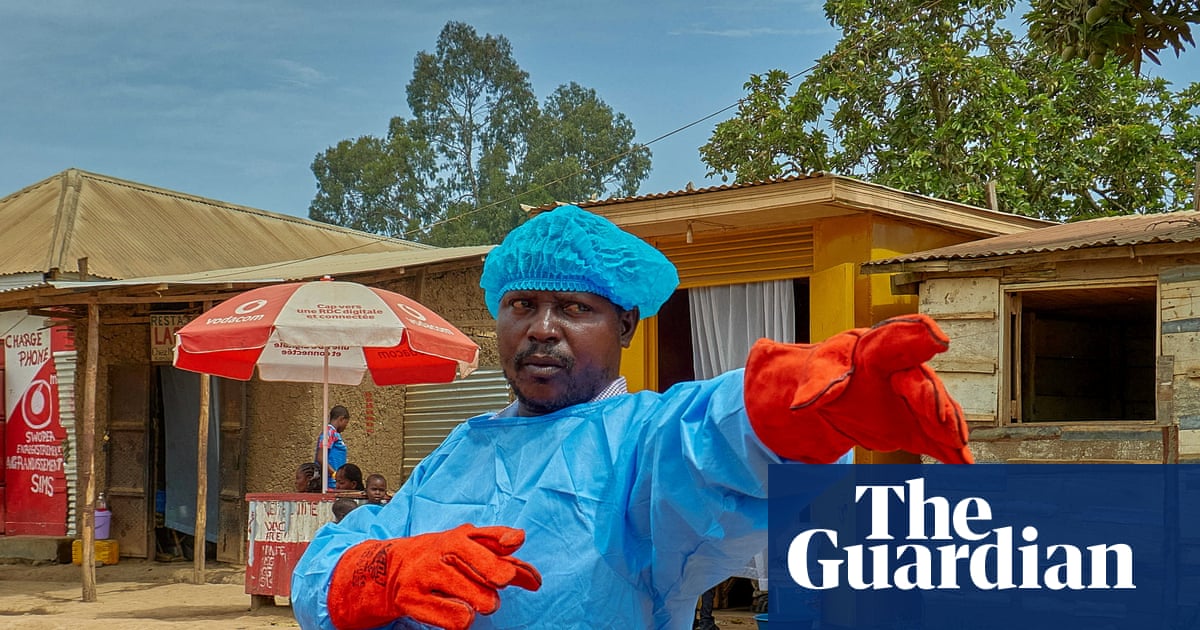
Aid organizations on the front lines report critical shortages of protective gear for health workers—face shields, suits, testing kits, even body bags for safe burial of highly contagious remains. “We have made requests to different partners, but we have not yet really received anything,” stated Julienne Lusenge, president of Women’s Solidarity for Inclusive Peace and Development, an aid group running a small hospital near Bunia. She lamented, “We only have hand sanitiser and a few masks for the nurses.” To complicate matters, the Bundibugyo type of Ebola virus, responsible for this particular outbreak, currently has no approved vaccine or specific treatment, amplifying the danger to health workers and the population alike. More robust international efforts are clearly needed to combat the disease effectively, as detailed by a leading international health body.
About the Author