The global energy landscape is teetering on a precipice. For the first time since May, oil prices surge past the critical $100 a barrel threshold, a startling development fueled by the intensifying conflict in the Middle East. This dramatic increase has ignited widespread apprehension over the stability of global energy supplies, leaving economists and consumers alike bracing for impact.
Brent crude, the international benchmark, registered a staggering more than 6% jump on Thursday, culminating several days of steady ascent. This volatile spike follows a significant escalation of military actions, with the United States amplifying its strikes against Iran. Furthermore, the situation was severely exacerbated by Houthi militia attacks on vital oil tankers navigating the Red Sea, a crucial export artery Saudi Arabia has increasingly relied upon to bypass the contentious Strait of Hormuz. Such disruptions threaten the very arteries of global commerce.
Understanding the Impact of Oil Prices Surge
The ripple effects are already being felt far beyond the oil markets. Gas prices, too, have seen a relentless climb over the past month. The benchmark UK gas price, for instance, now hovers around 150 pence per therm, a stark rise from approximately 98 pence at the close of June. This follows a period where oil prices had actually been receding, buoyed by a temporary ceasefire between the US and Iran. Those levels, last seen before the US and Israel initiated military action against Iran on February 28, are now a distant memory. The ceasefire, tragically, has collapsed, with US Secretary of State Marco Rubio asserting this week that Iran’s leadership “are not ready to make a deal.”
This persistent conflict casts a long shadow, threatening to re-ignite inflationary pressures across numerous economies, notably the UK and the US. Such a scenario inevitably translates to higher prices for everyday consumers. Directly, drivers face the immediate pain of more expensive petrol and diesel. The dramatic oil prices surge directly impacts these costs. Indirectly, households could witness an unwelcome increase in the cost of other essential goods, including food, as businesses are compelled to pass on their elevated transportation expenditures to customers.
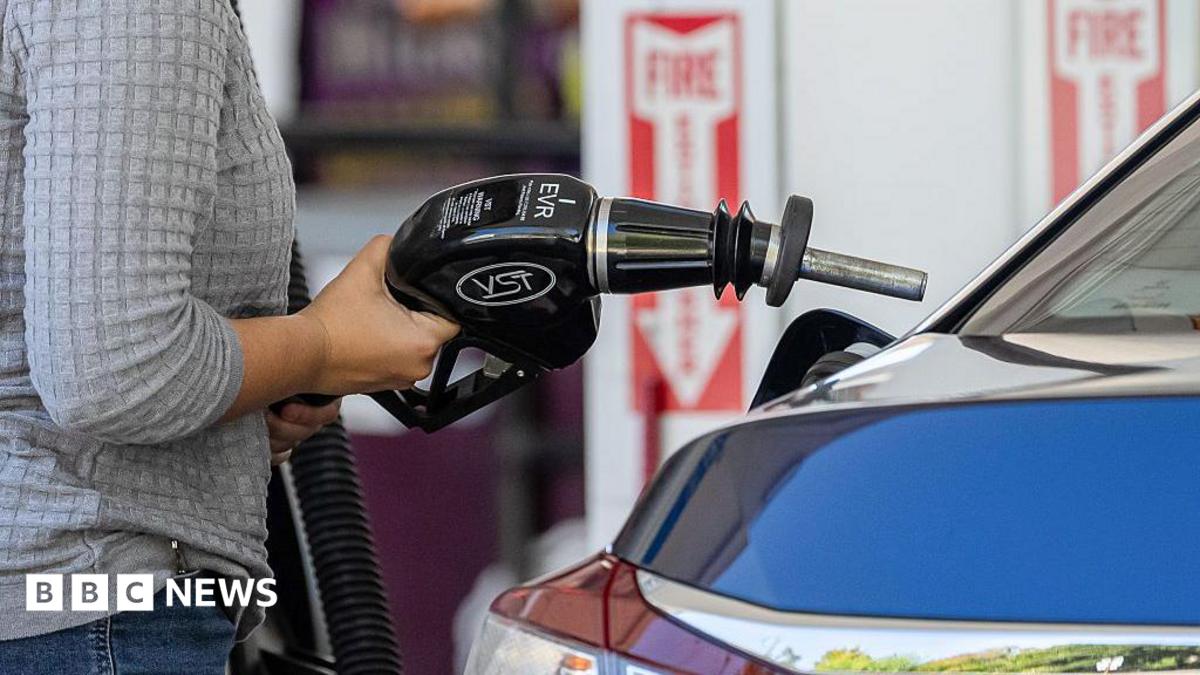
While inflation rates in both the UK and US had shown signs of moderating, questions now loom large over whether this slowdown will prove fleeting in the face of the renewed Middle East crisis. Data underscores the immediate pinch: UK petrol prices have already climbed 5p a litre in just two-and-a-half weeks, nearing £1.56, with diesel averaging £1.72 a litre, according to the RAC. Across the Atlantic, average gasoline prices in the US have once again breached the $4 a gallon mark, up from $3.92 just a month prior, as reported by the motorist advocacy group AAA.
The financial markets are watching with bated breath. Kevin Warsh, the freshly appointed chair of the US Federal Reserve, recently addressed Congress, emphatically declaring the central bank’s “no tolerance to persistently elevated inflation.” This stance comes despite previous pressures from US President Donald Trump on Warsh’s predecessor, Jerome Powell, to implement interest rate cuts. Trump has openly voiced his expectation for Warsh to deliver on these demands for reduced borrowing costs for American citizens. Yet, the Fed maintained US interest rates between 3.5% and 3.75% at Warsh’s inaugural meeting last month, underscoring his commitment to “restoring price stability” amidst the unsettling influence of the Middle East conflict on global prices. The delicate balance between political pressure and economic stability remains a paramount challenge as we navigate these turbulent current energy market dynamics.
About the Author