
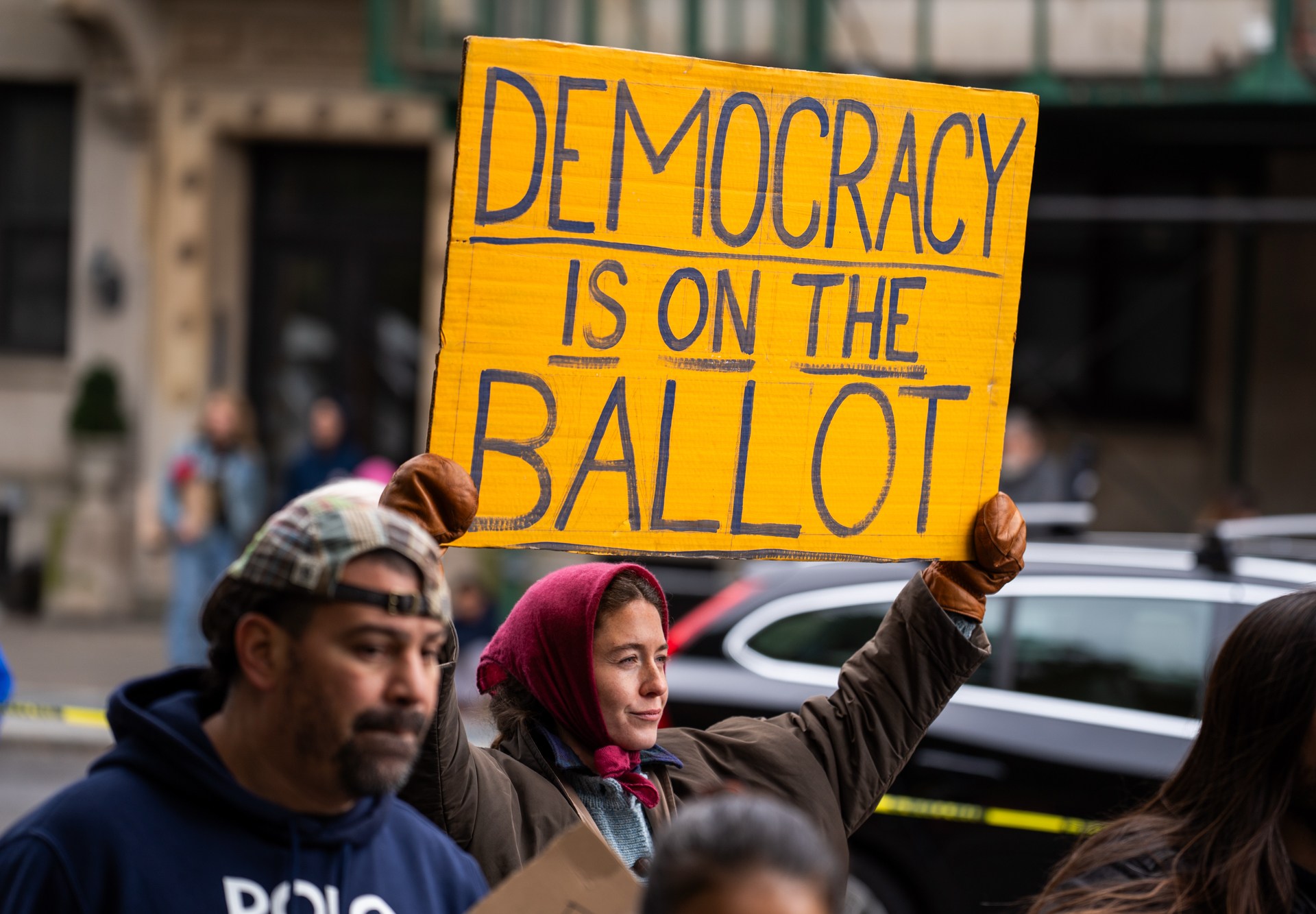
Photos: No Kings rallies in US urge midterm voters to cast ballots early
Introduction & Key Takeaways
Across the United States, a growing movement known as the No Kings network has mobilized thousands of citizens for a coordinated day of action. On October 17, 2026, participants gathered in cities from New York to Atlanta, aiming to secure high early voter turnout ahead of the upcoming midterm elections. This explainer examines the motivations behind these rallies, the current electoral tensions defining the American political landscape, and the broader implications for democratic participation.
- The No Kings rallies are strategically focused on encouraging early voting to mitigate concerns regarding potential election day interference.
- The movement frames the right to vote as a fundamental power that citizens must exercise to preserve democratic integrity.
- Current litigation between the administration and various states highlights a deepening divide over the legitimacy of mail-in ballots and voter roll management.
Background & Context (What Just Happened?)
The latest wave of demonstrations, branded as No Kings: Vote Early, marks a significant escalation in a series of marches that have spanned nearly two years. While these events are formally categorized as nonpartisan voter education efforts, their origins are deeply rooted in opposition to the administration of President Donald Trump. With over 3,000 events scheduled nationwide, the organizers are leveraging grassroots energy to ensure that voter accessibility remains at the forefront of the midterm conversation. At the Lincoln Memorial in Washington, participants braved cold weather to advocate for the protection of electoral processes, carrying signs that demanded, “Hands off my vote.”
Root Cause & Deep Dive Analysis (Why Did This Happen?)
The impetus for these No Kings rallies is the systemic distrust in election integrity that has characterized recent American cycles. President Trump has frequently questioned the validity of mail-in voting, asserting without evidence that fraud impacted past results. This skepticism has culminated in legal challenges, including a recent lawsuit filed against California election officials. The administration seeks to block the counting of mail-in ballots from individuals identified as “likely” noncitizens until their status is verified. This legal maneuvering has triggered a strong response from lawmakers, including Senators Alex Padilla and Dick Durbin, who are urging the Department of Justice to avoid seizing ballots. The situation echoes the heightened anxieties seen in other regions, similar to when protests over living costs destabilized civic order in Europe.
Strategic Implications & Future Impact (What Does This Mean Globally?)
The confrontation between the federal government and state election authorities represents a stress test for American federalism. If federal agencies continue to target local election procedures, the resulting legal chaos could delay certification processes and undermine public confidence in the outcome. Globally, observers are tracking how these internal disputes affect the stability of the United States as a democratic beacon. When domestic politics become this volatile, it often invites scrutiny from international counterparts who monitor how democratic institutions respond to internal pressure. The No Kings movement is essentially trying to bypass this uncertainty by moving the ballot collection process to an earlier, more stable window.
Conclusion & What to Watch Next
As the November 3 general election approaches, the intersection of judicial intervention and grassroots mobilization will be the primary narrative to track. The intensity of rhetoric from local officials, such as the impassioned speech by Atlanta Councilman Michael Julian Bond, highlights the high stakes perceived by voters. The key indicator for success in the coming weeks will be whether these early voting initiatives can successfully bypass the potential for last-minute litigation and logistical disruptions at the polls. Future updates will focus on how the courts address the Department of Justice’s warnings and whether the electorate responds to these calls for civic action with record-breaking turnout.