
Police units deployed across South Africa before anti-immigration marches
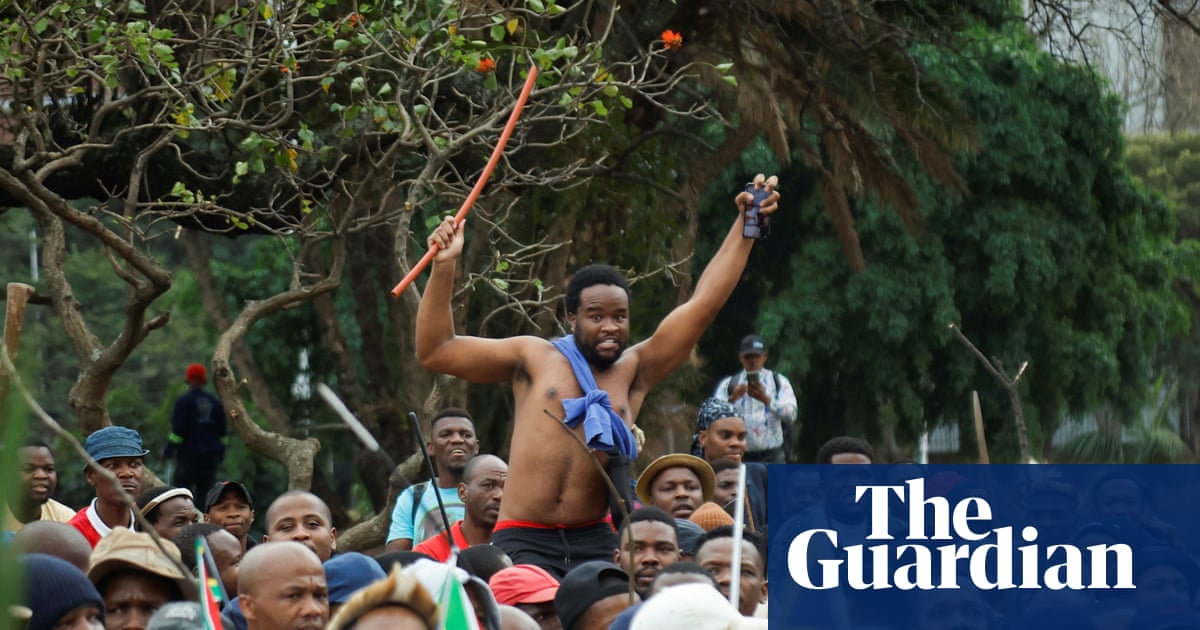
A palpable tension hangs heavy over South Africa as authorities scramble to pre-empt potential widespread violence. Police units have been strategically deployed to towns and cities nationwide, a precautionary measure ahead of planned demonstrations targeting undocumented foreign nationals. These volatile South Africa protests, driven by anti-migration groups, have ignited deep-seated fears of a grim reprise of past xenophobic attacks.
Johannesburg, the nation’s bustling economic heart, witnessed a significant security presence; patrol cars crisscrossed its central business district, prompting many shopkeepers to keep their doors shut. Local media corroborated reports of South African National Defence Force assets, including trucks, being sighted, underscoring the gravity with which the government views the looming unrest.
Rising Tensions and the South Africa Protests
Vigilante organizations, notably “March and March,” have orchestrated these demonstrations, unilaterally declaring June 30th as an ultimatum for undocumented foreigners to depart the country. While organizers adamantly assert their commitment to peaceful assembly and a singular focus on those without legal residency, numerous documented foreign nationals have, disturbingly, reported targeted harassment.
Jacinta Ngobese-Zuma, a prominent figure within March and March, unequivocally stated: “We are not calling for violence… No one will be killed on 30 June and no looting will take place in our name.” Despite such assurances, the memories of previous outbreaks of violence cast a long shadow. A grim precedent was set in 2008 when anti-migrant riots claimed 62 lives. More recently, July 2021 saw South Africa’s most devastating civil unrest since the end of apartheid, leaving over 350 dead following the imprisonment of former President Jacob Zuma.
For weeks leading up to June, unsettling scenes have unfolded across Johannesburg and Durban. Groups of men, often armed with sticks, have been observed moving from store to store, chanting “abahambe” — an isiZulu and isiXhosa phrase meaning “they must leave.” These encounters have sometimes escalated into interrogations and physical assaults against migrants. Tragic reports indicate that at least five Mozambican nationals have already perished amidst this escalating tension, a stark reminder of the human cost of such sentiment.
Foreign-born individuals constitute approximately 4% of South Africa’s population of 62 million, a figure significantly lower than alarmist claims suggesting numbers as high as 15-20 million. Many find themselves employed within the informal sector, drawn by the allure of one of Africa’s largest economies amidst severe regional economic challenges in their home countries.
Curiously, crime statistics reveal that a mere fraction of offenses are committed by foreigners, directly contradicting a popular narrative propagated by protest organizers. Yet, in a nation grappling with one of the globe’s highest unemployment rates and stark wealth disparities concentrated within its white minority, African migrants frequently become convenient scapegoats for deeper socio-economic frustrations. The recent surge in South Africa protests reflects this complex interplay of social and economic grievances.
Criticism has been leveled at authorities for their perceived hesitant response to the burgeoning violence. President Cyril Ramaphosa, addressing traditional monarchs in a recent forum, asserted: “There is no place for racism, sexism, tribalism, xenophobia, Afrophobia or any other form of intolerance.”
In anticipation of the June 30th deadline, several governments, including Nigeria, Ghana, Malawi, and Uganda, have initiated the repatriation of hundreds of their citizens. Heart-wrenching social media footage depicts dozens of Malawians huddled in the cold outside their Johannesburg consulate, desperately awaiting processing and transportation out of the country before the deadline expires. The situation remains fraught, with the shadow of potential further violence hanging heavy over the nation.