
Qatar denies it is detaining three Iranian bomber pilots
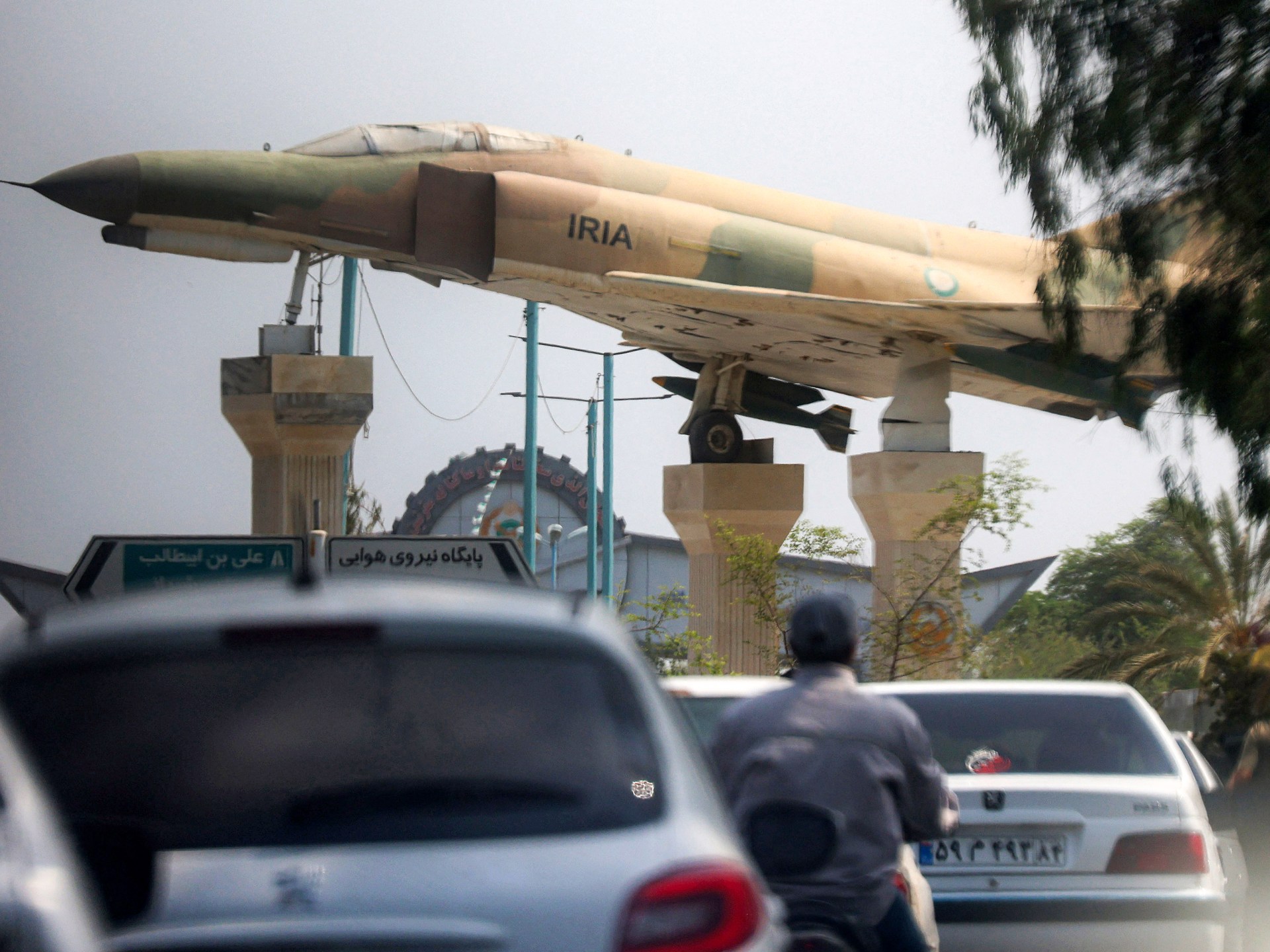
Qatar has emphatically rejected Tehran’s assertions. Explosive claims regarding three Iranian pilots being held in secret detention after their aircraft were downed earlier this year have been directly refuted by Doha. This stark denial forms the crux of the developing narrative, as Qatar denies pilots are being held against their will, further complicating an already volatile regional dynamic.
The Diplomatic Standoff: Qatar Denies Pilots Are Detained
General Mohammad Bagherzadeh of the Iranian armed forces had previously addressed a letter to the International Committee of the Red Cross. In this urgent communication, as reported by Iran’s Fars news agency, Bagherzadeh explicitly stated that pilots Javad Salehi, Abdolmajid Dashtian, and Omran Behraveshian were captured alive after their Su-24 warplanes crashed in March. Tehran alleges these airmen have been held incommunicado for six months, cut off from family and diplomatic representation, prompting appeals for international humanitarian intervention.
A spokesman for Qatar’s Foreign Ministry expressed profound surprise at what he termed “misleading statements” from Iranian officials. He unequivocally reaffirmed that Qatari forces hold no surviving aircrew. Majed Al-Ansari, the spokesman, underscored that such claims were particularly baffling amidst ongoing diplomatic endeavors. Doha’s narrative details that Qatari air defense forces established contact with the aircraft in March following an unauthorized airspace breach. Warnings were issued, unheeded. Consequently, Qatari forces engaged the targets. Search and rescue operations later yielded the remains of one pilot, Majid Kazemi, whose body was repatriated in coordination with Iranian authorities.
This dramatic military engagement unfolded during a broader attack targeting Al Udeid Air Base in Qatar, a pivotal U.S. military installation. Hosting U.S. Central Command (CENTCOM) personnel, Al Udeid represents significant American presence in the region. Early March saw Qatar’s Defence Ministry confirm the downing of two Iranian Sukhoi Su-24 bombers – a significant escalation, marking the first time a Gulf nation reported intercepting Iranian aircraft during the conflict. The interceptions were part of a wider wave of retaliatory strikes across the Gulf, ignited by hostilities erupting on February 28. Although an April ceasefire, brokered by Pakistan, offered a brief respite, peace framework talks utterly collapsed by June. This regrettable failure precipitated sporadic clashes near the Strait of Hormuz and a disturbing resurgence of attacks on regional shipping and infrastructure.
Despite the current diplomatic friction, Qatar steadfastly continues its role as a critical mediator, actively striving for a negotiated settlement between Iran and the U.S. The broader peace efforts, however, are now facing immense difficulties. A crucial 60-day negotiating window, established under a mid-June memorandum of understanding, is poised to expire on Monday with scant direct talks having occurred. This unfortunate deadlock has left maritime traffic through the vital Strait of Hormuz reduced to a mere trickle. For more on the crucial role of the U.S. military operations in the region, consult official sources.
Speaking in New York on Friday, President Donald Trump delivered provocative remarks. He declared Iran was being “very badly defeated” and floated the astonishing proposal that he would “pretty soon be declaring the Hormuz Strait a territory of the United States.” Tehran’s response was immediate and scathing. Iran’s Deputy Foreign Minister, Kazem Gharibabadi, used X (formerly Twitter) to assert that the strategically vital waterway “cannot be seized with a tweet, nor with an aircraft carrier.” He issued a stark warning: Iran will persist in enforcing its blockade until Washington acknowledges “the reality of defeat.” The ongoing tension, even amidst Qatar’s consistent denials that it holds the alleged Iranian airmen, underscores the persistent instability. Qatar denies pilots are within its custody, yet this singular dispute is merely one facet of a much larger, more dangerous geopolitical chessboard.