
Quebec group leads 16-day shoreline cleanup
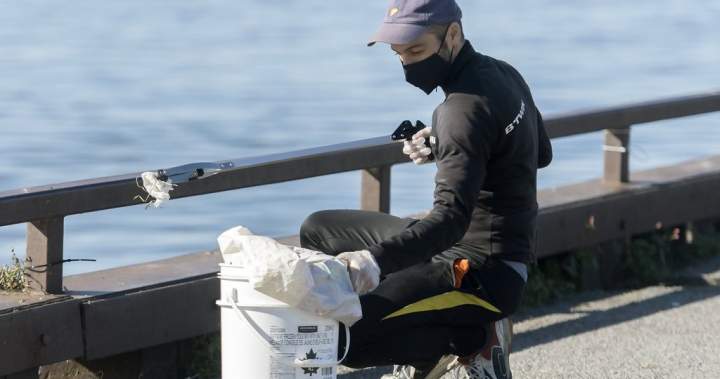
Marine biologist Lyne Morissette, weary of merely observing environmental degradation, co-founded an initiative eight years ago with a humble goal: collect 10 tonnes of trash from the St. Lawrence River. Today, her vision has blossomed into a monumental 16-day shoreline cleanup effort, L’Expédition Saint-Laurent, mobilizing scientists and volunteers across 2,000 kilometers.
Mission 1,000 Tonnes: The Drive Behind the Shoreline Cleanup
This year, Morissette, along with a dedicated cadre of scientists, divers, and community volunteers, embarks on an ambitious journey. They’re traversing the vast expanse of the St. Lawrence, from bustling urban centers like Montreal and Quebec City to more remote locales such as Baie-Comeau and the Innu community of Pessamit. The project, now grandly titled Mission 1,000 tonnes, represents a stark realization of the immense pollution burden our waterways carry. Morissette admits the experience is bittersweet; “The more we have, the worse it is, but at the same time, it’s that amount less in nature, so it’s kind of mixed feelings,” she shared in a phone interview.
Each region, Morissette notes from her extensive observations as an associate professor at the Institut des sciences de la mer, presents its own unique “trash signature.” While ubiquitous items like cigarette butts, plastic takeout containers, and coffee cups are constants, surprises occasionally surface. A memorable instance involved the recovery of what initially appeared to be a gun, necessitating a police call before being identified as a starter pistol for a rowing competition. Such discoveries underscore the unpredictable nature of this vital shoreline cleanup work, where safety protocols are paramount.
The scientific director of the expedition, Morissette insists on meticulous documentation of all retrieved debris. This data is crucial, offering invaluable insights into pollution patterns and their systemic impact on river ecosystems. Quebec, she stresses, is no isolated sanctuary from global ecological crises. “Climate change, sea water temperature rising, biodiversity loss, plastic pollution, we cannot say that it’s (far) away, it’s elsewhere,” she articulates with conviction. Despite the grim realities, Morissette finds profound encouragement in the legions of volunteers. Their collective action, she believes, is a powerful antidote to despair. “It can be seen as a small gesture to just spend an hour collecting trash, or spending five minutes during your walk to collect some garbage along the way, but all these small moments, they add up,” she says, instilling a message of tangible hope through every shoreline cleanup effort. For more details on how to engage respectfully, consider reviewing our comprehensive policy.
With an impressive 749 tonnes already salvaged, Mission 1,000 tonnes edges closer to its colossal objective. Morissette affirms the organization’s enduring commitment, assuring that the work will persist long after the 1,000-tonne milestone is achieved. Co-organized with Stratégie Saint-Laurent, this impactful expedition concludes its current phase on August 21.