
Riot police clash with students as education protests rage in France
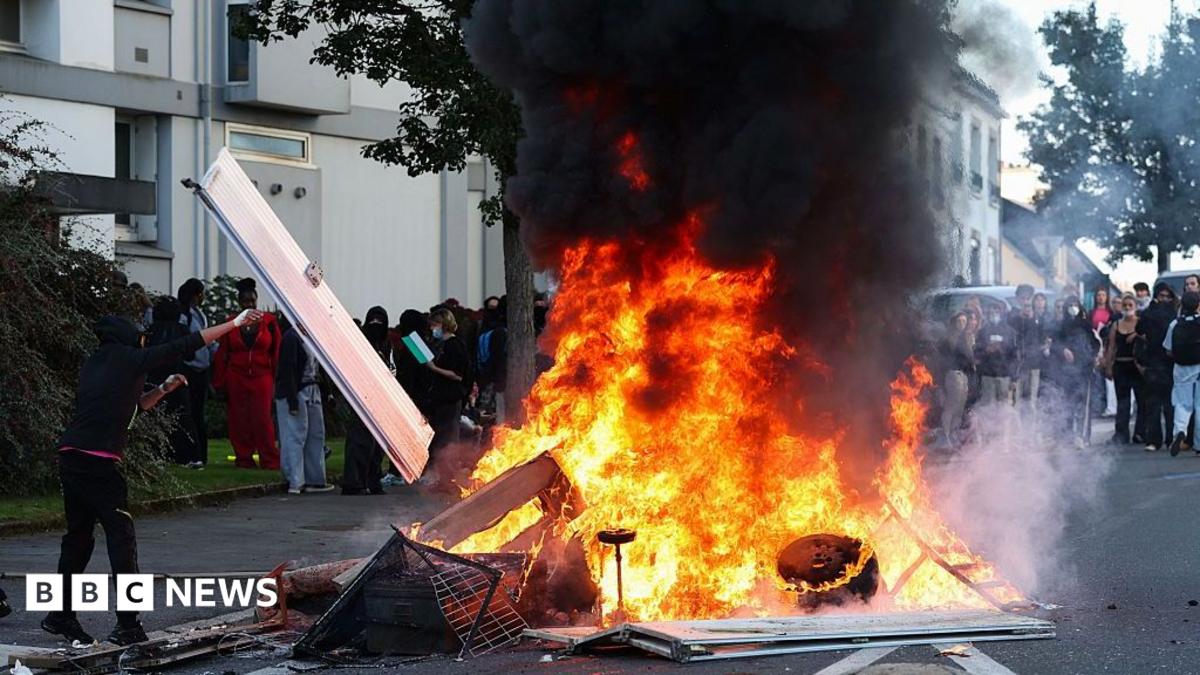
France is currently grappling with a wave of widespread social instability as French education protests have intensified, leading to significant clashes between students and law enforcement. What began as localized student-led demonstrations concerning deteriorating academic standards has spiraled into a national phenomenon, impacting over 700 schools across the country. From the historic streets of Paris to urban centers like Marseille, Nantes, and Montpellier, the academic landscape is being redefined by burning barricades and tear gas rather than traditional classroom instruction.
The Escalation of French Education Protests
The core grievances fueling these demonstrations are deeply rooted in the structural decline of the French school system. Students are vocalizing profound frustrations regarding the persistent lack of qualified teaching staff, the reality of severely overcrowded classrooms, and the physical decay of infrastructure. These French education protests have been exacerbated by looming budget cuts that threaten to strip away essential funding for the institutions that need it most. As one student participant, 16-year-old Lola, articulated to the press, the heavy-handed response from police has only served to fuel further anger rather than quell the dissent.
The situation took a disturbing turn on Friday in the north-eastern town of Belfort. According to reports from the British Broadcasting Corporation, a 17-year-old individual has been arrested on charges of attempted homicide following an assault on a police officer. Graphic footage verified by investigators depicts a chaotic scene where a solitary officer was pursued, knocked to the ground, and subjected to repeated physical abuse. The ministry of education confirmed that at least 65 staff members have sustained injuries throughout this period of mounting civil disorder.
The political timing could not be more precarious for President Emmanuel Macron. With the nation standing only six months away from a highly anticipated presidential election, these domestic tremors are sending ripples through the government. As the administration struggles to contain the unrest, French Justice Minister Gerald Darmanin has adopted a hardline stance, characterizing the movement as a transformation from student advocacy into a broad public order disturbance. He has even requested that prosecutors explore legal avenues to hold parents financially liable for the physical damage wrought by their children.
The Role of External Agitators and Future Outlook
Authorities have reported the seizure of dangerous items, including petrol bombs, axes, and mortar fireworks, suggesting that the student-led nature of the protests may be under threat. Education Minister Édouard Geffray argued that the movement has been hijacked by non-students who are exploiting the genuine grievances of pupils to foster chaos. This concern is mirrored in the actions taken at schools such as the Nelson Mandela high school in Nantes, which suffered over 2 million euros in damages after a fire destroyed its entrance.
The current climate of unrest serves as a grim reminder of the tensions that can flare within the nation, similar to how political instability recently unfolded in other regions. In much the same way that complex political scandals have injected chaos into foreign electoral cycles, these demonstrations are increasingly becoming a battleground for political survival. Various labor unions, including SNEP-FSU and Solidaires, have publicly sided with the students, citing the fundamental right to assembly and the urgency of the educational crisis.
As the government navigates the delicate balance between maintaining law and order and addressing the valid concerns regarding academic investment, the streets of France remain volatile. For parents, the anxiety is palpable. The uncertainty of whether their children are participating in peaceful assembly or risking life-altering consequences in a violent clash has cast a long, dark shadow over the current academic term. With thousands currently in custody, the path to a peaceful resolution appears increasingly narrow as the country awaits the next move from the executive branch.