
Russian strike kills at least 17 as Zelensky says interceptors could have saved lives
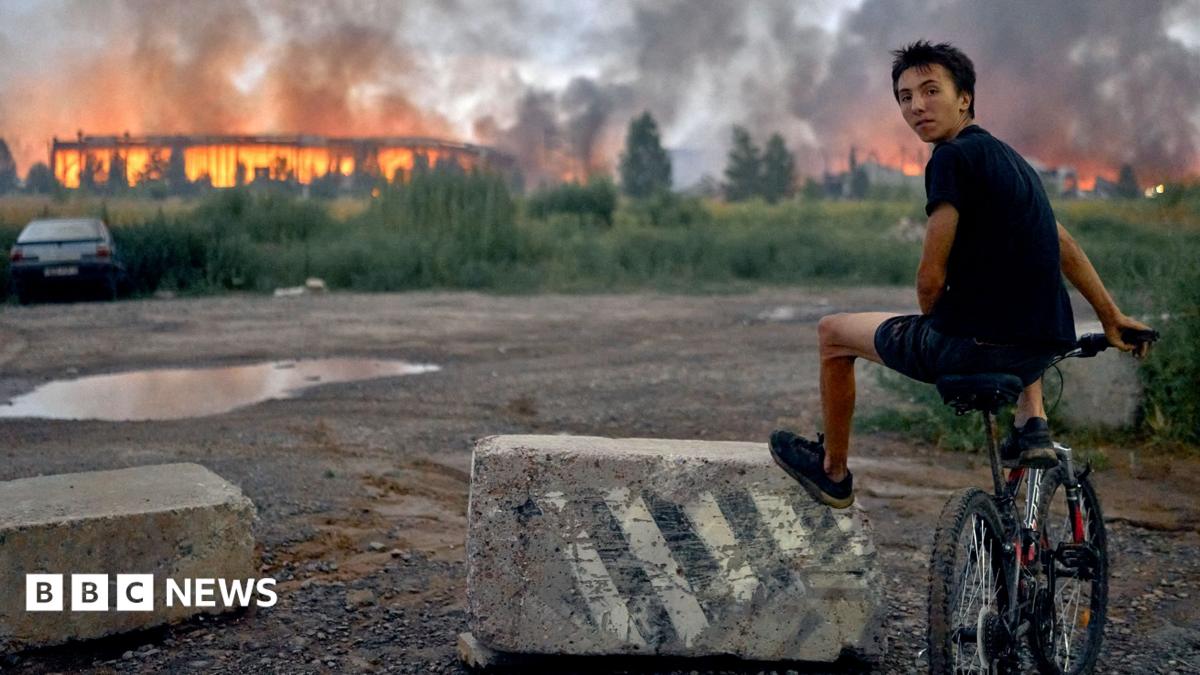
Kyiv awoke to horror on Wednesday as a brutal Russian missile strike unleashed devastation across the capital and its surrounding region, claiming at least 17 lives. Ukraine’s President Volodymyr Zelensky, his voice laden with urgency, swiftly declared that modern interceptor systems “could have saved lives,” underscoring a critical, unfulfilled demand from allies.
The predawn assault, among the deadliest this year for the Kyiv area, left a trail of destruction: residential complexes crumbled, a bustling railway station sustained significant damage, and vital warehouses were engulfed in flames. Emergency services worked tirelessly amidst the rubble, confirming at least 45 individuals injured. The sheer scale of the incident prompted Kyiv Mayor Vitali Klitschko to voice grave concerns for those potentially trapped beneath the wreckage.
Zelensky’s Urgent Call for Anti-Ballistic Systems After Russian Missile Strike
For months, Ukraine has implored its international partners for an increase in US-made Patriot missile interceptors, systems capable of countering the very ballistic threats that wrought such havoc. Disturbingly, reports indicate no successful interceptions of the missiles during this recent overnight onslaught. President Zelensky’s exasperation was palpable as he articulated that delays in receiving these crucial anti-ballistic systems inevitably result in “horrific casualties and destruction.”
The Russian defence ministry, in stark contrast, asserted its targets were legitimate logistics hubs and supply centres within Kyiv and its environs. They claimed these facilities were instrumental in the storage, delivery, and even production of unmanned aerial vehicles, along with other military supplies. Furthermore, Moscow reported hitting three cargo vessels transporting weaponry near the Black Sea port of Odesa.
The Ukrainian Air Force detailed the intensity of the assault, noting the launch of 24 ballistic missiles and four anti-ship missiles directed at the capital. Additionally, 115 drones were deployed, with air defence systems successfully intercepting 98 of them, a testament to the ongoing defensive efforts despite the devastating impact of the Russian missile strike.
Fires, spreading across a staggering 230,000 square meters, continued to rage in five distinct locations throughout the region hours after the initial attacks. The grim scene in Kyiv mirrored an escalation in hostilities from both sides; while Russia has intensified its assaults on Ukrainian cities, Ukraine has also ramped up attacks on Russian civilian infrastructure, including power facilities. Recent Ukrainian drone strikes, for instance, targeted an e-commerce giant’s warehouse in Russia’s Tula region, injuring one, and tragically, led to five deaths and ten injuries at warehouses in the Moscow region just days prior. Additionally, a drone striking a crowded beach in Krasnodar region resulted in seven fatalities and 58 injuries.
In a related development, European Commission President Ursula von der Leyen announced that the EU has received €1.4 billion (£1.2 billion) from immobilised Russian assets. These funds, she affirmed, are earmarked to bolster Ukraine’s defence in its ongoing conflict. Both warring nations, however, continue to deny deliberately targeting civilians, even as harrowing incidents such as a video showing a man being chased by a drone in Kherson, dubbed a deliberate “hunt” by Ukraine, surface. For more comprehensive insights into global conflicts, you can visit the Council on Foreign Relations.