
Sacked Ukrainian defence minister calls for presidential election
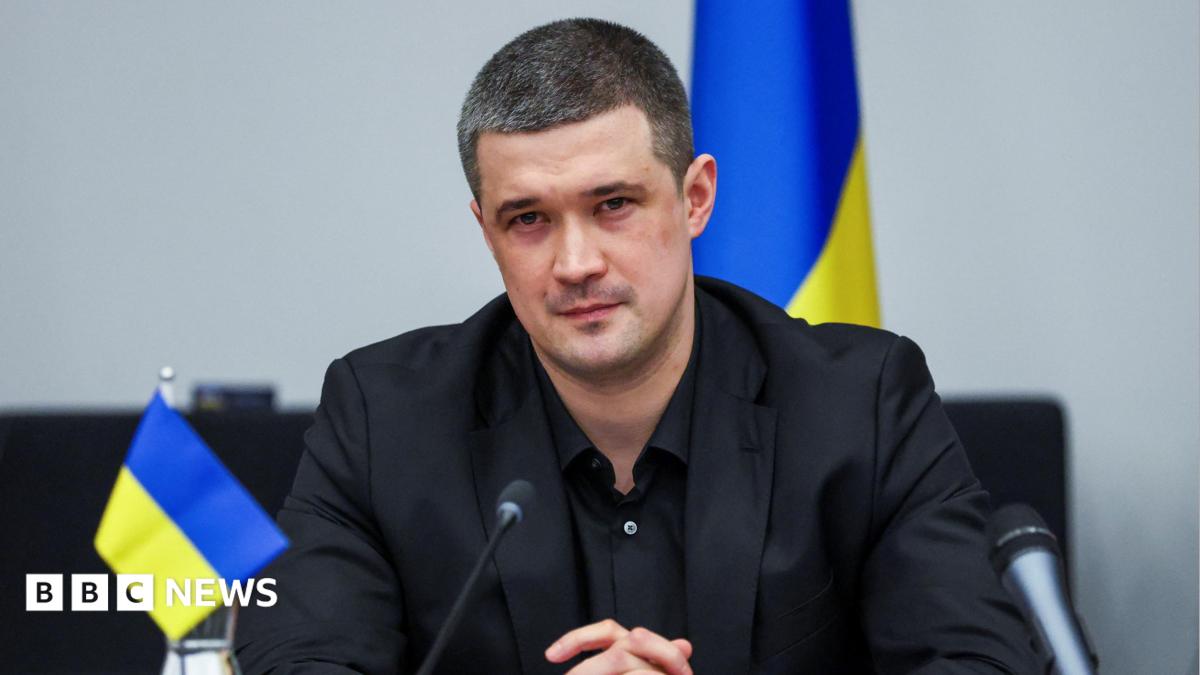
In a move that has sent ripples through Kyiv’s political landscape, former Ukrainian Defence Minister Mykhailo Fedorov has boldly called for wartime elections, presenting what many observers deem the most significant challenge to President Volodymyr Zelensky’s leadership since Russia launched its full-scale invasion in February 2022. His powerful declaration, delivered via a YouTube video on Tuesday, asserts unequivocally that "Democracy cannot be held hostage by Russia," underscoring Ukraine’s fundamental fight for freedom and its European future. This unexpected pronouncement ignites a crucial national debate on the balance between wartime unity and the enduring principles of democratic governance.
Since the initial days of the full-scale invasion, Ukraine has operated under martial law, a constitutional provision that mandates the suspension of elections. This legal framework, designed to ensure national security and military cohesion during an existential threat, places the nation in a precarious position regarding its democratic processes. Fedorov, a 35-year-old technocrat who served only six months as defence minister before his unexpected dismissal in late July, argues that while necessary, martial law should not indefinitely postpone the democratic expression of the Ukrainian people. He meticulously avoided direct criticism of President Zelensky in his video, instead focusing on the urgent need for a "legal, safe, and realistic mechanism that will allow Ukraine to restore a full democratic process even amidst a prolonged war." Such a mechanism would be unprecedented for a nation actively engaged in a large-scale conflict, presenting immense logistical and security challenges.
The Architect of Innovation and His Call for Wartime Elections
Mykhailo Fedorov’s tenure, though brief, was marked by a relentless drive for innovation and transparency within the often-maligned defence ministry. A former Minister of Digital Transformation, Fedorov was instrumental in establishing the volunteer "IT Army of Ukraine" to counter Russian cyber-aggression in the conflict’s nascent stages. He later championed the successful "Army of Drones" fundraising campaign, integrating elements of "gamification" to incentivise and reward Ukrainian military units for hitting Russian targets. His strategic focus on drones, high-tech warfare, and procurement continued in his defence role, even leading to a direct appeal to SpaceX founder Elon Musk to prevent Russia from utilising Starlink satellites for drone attacks – a move widely credited with significantly disrupting Russian frontline operations. His commitment to leveraging technology for battlefield advantage showcased a new paradigm for modern defence.
Despite his impactful contributions, Fedorov’s dismissal sparked protests across the country and was widely understood to stem from escalating tensions with army commander-in-chief, Oleksandr Syrskyi. Syrskyi himself was replaced weeks later, following persistent public discontent that piled pressure onto the Ukrainian president. Fedorov’s outspoken nature and anti-corruption initiatives, while lauded by many, likely created friction within established military and political structures. In his YouTube address, he lamented a "systemic crisis of governance" and a societal "scared of change," directly linking these issues to pervasive corruption that he believes is actively undermining the nation’s war effort. President Zelensky has since appointed Yevgeniy Khmara, a career intelligence official, as acting defence minister. Other governmental positions, including deputy prime minister for military innovation, were offered to Fedorov, but the determined 35-year-old has firmly stated he would only return as defence minister. This stance underscores his firm commitment to his original portfolio and his vision for defence reform.
The Delicate Balance of Democracy in Wartime
The call for wartime elections presents Ukraine with a profound dilemma. On one hand, maintaining democratic legitimacy and accountability is crucial for a nation fighting for its sovereignty and values. On the other, the practicalities of conducting free and fair elections in an active war zone are staggering. Millions of Ukrainians are displaced internally or have sought refuge abroad. Large swathes of territory remain occupied or are under direct assault. Ensuring voter registration, secure polling, and protection against disinformation campaigns, especially from an adversary like Russia, would be an unprecedented undertaking. The very notion challenges established international norms regarding electoral processes during conflict, pushing the boundaries of political science and governance.
The political stir arrives amidst a significant escalation in the ongoing conflict. Ukraine has ramped up long-range drone attacks deep into Russian territory, targeting oil refineries and major logistics hubs. Simultaneously, Moscow has continued its devastating assaults on Ukrainian cities, resulting in tragic loss of life. Just recently, UK Prime Minister Andy Burnham reaffirmed Britain’s unwavering support for Ukraine, even as Moscow issued stern warnings about "consequences" following confirmation of British-made drones being used in recent Ukrainian strikes within Russia. This volatile military backdrop only amplifies the complexity of Fedorov’s proposal. The debate over wartime elections will undoubtedly dominate Ukraine’s political discourse in the coming months, testing the resilience of its democracy even as it battles for its very existence.