The tiny island nation of São Tomé and Príncipe is bracing for a highly anticipated São Tomé election this Sunday, a pivotal moment set to test its long-standing democratic traditions. As one of Africa’s least populous countries, it strives to uphold its democratic image on the global stage, even as domestic political tensions simmer just beneath the surface. Some 142,000 registered voters, including a significant diaspora population, are poised to cast their ballots, determining the next chapter for this often-overlooked nation.
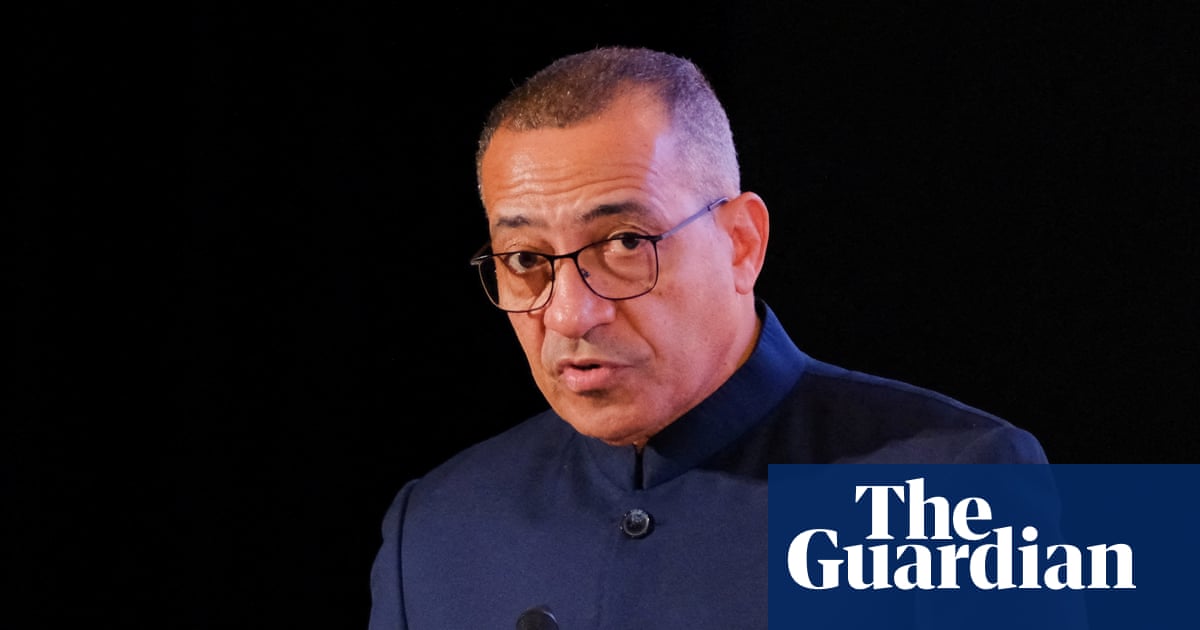
Since its independence from Portugal in 1975, São Tomé and Príncipe has carved out a commendable reputation for peaceful, multi-party elections. However, the current political climate is fraught with an undercurrent of unease, exacerbated by a lingering constitutional crisis. President Carlos Vila Nova, seeking a second term, has opted to run as an independent, a significant departure from his previous affiliation with the ruling Acção Democrática Independente (ADI) party, which he represented during his 2021 victory. This strategic shift highlights a fractured political landscape.
The rift between Vila Nova and his former party became stark in January last year when he controversially dismissed Prime Minister Patrice Trovoada. The subsequent political upheaval saw Trovoada’s replacement, Ilza Amado Vaz, resign after merely three days, paving the way for the current Prime Minister, Américo Ramos. This tumultuous period underscores the fragility of the political alliances in play.
This Sunday’s ballot sees Vila Nova pitted against four other hopefuls. Among them is Nito D’Abreu, the parliamentary leader for the ADI, representing the very party the incumbent once led. Adding to the electoral intrigue, former Prime Minister Jorge Bom Jesus remains on the ballot as an independent, despite his attempts to withdraw his candidacy missing the crucial deadline. Intriguingly, the main opposition party, the Movement for the Liberation of São Tomé and Príncipe, has forged a broad coalition to back the incumbent president, despite its historical opposition to the ADI. Conversely, a faction of the ADI, led by Prime Minister Ramos, is now throwing its weight behind D’Abreu. Should no candidate secure more than 50% of the vote, a run-off election will be triggered.
Challenges in the São Tomé Election
The run-up to this São Tomé election has not been without controversy. Businessman Domingos Monteiro, affectionately known as “Nino” and the president of the São Toméan Football Federation since 2015, found himself disqualified. The constitutional court cited ineligibility requirements, asserting that despite his birth on the island, his parents, immigrants from Cape Verde, had never naturalized. Monteiro vehemently condemned the decision, stating, “The constitutional court is violating the principle of equal rights… It is time for descendants born in São Tomé and Príncipe to say no to discrimination, to the culture of xenophobia and persecution.” His sentiments resonate with a broader electorate grappling with systemic issues.
Voters across the archipelago are primarily concerned with pervasive government corruption, spiraling inflation, crippling youth unemployment, persistent fuel shortages, and frequent power outages. These pressing domestic issues fuel the hopes of Vila Nova’s rivals, who believe such widespread discontent could pave their path to the presidency, preventing him from securing a second term. Indeed, corruption was a central theme in the recent presidential debate, with D’Abreu declaring it “the greatest catastrophe the country has experienced in this half-century [of independence].” For more details on the economic and political landscape, readers can refer to this comprehensive overview of the region.
Strategically located in the Gulf of Guinea, São Tomé and Príncipe holds considerable international significance as a trusted Western ally for security and maritime trade. This region is notoriously one of the world’s most active maritime piracy hotspots. Furthermore, the nation’s offshore oil deposits contribute substantially to its economy. Given its geopolitical importance, observer missions from the European Union, G7+, and the Community of Portuguese Language Countries are actively monitoring the polls, ensuring transparency and bolstering the credibility of the São Tomé election process. The world watches closely as this small nation navigates a complex political transition.
About the Author