
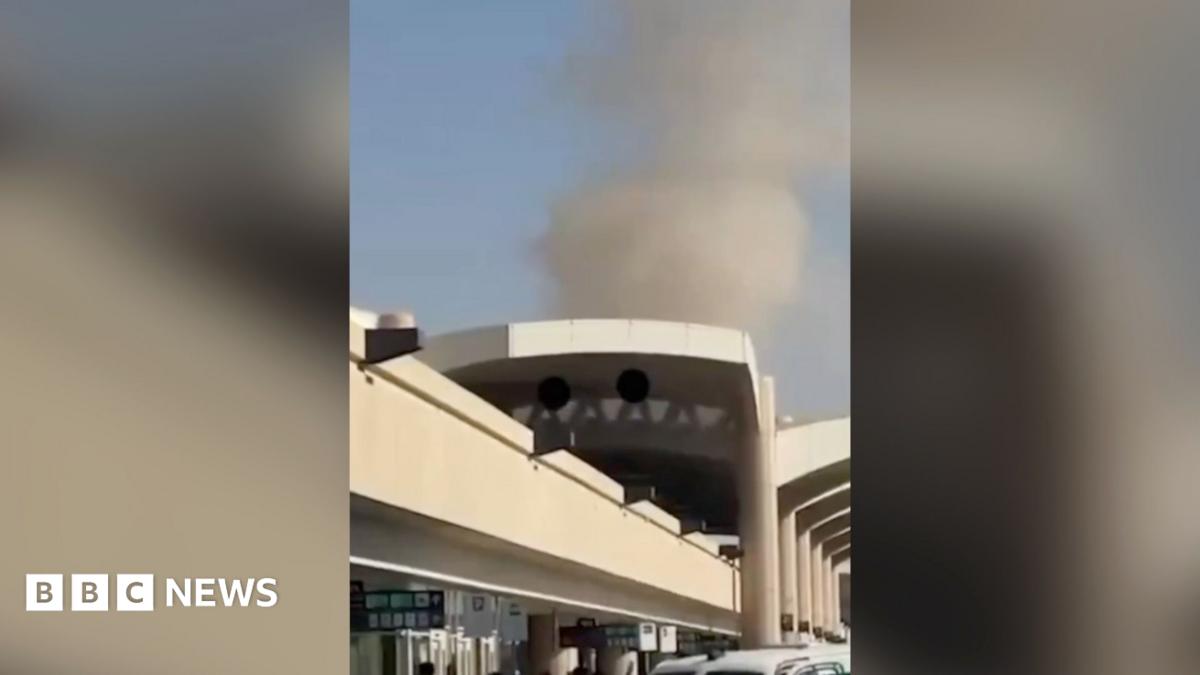
Saudi capital airport hit by second Houthi strike in two days
Introduction and Key Takeaways
The security landscape in the Middle East has entered a period of profound volatility as the Riyadh airport attack marks a recurring and increasingly deadly pattern of aggression. King Khalid International Airport, a vital hub for global transit, has been targeted by Houthi forces for the second time in just two days. This development suggests a tactical shift from localized skirmishes to high-profile, civilian-adjacent warfare. The implications for regional stability, global travel security, and international diplomatic relations are severe.
- The recent strike on King Khalid International Airport has caused significant infrastructure damage and tragic loss of life.
- Houthi militants have explicitly warned civilians and international airlines to avoid Saudi airspace.
- The United States and the United Kingdom are currently weighing potential military responses to these acts.
- Global energy markets remain sensitive to any disruption in the proximity of Saudi infrastructure, as analyzed in our recent report on how escalating oil crises drive price surges.
Background and Context: What Just Happened?
Following a period of relative calm under a 2022 ceasefire, the conflict in Yemen has reignited with alarming speed. The collapse of this agreement in July shifted the theater of operations, with Houthi forces seizing key positions along the Red Sea coast. The recent targeting of the Saudi capital is not an isolated event but rather the climax of a week of systematic assaults on civilian infrastructure. Officials reported that a projectile struck a passenger hall on Sunday, following a much deadlier attack on Saturday that resulted in over 300 injuries and the tragic deaths of 13 people, including nationals from across the globe.
Root Cause and Deep Dive Analysis
To understand the current Riyadh airport attack, one must look at the structural dynamics of the Yemen civil war. The Houthis, acting as a regional proxy, are attempting to project power far beyond their borders. By utilizing a sophisticated combination of cruise missiles, ballistic technology, and drone swarms, the group is testing the efficacy of Saudi air defense systems. This strategy serves a dual purpose. It forces the Saudi-led coalition to divert precious military resources to static defense while simultaneously creating a psychological environment of fear that threatens to isolate the Kingdom from international commerce. The Houthis cite Saudi support for the internationally recognized Yemeni government as their primary motive, painting these assaults as a retaliatory measure for recent coalition airstrikes near Sanaa.
Strategic Implications and Future Impact
The geopolitical fallout of these strikes is significant. For the international community, the transition of the conflict into major transportation hubs creates a direct threat to global mobility. According to historical records of the conflict, the inability to contain these proxy attacks has often led to broader regional involvement. The potential for a direct US or UK military response, as suggested by recent statements from leadership, could trigger an expansion of the conflict into a wider regional war. Furthermore, the economic impact is non-negligible. Any sustained threat to Saudi infrastructure, particularly energy-related facilities, could destabilize global oil markets and exacerbate inflationary pressures already affecting the post-pandemic global economy.
Conclusion and What to Watch Next
As the situation remains fluid, observers must track the response of the Saudi-led coalition. The vow to treat these attacks as war crimes suggests that a conventional, limited response may no longer satisfy the requirements of national security. Observers should also pay close attention to the previous patterns of escalation in Abha and Riyadh to anticipate where the next points of failure might occur in the regional defense network. Moving forward, the diplomatic capacity of regional power brokers to mediate will be tested as never before. The primary concern remains whether the current trajectory leads toward a negotiated settlement or a total breakdown of regional safety.