
Trump calls Kim Jong Un a ‘friend’ and plays down N Korea’s nuclear arsenal
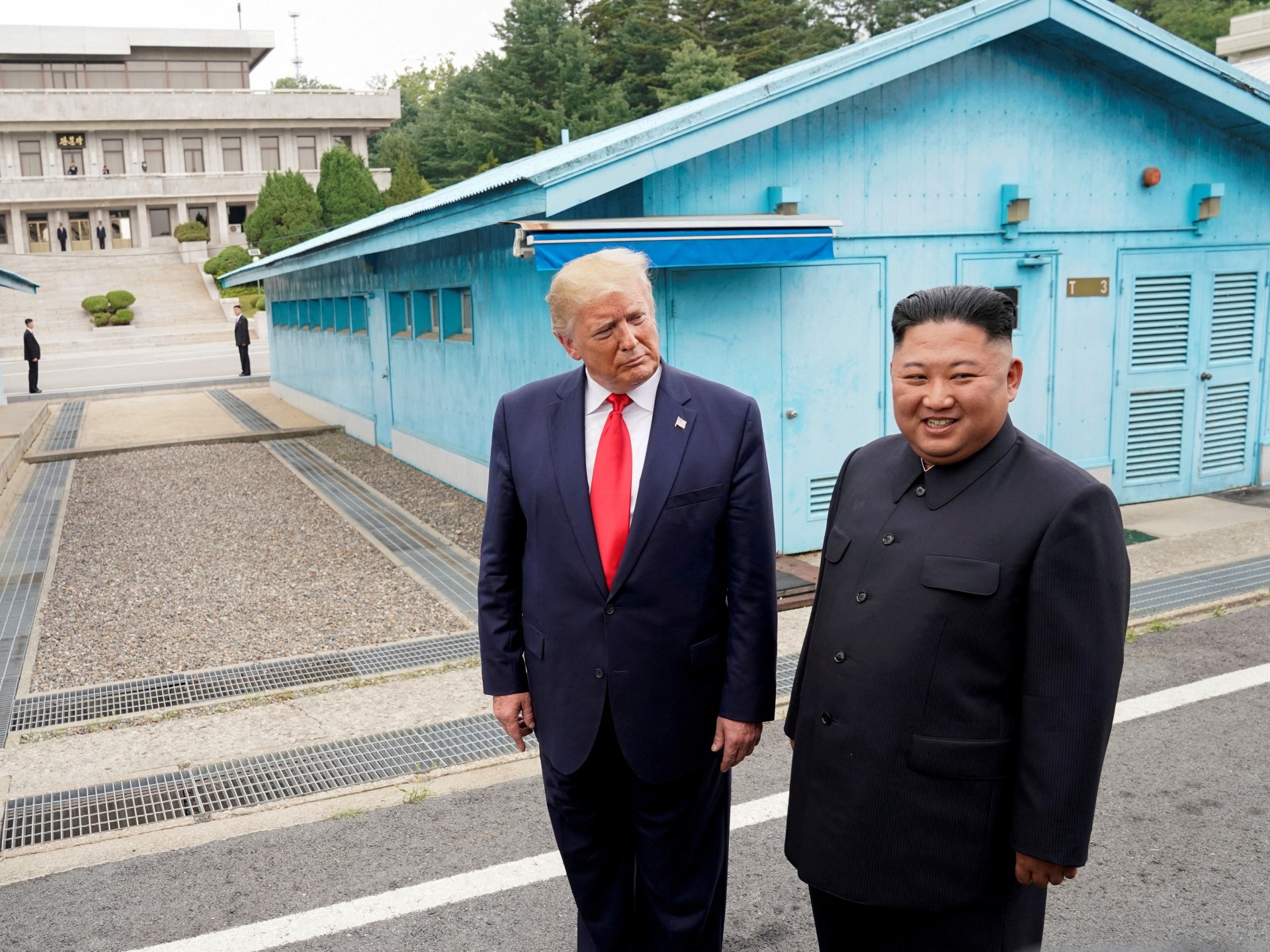
In a surprising diplomatic pivot, United States President Donald Trump has publicly characterized North Korean leader Kim Jong Un as a personal friend. This commentary surfaced during a press event in Washington, DC, where the President addressed ongoing geopolitical tensions. When pressed by reporters to explain the apparent discrepancy between the US stance on North Korean nuclear proliferation versus the hardline position taken against Iran, Trump offered a candid, if unconventional, assessment of his relationship with the Pyongyang leadership. He firmly asserted that as long as his administration remains at the helm, the North Korean state would face no existential threats, citing a mutual respect that he believes transcends standard diplomatic protocols.
This declaration comes at a particularly volatile time for international relations, as the ongoing conflict involving the US, Israel, and Iran approaches its eighth month. Observers note that the administration’s focus on North Korea may be an attempt to secure a major diplomatic victory to offset the domestic economic pressures stemming from fluctuating global energy prices and rising fuel costs, which have become a focal point ahead of the crucial November midterm elections.
The Complex Dynamics of Trump and Kim Jong Un
The history between the two leaders is marked by both grand summits and periods of frozen communication. Since the initial, high-profile meetings in 2018 and 2019, the dialogue stalled primarily over the immovable American demand that Pyongyang complete the total denuclearization of the Korean Peninsula. In the years since, the situation has evolved significantly. Kim Jong Un has not only expanded his nuclear capabilities but has also deepened strategic ties with global powers such as Russia and China, altering the balance of power in the region. International geopolitical monitors have consistently warned that these shifting alliances present new hurdles for Western foreign policy.
Despite these external challenges, the President remains convinced that his personal rapport with Kim is a unique asset. During his remarks, he downplayed the scale of North Korea’s nuclear arsenal, despite verified reports from various intelligence sources suggesting a much larger cache than the 57 warheads referenced in the President’s commentary. Recent assessments from South Korean defense officials estimate the true number of warheads to be between 80 and 120, highlighting a significant divergence between White House statements and regional intelligence data.
The administration’s approach to the region has been characterized by this distinct blend of personal diplomacy and bold, often unpredictable, policy pivots. For more on recent technological shifts and the broader context of personal AI assistants being utilized in modern communication, it is clear that the landscape of how leaders engage with the world is changing rapidly. Whether this strategy will lead to a breakthrough or further complicate regional stability remains a subject of intense debate among security experts and political analysts alike.
Ultimately, the challenge remains whether such a personalized diplomatic approach can produce tangible policy outcomes. While the President has expressed a clear desire for another in-person meeting before the calendar year ends, Pyongyang has remained notably cautious. The North Korean leadership has yet to issue a formal commitment to talks, keeping the world waiting on whether this latest overture from the White House will lead to a new round of denuclearization negotiations or simply continue the existing stalemate.