
Trump cancels Iran strikes subject to deal being made ‘rapidly’
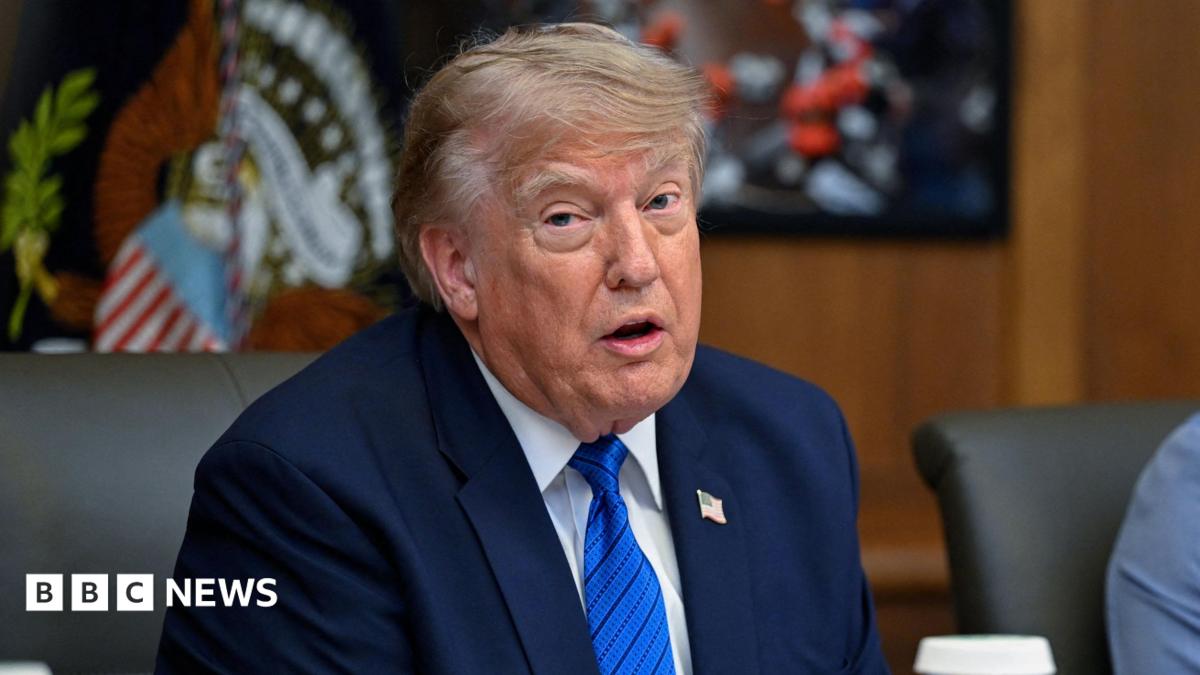
In a sudden pivot, President Donald Trump announced he has temporarily halted planned Iran strikes, contingent upon a swift diplomatic resolution with the Middle Eastern nation. The stunning declaration, posted to Truth Social, claimed that Iran itself, alongside other regional players, had implored the US to “hold off” on any offensive, signaling that “perimeters” of an agreement were already in place. This move comes amidst swirling reports of a significant escalation, with the US and Israel allegedly preparing one of the harshest bombing campaigns ever conceived against Iran’s energy infrastructure.
It’s a familiar pattern for Trump, whose tenure has been punctuated by apocalyptic warnings swiftly followed by an insistence on diplomatic avenues. However, Tehran has yet to corroborate any request for new negotiations or the existence of a nascent deal to end the conflict that erupted on February 28th following US and Israeli incursions. Iran’s acting Defence Minister, Majid Ibn al-Reza, sternly reiterated on Sunday that his nation perceives all threats as “real and credible,” even those veiled in psychological warfare, asserting, “We will neither be caught off guard nor remain passive.”
The Volatile Dance of Diplomacy and Potential Iran Strikes
Sources within the US administration, speaking to CBS News, revealed that the controversial plan for intense Iran strikes had been a focal point of Trump’s cabinet meeting just days prior. The American government had concurrently issued urgent advisories, urging citizens across the Middle East to prepare for evacuation should regional tensions erupt. In his earlier, more bellicose social media post, Trump had boasted that the US was “locked and loaded and ready to go against the Islamic Republic of Iran, at levels of Military Terror, Strength, and Power not seen since World War II,” suggesting that calling off the attack was for the “future benefit of the world” and a “successful and prosperous Iran.”
The president’s ‘Madman Theory’ – a strategy of projecting unpredictability to compel negotiation – appeared to find partial validation back on April 7th, when a similar threat to annihilate an entire civilization if Iran refused talks led to historic face-to-face discussions in Pakistan, spearheaded by Vice President JD Vance. Yet, those highly publicized talks ultimately collapsed, failing to reconcile deeply entrenched red lines despite the ominous threat of widespread destruction.
The precariousness of the situation was underscored by a subsequent call between Trump and Saudi Crown Prince Mohammed Bin Salman. The Saudi royal reportedly stressed the paramount importance of dialogue to de-escalate tensions and urged all possible efforts toward a truce that could pave the way for diplomatic solutions. US Gulf Allies, too, harbor grave concerns; while the American mainland remains safe, countries like Bahrain, Jordan, and the UAE lie within range of Iranian missiles, their critical infrastructure, such as vital water desalination plants, prime targets.
Since the April ceasefire crumbled in June, Washington and Tehran have been locked in a dangerous cycle of escalating strikes and counter-strikes. The US has imposed blockades and bombed sites, while Iran has retaliated with missiles and drones targeting American assets and disrupted shipping in the Strait of Hormuz, a crucial artery for global oil transport. These geopolitical tremors have predictably led to significant fluctuations in oil prices.
Beyond the international chess game, President Trump faces mounting domestic pressures. According to compelling public opinion data, approximately 60% of Americans disapprove of the ongoing conflict with Iran, contributing to the president’s waning popularity. Any renewed military escalation and the inevitable surge in oil prices would undoubtedly further squeeze American consumers. With critical US midterm elections on the horizon, the president understands that his international decisions carry profound domestic consequences for his administration.