
Trump orders US to scale back South Korea military drills
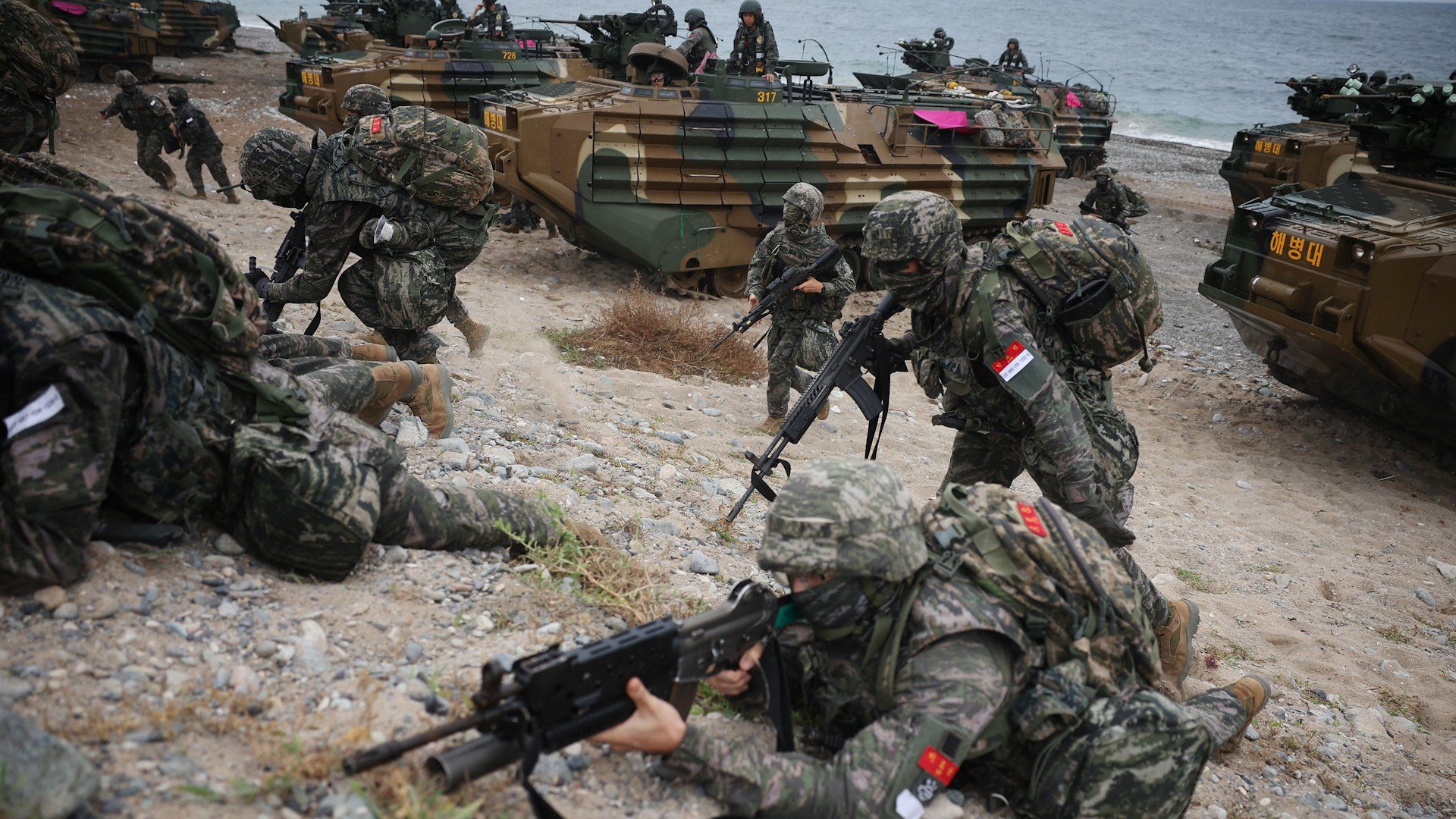
President Donald Trump has dramatically scaled back joint South Korea military drills, a surprising move announced on August 17, 2026. This directive, impacting long-standing exercises with Seoul, stems from what the administration describes as the President’s “good relationship” with North Korean leader Kim Jong Un, coupled with South Korea’s refusal to participate in the ongoing US war in Iran.
The decision sends ripples through diplomatic circles, altering a bedrock of regional security. For decades, these joint maneuvers have been a crucial deterrent against aggression from Pyongyang, symbolizing the robust alliance between Washington and Seoul. Now, that strategic bedrock appears to be shifting.
Impact on South Korea Military Drills and Regional Dynamics
Observers are quick to point out the broader context. With the protracted conflict in Iran reportedly dragging on without a clear resolution, some analysts suggest this reduction in South Korea military drills might be President Trump’s attempt to identify scapegoats. The implication being that allies, particularly those not fully aligning with current US military engagements, could face repercussions. This geopolitical maneuver certainly raises questions about the future of alliances and the delicate balance of power in East Asia. For further reading on the complexities of such alliances, explore the Council on Foreign Relations.
The ramifications for regional stability, and indeed for global international relations, remain unclear. South Korea’s military readiness and its perceived security posture could be significantly affected. Meanwhile, the exact nature of the ‘scaling back’ and its long-term implications for the Korean peninsula are topics of intense debate among defense strategists and policymakers alike.