
Trump says Iran ceasefire is on ‘massive life support’
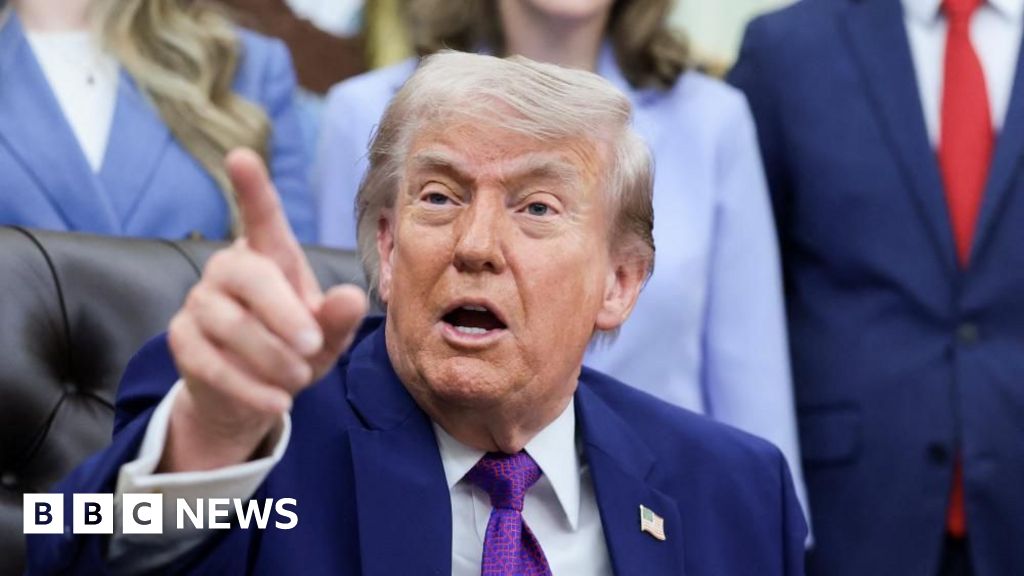
President Donald Trump has dramatically declared the fragile, month-long Iran ceasefire to be on “massive life support,” revealing a deeply strained truce in the Middle East. His blunt assessment came after summarily rejecting Tehran’s latest peace proposal, deeming it “totally unacceptable” and prompting immediate, fiery retaliation from Iranian officials. The declaration underscores the profound instability that continues to plague one of the world’s most volatile regions.
Trump Slams Iran’s Proposal, Doubts Ceasefire’s Viability
Speaking from the Oval Office on Monday, the former president didn’t mince words, painting a grim picture of the current diplomatic landscape. “The ceasefire is unbelievably weak,” he asserted, later likening its chances of survival to a dire one percent, akin to a loved one facing a terminal diagnosis. He characterized Iran’s peace counter-offer as a “piece of garbage” he “didn’t even finish reading,” and castigated Iranian leaders as “very dishonourable people” who frequently change their minds.
Unsurprisingly, Iranian officials swiftly retorted to Trump’s scathing remarks. Parliamentary speaker Mohammad Ghalibaf took to X, declaring Iran’s armed forces “ready to respond and to teach a lesson for any aggression.” Foreign ministry spokesperson Esmail Baghaei staunchly defended Tehran’s proposals as “responsible” and “generous,” insisting there was “no alternative but to accept the rights of the Iranian people as laid out in the 14-point proposal.” He warned that prolonged dragging of feet would only cost American taxpayers more.
The contentious 14-point counter-offer from Iran, reportedly detailed by its semi-official Tasnim news agency, sought an immediate cessation of hostilities across all fronts—an implicit nod to continued Israeli actions against Iran-supported Hezbollah in Lebanon. It also demanded a halt to the US naval blockade of Iranian ports and guarantees against future attacks on Iran. Crucially, the proposal insisted on compensation for war damages and affirmed Iranian sovereignty over the strategically vital Strait of Hormuz. The precariousness of the current Iran ceasefire is evident as both sides stand firm on their maximalist demands.
Trump also reignited concerns over nuclear ambitions, accusing Iran of reneging on an agreement to allow the US to remove its supply of enriched uranium and adamantly stating Iran would “never have a nuclear weapon.” Iran’s Tasnim news agency, however, quickly quoted a source close to negotiations denying any such provision in Tehran’s proposal.
Meanwhile, Israeli Prime Minister Benjamin Netanyahu weighed in, asserting that Iran’s stockpile of enriched uranium must be “taken out” and enrichment sites dismantled before the war could be considered over. The high stakes are palpable; the continued blockade of the Strait of Hormuz, through which roughly a fifth of global oil and liquefied natural gas transits, has already sent world oil prices spiraling. US officials, briefed on the original American one-page memorandum, outlined provisions such as a suspension of Iranian nuclear enrichment, the lifting of sanctions, and restoring free transit through the Strait. Detailed insights into the proposed framework are available from US news outlets.
As both sides remain entrenched in their positions, trading barbs and rejecting proposals, the prospect of a lasting Iran ceasefire diminishes significantly, fueling fears of renewed hostilities and further regional destabilization.