
UAE exit from OPEC signals closer alignment with US interests, experts say
A seismic shift has just reverberated through the global energy landscape as the United Arab Emirates officially exited OPEC. This pivotal UAE OPEC exit, which took effect on Friday, marks a significant moment, with experts widely anticipating a welcome response from the United States government eager to temper the cartel’s formidable pricing power.
Whispers of the UAE’s impending departure had circulated for months, yet the precise timing caught many by surprise. “The exit was a surprise in timing (at least to me), but in some ways has been brewing for some time,” noted Rachel Ziemba, an adjunct senior fellow at the Center for a New American Security, a prominent US think tank. She pondered the broader implications: “It prompts the question whether there will be more competition than cooperation in the region and what the governance of the energy markets will look like.”
Understanding the UAE OPEC Exit’s Motives
For years, the UAE has openly voiced its dissatisfaction with OPEC’s production quotas. These limits, designed to stabilize global oil prices, have constrained the Gulf nation, despite its substantial investments in boosting its own output capacity. With global oil demand surging, and the critical Strait of Hormuz currently experiencing disruptions amidst the US-Israel war on Iran, the world clamors for increased supply.
The UAE is poised to answer that call. Adnan Mazarei, a nonresident senior fellow at the Peterson Institute for International Economics (PIIE), told Al Jazeera, “This is going to increase oil production once things normalise [in the strait] by about 2 million barrels per day, which will pull down some pricing pressure depending on how demand does compared to global prices.” He further elaborated, “The US would welcome a weakening of the OPEC and OPEC+. They do have some ability to set prices, and a decline in that power will be welcomed by the US.”
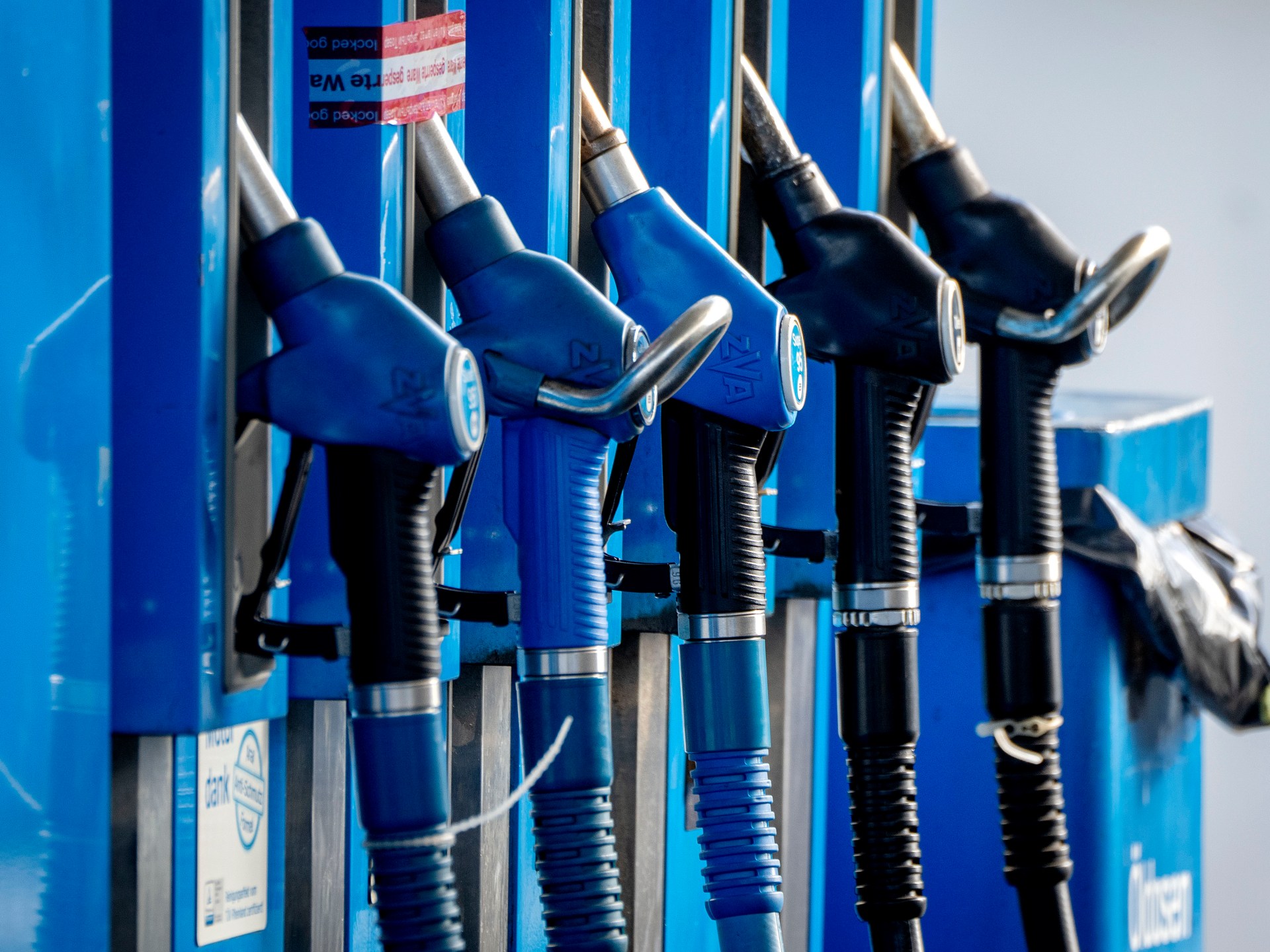
Indeed, market indicators underscore the urgency. Brent crude futures LCOc1 soared to $126.41 a barrel last Thursday. Simultaneously, average US petrol prices hit $4.33 per gallon, nearly double the cost before the conflict in Iran escalated. This persistent upward trajectory fuels inflation, a critical concern for US President Donald Trump as mid-term elections loom.
The president, whose approval ratings have seen a recent dip, remains steadfast in his prediction: “The gas will go down. As soon as the war is over, it’ll drop like a rock.”
Winners and Losers in a Shifting Landscape
The current squeeze has certainly created beneficiaries, particularly US oil and gas producers, who have enjoyed “unusual profits” throughout the conflict. However, Mazarei suggests these windfalls may soon face pressure as the UAE’s additional supply enters the market. Another is the robust US petrochemical sector, a global powerhouse alongside China and Saudi Arabia.
Petrochemicals, essential for everything from agriculture to electric vehicles, represent the fastest-growing source of oil demand. The disruption in oil flows from the Gulf has only solidified the United States’ position as the world’s largest oil producer. “The US is in a very advantageous position. The increase in US access to Venezuelan oil will improve the US position further,” Mazarei asserted.
This UAE OPEC exit is more than just an energy play; it’s a profound geopolitical signal. Rachel Ziemba views it as “a future sign and signal – one of openness to trade and interest in helping the world restock.” This move closely follows the UAE’s request for a currency swap line from the US last month, a “fundamentally political move” that signals burgeoning political and economic alignment between the two nations, according to Mazarei.
Could this be the beginning of a larger trend? The UAE OPEC exit potentially paves the way for other disgruntled OPEC members to reconsider their affiliation, which would further intensify downward pressure on oil prices. While Mazarei believes OPEC will likely endure, he anticipates it will emerge “in a weaker shape and effectiveness.”
Beyond oil, experts are closely monitoring the impact on the Gulf Cooperation Council (GCC). Mazarei raises a pointed question: “The question is, will the GCC survive?” Ziemba echoes this sentiment, anticipating more competition than cooperation in the region post-conflict. She concludes that the UAE’s decision reflects a broader trend of countries re-evaluating relationships for economic and security benefits, affirming the UAE’s continued role as a significant regional player.
For more insights into the broader global energy trends, visit the International Energy Agency website.