In a momentous diplomatic flurry, officials from the United States and Iran have convened for crucial direct talks in the serene Swiss Alps, just days after both nations inked a groundbreaking initial US Iran Peace Deal. This pivotal meeting aims to hammer out the intricate details of a permanent resolution, yet the path ahead remains fraught with peril, shadowed by lingering hostilities and deep-seated mistrust.
The preliminary accord, signed last week, sketches a broad blueprint for de-escalation. Key tenets include a commitment to finalize a comprehensive agreement within 60 days, a sweeping cessation of hostilities across “all fronts” – notably encompassing Lebanon – and the vital reopening of the Strait of Hormuz. A staggering $300 billion reconstruction package for Iran and the termination of all US sanctions were also part of this ambitious pact. However, the ink barely dried before fresh clashes erupted between Israel and Iran-backed Hezbollah in Lebanon, prompting Tehran to declare a temporary closure of the Strait, a critical artery for global oil shipments, despite tracking data suggesting continued passage of vessels.
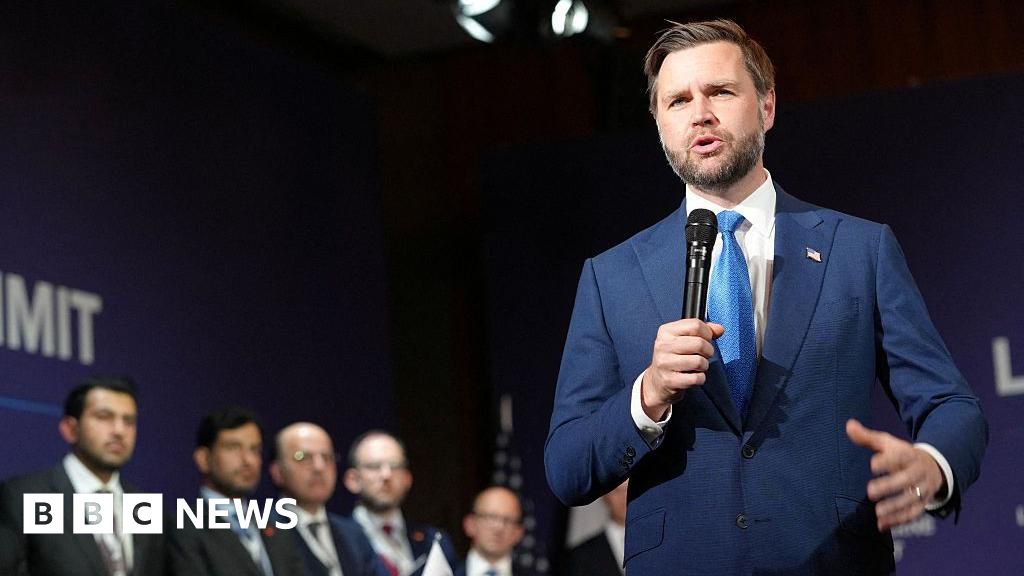
President Donald Trump, never one to mince words, took to social media post-talks, demanding Iran “immediately stop their highly paid PROXIES in Lebanon from causing trouble,” threatening to “hit Iran very hard again” if they failed to comply. Vice-President JD Vance, arriving at the picturesque Bürgenstock resort, articulated America’s hopes for advancements on “the nuclear issue” and the Lebanese conflict. He conveyed President Trump’s desire to “turn over a new leaf,” contingent on Iran abandoning its role as a “driver of regional instability” and its “nuclear weapons ambitions.” Iran, conversely, maintains its nuclear program is exclusively peaceful, with foreign ministry spokesman Esmaeil Baqaei asserting that a final US Iran Peace Deal hinges on Washington fulfilling its existing commitments, including an immediate halt to all military operations. Sunday’s discussions, Baqaei stressed, zeroed in on the nitty-gritty of implementation.
Navigating the Complexities of the US Iran Peace Deal
Despite the aspirations for peace, the regional landscape remains volatile. Since the initial agreement, Israeli airstrikes have tragically claimed at least 67 lives, while Hezbollah’s retaliatory actions have resulted in the deaths of five Israeli soldiers. Iran has accused the US and Israel of violating the agreed ceasefire. Amidst this simmering tension, Pakistan has emerged as a crucial intermediary, with Prime Minister Shehbaz Sharif and Field Marshal Asim Munir joining the high-level delegations in Switzerland. Their persistent engagement, spanning previous negotiation rounds, underscores the arduous nature of fostering enduring stability in such a deeply fractured region. Understanding the intricacies of these diplomatic efforts is crucial for grasping global stability. For more insights, one might consult resources on international relations.
The specter of Iran’s nuclear program, cited by the US as a primary driver of the conflict, looms large, its resolution still elusive. President Trump, during his first term, notably withdrew the US from the Obama-era nuclear agreement, reimposing crippling economic sanctions. The present US Iran Peace Deal endeavors to rewrite this fraught history, yet the continued bloodshed in Lebanon, even after a supposed ceasefire, highlights the immense challenges inherent in translating high-level diplomacy into on-the-ground reality.
As these critical talks unfold, the world watches with bated breath. Can these rival powers, guided by mediators and driven by an initial accord, finally forge a pathway to lasting peace, or will the persistent regional flashpoints derail this fragile new beginning?
About the Author