
US to shut five consulates as critics fear China could fill diplomatic vacuum
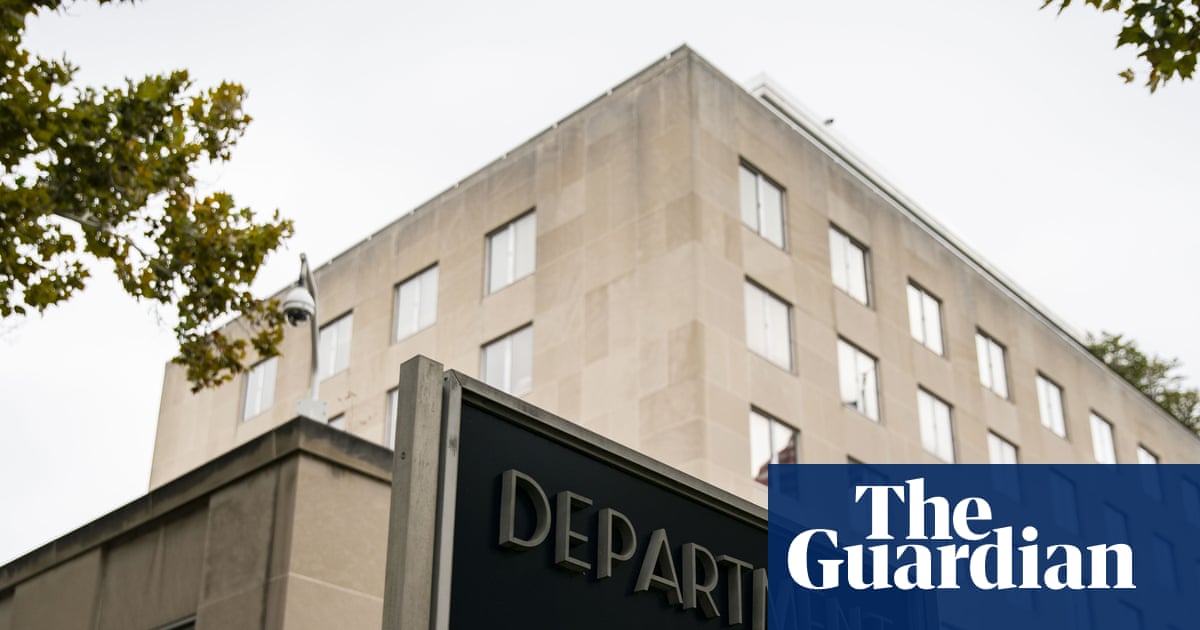
A seismic shift is underway in America’s global outreach, with the State Department announcing a wave of US consulate closures across multiple continents. This strategic realignment, affecting key diplomatic outposts, is igniting fierce debate and raising significant alarm among critics who fear the United States is willingly ceding influence, potentially creating a dangerous void for rival powers, particularly China, to exploit.
Congress has received formal notification of these impending shutdowns. Justified primarily on grounds of cost reduction, these actions represent the latest phase in a comprehensive reassessment of America’s international relationships, a process intensified since former President Donald Trump’s return to the White House in January 2025. This move isn’t an isolated incident; it follows last year’s extensive reduction in State Department personnel, where over 1,300 employees were dismissed, including 246 foreign service officers.
Understanding the Impact of US Consulate Closures
The ax will fall on missions in five distinct locations: St George’s, Grenada; Nagoya, Japan; Medan, Indonesia; Douala, Cameroon; and Winnipeg, Canada. Secretary of State Marco Rubio continues to oversee these significant cutbacks in diplomatic operations. The situation is further compounded by the fact that more than half of the 195 ambassadorial posts worldwide remain unfilled, including critical roles in nations like Germany, Cuba, and Saudi Arabia. You can explore a detailed list of these unfilled ambassadorial positions.
Democrats have been quick to condemn the planned US consulate closures, articulating a stark warning. Senator Jeanne Shaheen, a leading Democrat on the Senate foreign relations committee, minced no words: “China has a diplomatic presence in three of the five locations where the State Department is closing shop, and Beijing is going to exploit that new vacuum to undercut American interests.” She further questioned the rationale, highlighting that the operational costs of these facilities constitute a mere fraction of the department’s annual budget.
The decision to close the Winnipeg consulate, in particular, has drawn sharp rebukes from Canada, a nation recently hit by Trump’s imposition of 50% tariffs on various goods. The Winnipeg consulate, established in 2001, has been instrumental in fostering trade and investment, especially within Manitoba. Brad Kirbyson, a former political specialist who dedicated two decades to the consulate, voiced his concern to Canadian broadcaster CBC. He argued that while the closures might save a few dollars, the ultimate cost would be a significant loss of connection with a broad swathe of Canada.
“It makes a lot of sense to have a consulate in the middle of the country that can cover issues in this part of the world,” Kirbyson stated, emphasizing the logistical challenges of relying solely on missions in Calgary or Toronto. A Canadian embassy spokesperson affirmed the long-standing collaboration between the two nations through their respective foreign offices, hinting at underlying displeasure.
It’s noteworthy that while China lacks a diplomatic presence in Winnipeg, it maintains missions in St George’s, Nagoya, and Medan – three of the other affected locations. The US mission in St George’s holds full embassy status, while the Douala facility operates as an “embassy branch office.”
A State Department spokesperson, in a characteristically guarded statement, confirmed adherence to congressional notification procedures for post closures. They emphasized a commitment to an “efficient, effective” diplomatic footprint that “delivers results for the American people.” However, this narrative contrasts with reports that the White House’s Office of Management and Budget had advocated for an even more aggressive reduction, suggesting up to 30 foreign missions be shut down.
National security and foreign policy experts, alongside Democratic lawmakers, continue to argue that such expansive withdrawals will critically diminish America’s global influence. This concern grows exponentially when considering last year’s drastic restructuring of USAID, the primary overseas development body, which saw its size significantly curtailed before being absorbed into the State Department. The cumulative effect of these actions, they warn, could dangerously undermine America’s strategic positioning on the world stage, leaving critical diplomatic gaps for others to fill.