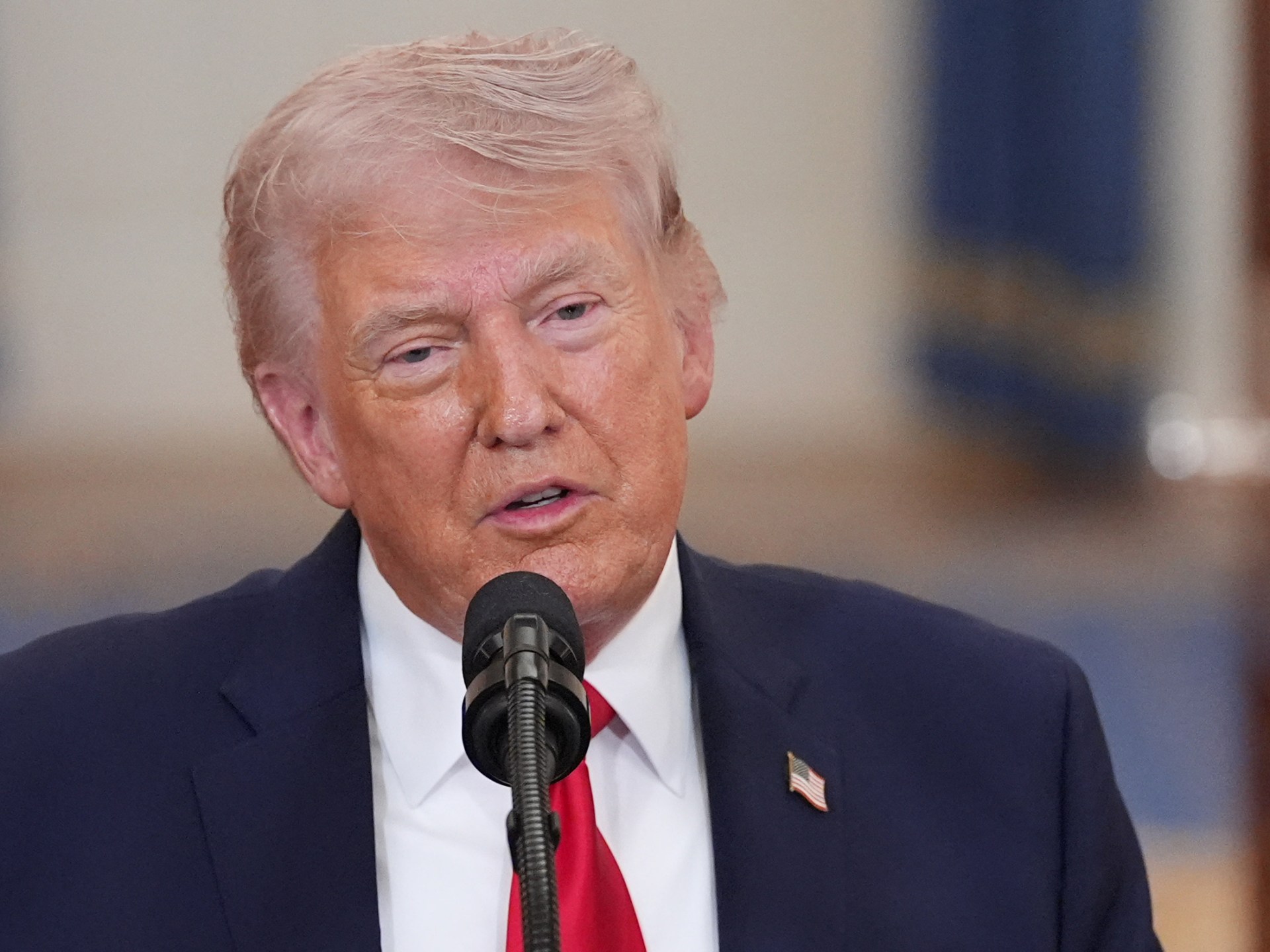
President Donald Trump has dramatically intensified pressure on Tehran, issuing a startling Iran ultimatum: a mere 48 hours to either forge a comprehensive deal or ensure free passage through the strategically vital Strait of Hormuz. This latest pronouncement, delivered via social media, conspicuously omitted any direct reference to the ongoing frantic search for a US pilot, believed to have ejected over Iranian territory after an F-15 fighter jet crashed, an incident Iran claims responsibility for. The silence on the pilot’s fate raises critical questions about the administration’s immediate priorities amidst escalating regional tensions.
Trump’s brief, three-sentence post on Truth Social on Saturday did not detail the implications of this new deadline, but it follows a prior ten-day demand issued on March 26. That earlier warning stipulated Iran must open the Strait of Hormuz to international traffic, failing which it would face the “destruction” of its energy infrastructure. “Remember when I gave Iran ten days to MAKE A DEAL or OPEN UP THE HORMUZ STRAIT,” Trump wrote, “Time is running out – 48 hours before all Hell will reign down on them. Glory be to GOD!” The initial ten-day period is set to expire on Monday.
The Mounting Iran Ultimatum and Stalled Diplomacy
The urgency of this Iran ultimatum resonates particularly loudly against a backdrop of escalating military incidents. A day prior to Trump’s post, Iran claimed it shot down an A-10 Warthog near the Strait of Hormuz, further challenging the US President’s earlier assertions of American air dominance over Iranian airspace. This string of events injects profound complexity into an already volatile situation, making any potential diplomatic pathway exceedingly precarious.
Throughout the week, Trump has issued a barrage of threats, pledging to attack Iran’s power plants, oil facilities, and even desalination plants. During a televised national address, he famously threatened to bomb Iran “back to the Stone Ages.” Such rhetoric, coupled with cheering a strike on a bridge connecting Tehran to the Caspian Sea, has drawn international condemnation. Just this week, over 100 international law experts warned that targeting civilian infrastructure constitutes a violation of the Geneva Conventions and could amount to war crimes.
Despite the belligerent tone, the Trump administration has presented shifting objectives for ending the conflict, often reiterating a preference for diplomatic solutions even as Trump himself touts “victories” and hints at weeks more of attacks. Contradictory messages have also emerged from Tehran. Iranian Foreign Minister Abbas Araghchi affirmed Tehran’s openness to diplomacy on Saturday, despite rejecting an “unreasonable” 15-point plan from the Trump administration. He stated, “What we care about are the terms of a conclusive and lasting END to the illegal war that is imposed on us.” However, the US maintains that Iran’s demand for “sovereignty” over the Strait of Hormuz remains a non-starter in any negotiation, adding layers of intricacy to any peace talks. Pakistan continues its efforts to broker a ceasefire amidst these significant obstacles.
Pilot’s Fate: A Looming Crisis
The ongoing search for the downed US pilot, though unaddressed by Trump publicly in his latest statements, is a critical subplot. NBC News reported that Trump privately dismissed the incident’s impact on negotiations, reportedly stating, “No, not at all. No, it’s war.” However, experts warn that Iran’s potential capture of the pilot could ignite a severe crisis for Washington, providing Tehran with substantial leverage capable of derailing any diplomatic resolution. Such an incident could also profoundly undermine American claims of dominance in negotiations and airspace.
Marina Miron, a King’s College London researcher, highlighted to Al Jazeera that the F-15 downing directly contradicts previous statements from Trump and Pentagon chief Pete Hegseth regarding complete US control over Iranian airspace. “Now we have a visible example that Iran still has the capability to target and successfully shoot down US aircraft, making this, of course, very important for Iran to demonstrate the capability to resist,” Miron explained. She added that locating Iran’s air defenses, such as man-portable systems, would prove challenging. The possibility of US rescue efforts risking further casualties only heightens the stakes; “It’s a race for time, because right now we have this critical window of up to 72 hours where both sides are trying to get hold of the pilot for both military and political purposes,” Miron concluded. The stakes of this Iran ultimatum are undeniably high.
About the Author