A chilling ultimatum hangs heavy over the Middle East as US President Donald Trump issued a stark warning to Iran: reopen the vital Strait of Hormuz or face devastating military action. The extraordinary declaration, made just hours before a critical Iran deadline, has sent shockwaves across the globe, escalating tensions to an unprecedented pitch.
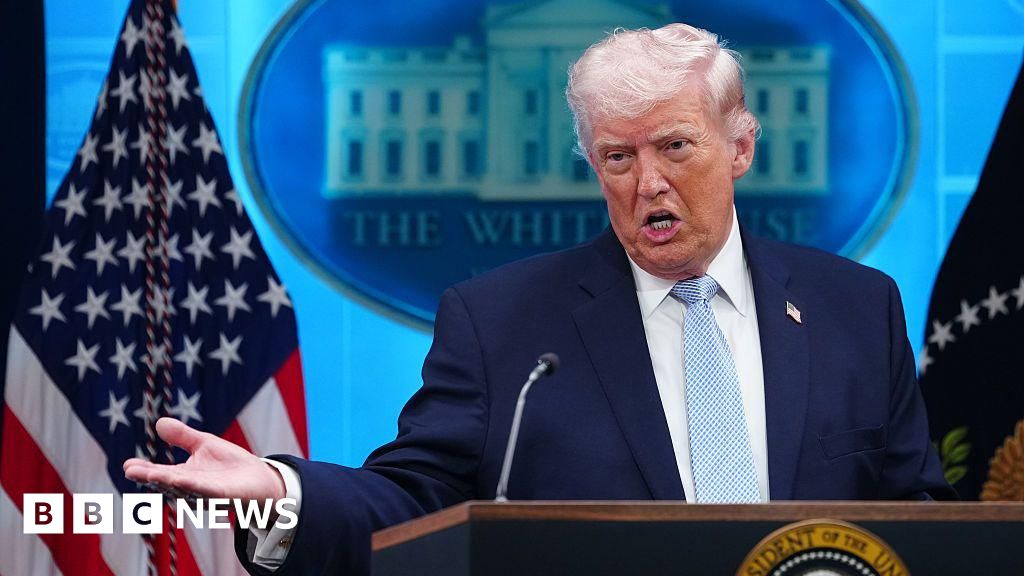
Speaking from the White House, Trump asserted that if Tehran fails to comply with his demands for an “acceptable” deal – crucially, one ensuring the unimpeded flow of energy through the Gulf – the consequences would be dire. “The entire country can be taken out in one night,” he proclaimed, underscoring the gravity of Tuesday’s 20:00 EDT (01:00 GMT) cut-off. After this point, he vowed, Iran would be cast back to the “Stone Ages,” stripped of essential infrastructure like bridges and power plants.
The Iran Deadline Looms, Tensions Soar
Despite the severity of his threats, President Trump expressed a perplexing optimism, suggesting he believed “reasonable” Iranian leaders were negotiating in “good faith.” This sentiment emerged even as US and Israeli strikes have targeted high-ranking Iranian officials, and Tehran itself has staunchly rejected ceasefire proposals, instead demanding an immediate end to hostilities, reconstruction aid, and the lifting of sanctions. The very notion of meaningful progress in such talks seems elusive without an initial cessation of conflict, a regional official conceded, pointing to severe communication blackouts hindering effective diplomacy.
The president’s fiery press conference, held alongside General Dan Caine and Defence Secretary Pete Hegseth, followed the successful recovery of two F-15 crew members downed in southern Iran. While celebrating this “heroic” rescue, Trump pivoted sharply back to his core warning: unleash the US military on Iran’s energy and transportation arteries if the Iran deadline is unmet.
Concerns over the legality of such widespread infrastructure attacks quickly surfaced. Legal experts, including a former Obama-era National Security Council advisor, unequivocally declared that “obliterating all power plants” or employing coercive actions against a civilian populace to force negotiations would be “flatly illegal,” potentially constituting war crimes. Trump, however, brushed aside these worries, asserting that Iran’s population would be “willing to suffer to have freedom,” even if regime change wasn’t his stated goal.
Amidst this geopolitical maelstrom, Trump also launched into renewed criticism of key US allies. He chastised the UK, NATO, and South Korea for what he perceived as their failure to support US efforts, stating that NATO’s inaction would be an indelible “mark” on the alliance. He even added, with characteristic bluntness, that the US “does not need” the UK.
As the clock ticks down towards the pivotal Iran deadline, the region holds its breath. American forces have already executed over 13,000 strikes across Iran since the conflict’s inception, as reported by US military’s Central Command. The strategic importance of the Strait of Hormuz, a crucial corridor for key global energy chokepoints, underscores the high stakes involved in this unfolding drama.
About the Author