
‘We Will Entertain’: SC Agrees To Hear Petitions Against Police Action On Student Protesters
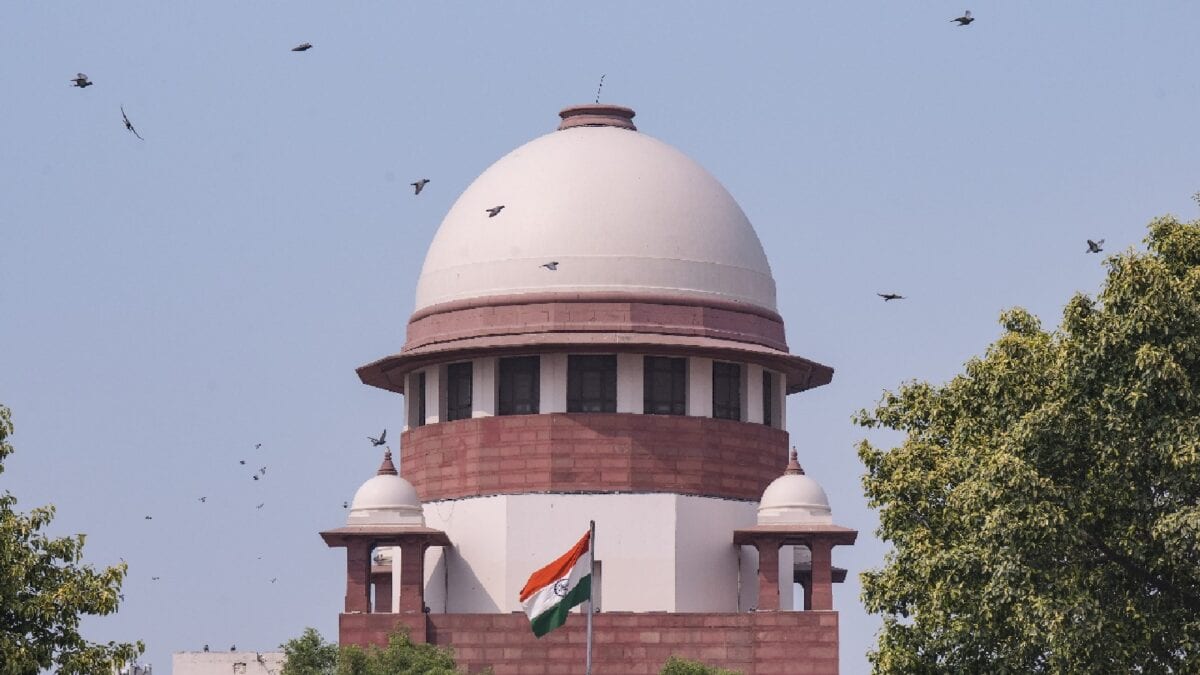
In a significant development, the Supreme Court of India has agreed to entertain two critical petitions concerning alleged excessive police action students have reportedly endured during widespread protests. These demonstrations, primarily focused on recent examination paper leaks, have seen students gather at Jantar Mantar and various other locations nationwide. The apex court is slated to address these urgent pleas on Monday, a decision that has resonated across the nation.
Supreme Court Intervenes on Police Action Against Students
The matter gained immediate traction this afternoon when Senior Advocate Gopal Sankaranarayanan brought it before a bench presided over by Chief Justice of India Surya Kant. Emphasizing the gravity and daily recurrence of alleged abuses, Sankaranarayanan passionately articulated the necessity for judicial intervention. “There are two petitions dealing with the violence that took place across the country on the students’ protest,” he informed the court, adding that formal filing awaited diary numbers, which have now been secured.
Sankaranarayanan underscored a harrowing reality: “There is urgency because this is happening on a daily basis. Police is using excessive force against children. It is just going on unabated. Some controls are necessary. The Court stands between us and the police.” His plea painted a vivid picture of the relentless challenges faced by young protestors, demanding an immediate judicial gaze upon the purported overreach of law enforcement. Such severe police action students have reported highlights a concerning trend in protest management.
Responding to the fervent appeal, Chief Justice Kant affirmed the court’s readiness to hear the matter. “Let it be listed, we will entertain,” he declared, acknowledging the immediacy of the situation. Subsequently, the Chief Justice directed that the petitions be formally listed for a hearing on Monday, promising a swift judicial review of the serious allegations.
This isn’t the first time protest-related pleas have reached the judicial doors. Just days prior, on July 22, the Chief Justice had declined a letter petition concerning alleged police force at Jantar Mantar. Simultaneously, the Delhi High Court had also sought a response from the Delhi Police regarding similar actions. The unfolding legal narrative underscores the ongoing dialogue between protest rights and state authority, urging closer examination of police action students encounter. For a broader understanding of constitutional safeguards and civil liberties, relevant legal frameworks are often consulted.