
What would a US diesel export ban mean for global fuel prices?
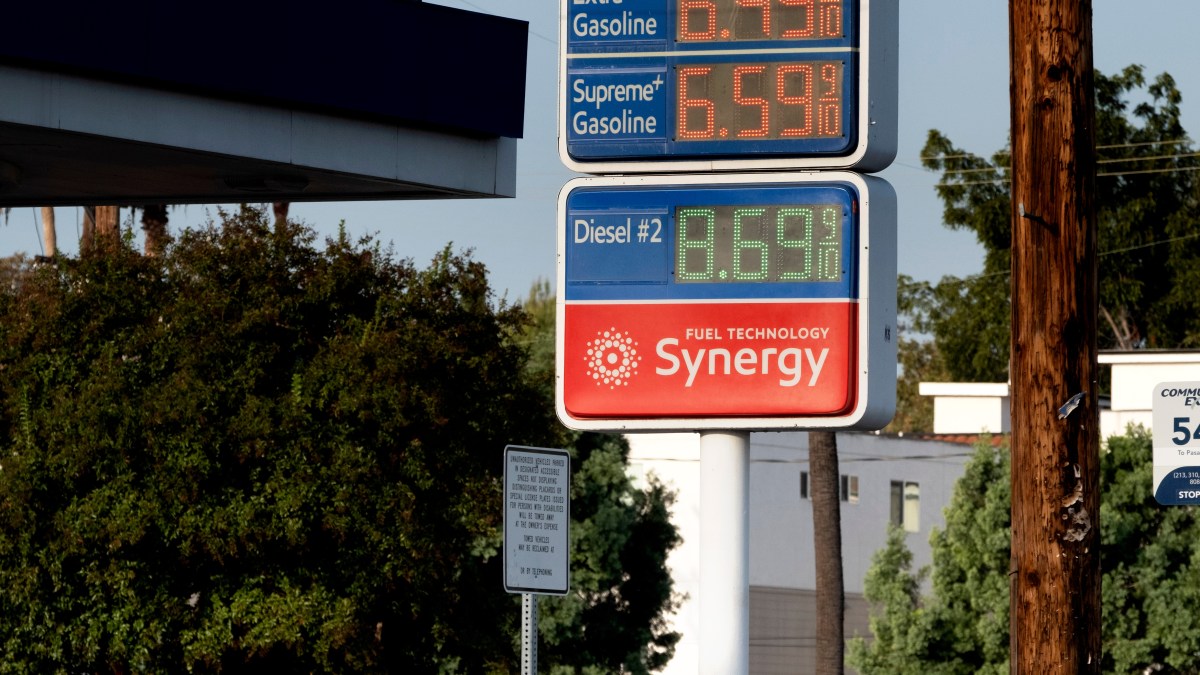
As global fuel markets face unprecedented volatility, the administration of US President Donald Trump is actively considering a US diesel export ban to curb surging costs at home. With the national average price for diesel hitting $6.50 per gallon, the political pressure is mounting ahead of the upcoming midterm elections. Voters have cited the rising cost of living as their primary concern, placing the energy sector at the center of a heated national debate.
While policymakers view restricting outbound shipments as a way to prioritize domestic needs, energy experts remain deeply skeptical. The core issue lies in the interconnected nature of the global energy market. The U.S. Energy Information Administration reports that domestic inventories have plummeted to their lowest levels in over forty years, creating a supply crunch that cannot be easily fixed by policy shifts alone.
The Risks of a US Diesel Export Ban
Restricting fuel movement across borders is a blunt instrument that could trigger unintended economic consequences. Industry analysts from firms like Wood Mackenzie argue that keeping supply stateside may cause domestic refineries to scale back production if they cannot access the lucrative international market. If refiners choose to reduce their output, the intended drop in prices could ironically turn into a nationwide fuel shortage, further complicating the economic landscape.
This dilemma is particularly acute for the logistics and shipping industries. Diesel is the lifeblood of freight transportation, meaning that any policy shift that fails to lower prices could significantly raise the cost of food and essential goods. The struggle to balance immediate electoral needs with long term energy stability is described in our deep dive on executive and administrative power struggles, which often dictate how these massive industrial shifts are managed.
Furthermore, the geopolitical environment continues to disrupt supply chains. Ongoing conflicts in Eastern Europe and the Middle East have damaged key infrastructure, specifically refineries that once supplied large portions of the global market. With these major producers offline or hindered by war, the international community relies more heavily on American production to fill the void. An aggressive US diesel export ban could force Latin American and European nations to bid aggressively for whatever fuel remains available on the global stage, effectively pushing prices even higher for everyone involved.
Why Voluntary Restrictions Are More Likely
Rather than a formal, rigid ban, the White House is exploring a more measured approach. Officials have hinted at voluntary quotas or targeted incentives for refiners to maintain high levels of production. By utilizing a strategy of incentives, the government hopes to stabilize the domestic market without causing the logistical collapses predicted by critics of an outright embargo. As the political calendar moves toward the midterms, the administration is juggling the intense demand for relief with the stark reality that energy is a global commodity that does not always respect national borders.
Ultimately, experts suggest that the most effective way to lower prices is not through trade intervention, but by finding long term solutions to the underlying supply constraints. Until the global supply gap is bridged, a US diesel export ban remains a highly debated, potentially risky, and fundamentally controversial tool in the current International Energy Agency climate.