
Iran offers US deal to reopen Strait of Hormuz in seven days
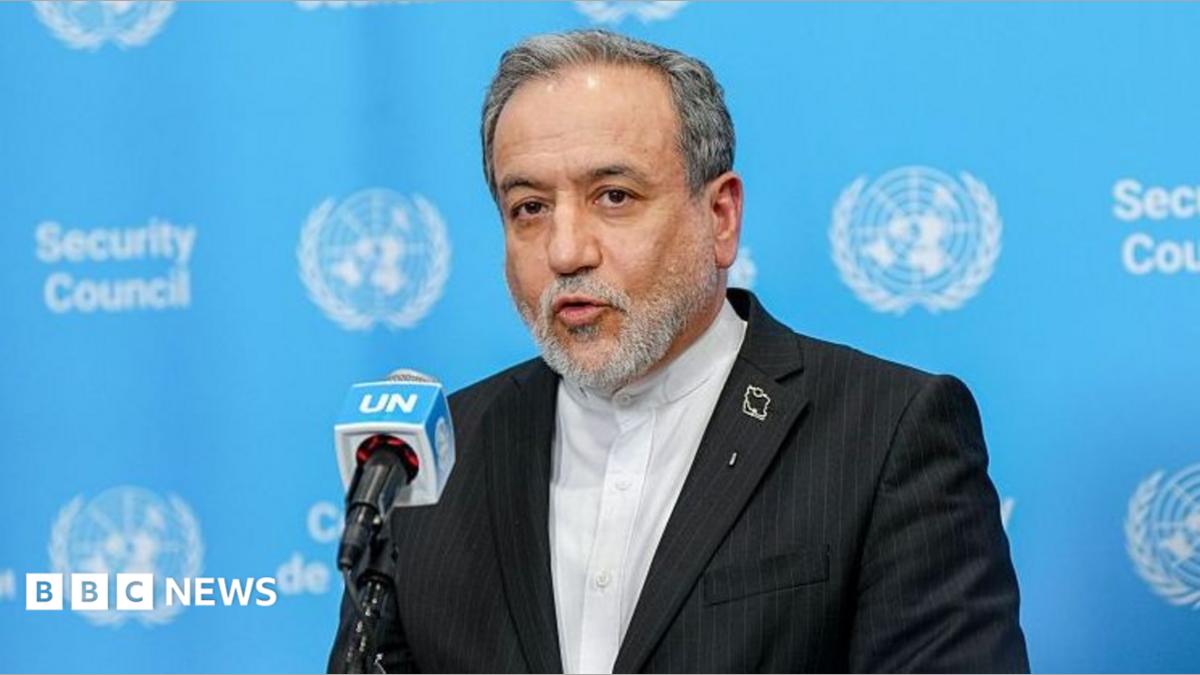
In a volatile geopolitical landscape, the potential for stability in energy markets has flickered to life. Iranian Foreign Minister Abbas Araghchi recently signaled a possible breakthrough, stating that his country has proposed a formal deal to the United States aimed at reopening the Strait of Hormuz within a seven-day window. This development comes as international leaders gather at the United Nations in New York, seeking to deescalate a conflict that has severely impacted global trade and oil logistics.
Araghchi clarified that the reopening of the Strait of Hormuz is contingent upon the United States honoring specific conditions previously outlined in a June memorandum of understanding. While the specific nature of these conditions remains partially obscured by diplomatic secrecy, the message from Tehran is clear: the path to normalcy is ready, provided the necessary political will exists on the other side of the negotiating table. The proposal was reportedly transmitted to American officials via Qatari intermediaries, highlighting the crucial role regional allies continue to play in this high-stakes dialogue.
The Geopolitics of the Strait of Hormuz
The Strait of Hormuz serves as a vital artery for the world’s energy supply, with nearly 20 percent of global oil and liquefied natural gas passing through its waters during peacetime. Since the escalation of hostilities in late February, when military engagements between the US, Israel, and Iran led to a closure of the passage, energy markets have experienced turbulent price fluctuations. As the United States approaches critical Congressional elections in November, the economic fallout from this bottleneck has intensified pressure on the current administration to secure a diplomatic solution.
The memorandum signed on June 18 was intended to foster a sustainable ceasefire. Its 14-point framework included provisions for sanctions relief, the cessation of naval blockades, and a commitment from Iran to facilitate the safe passage of commercial vessels. However, trust between the parties remains fragile, as both sides have intermittently resumed military operations. You can learn more about how international trade tensions influence broader economic policies in our guide on global fuel prices.
Stalemate and Strategic Maneuvering
Despite the optimism surrounding the latest proposal, the US government maintains a cautious, and arguably detached, posture. A US official recently remarked that the country remains in a strong position, suggesting there is little urgency to rush toward an agreement that does not fully align with American security requirements. This sentiment echoes broader concerns about the influence of global power dynamics on superpower rivalries.
Adding another layer of complexity to the region is the intensification of Houthi activity in the Red Sea. Recent reports indicate that the group has seized significant coastal stretches in Yemen, further threatening oil export routes. With the situation evolving rapidly, the global community watches closely to see if the proposed seven-day window will be utilized for actual diplomacy or if it will evaporate into another round of public brinkmanship.