
Delhi Likely To See Post-Monsoon Rain Over Next 3 Days, IMD Issues Yellow Alert
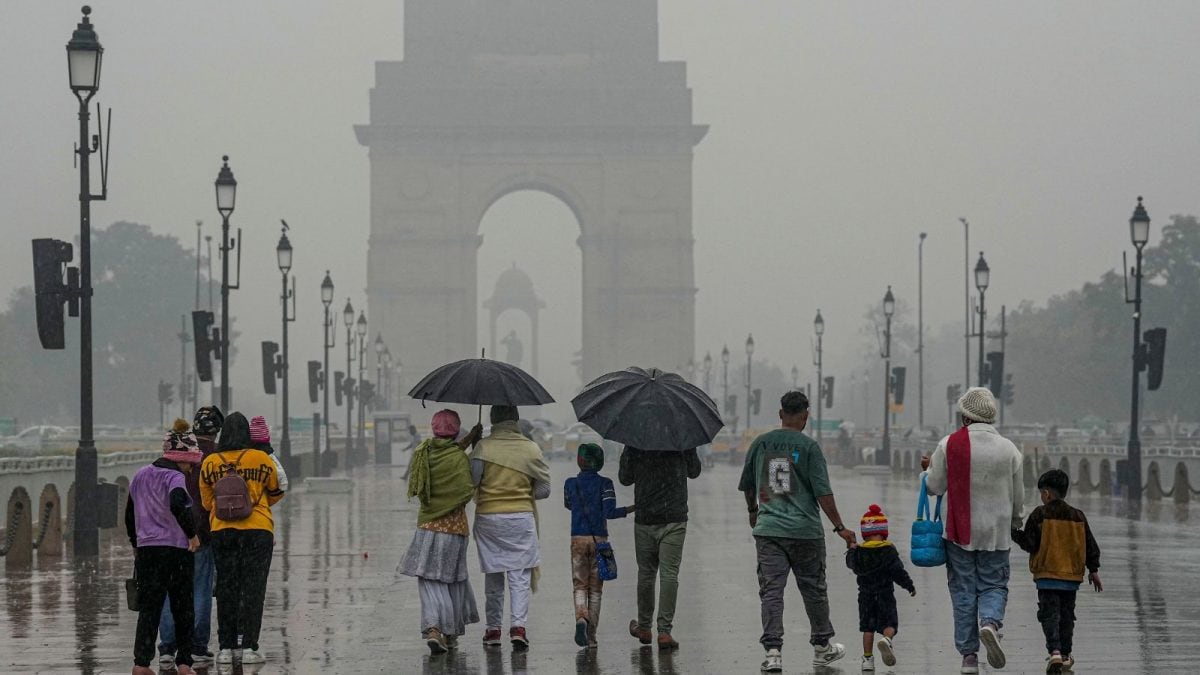
Delhi residents should prepare for a sudden shift in weather patterns this week as the India Meteorological Department (IMD) has issued a post-monsoon rain alert. After witnessing an uncharacteristically early withdrawal of the southwest monsoon on September 23, the national capital is bracing for a fresh round of light to moderate showers. This atmospheric shift, expected to persist through Saturday, Sunday, and Monday, provides a reprieve from the late-September heat that has been lingering over the region.
Understanding the Post-Monsoon Rain Forecast
The current weather disturbance is primarily driven by a depression moving from Chhattisgarh and Madhya Pradesh toward Uttar Pradesh. Meteorologists explain that this system is interacting with a weak western disturbance, which is creating favorable conditions for moisture-laden clouds to drift over Delhi-NCR, Punjab, Haryana, and northern Rajasthan. While areas in Uttarakhand and northwest Uttar Pradesh are anticipated to bear the brunt of heavier rainfall, Delhi is expected to see gusty winds reaching speeds of up to 30 kmph, accompanied by localized thunderstorms.
The impact of these weather systems is significant for the city, which recently concluded a monsoon season that saw 728.6mm of rainfall at the Safdarjung base observatory. This figure sits approximately 16% above the long-period average, underscoring a season of heavy precipitation. For more on the broader implications of these shifts, you can read about global climate challenges as extreme weather becomes more frequent worldwide.
Air Quality and Future Trends
Beyond the immediate relief from heat, there is cautious optimism regarding the city’s air quality. Delhi’s Air Quality Index (AQI) was recorded at 78 on Friday, placing it firmly in the satisfactory category. This post-monsoon rain is expected to help delay the accumulation of particulate matter that typically precedes the onset of the winter pollution season. However, experts warn that this is a temporary fix. You can find detailed analysis on the environmental impact of industrial regulations in our report on changing fuel demands and global prices.
Meteorologists emphasize that these cooler conditions are not an early indicator of winter. Once the current weather system passes, temperatures are likely to climb back to seasonal norms. Furthermore, climate scientists are closely monitoring the Pacific, where a strengthening El Nino could potentially disrupt rainfall patterns in the coming weeks. A potential lack of soil moisture, combined with increased dust, could exacerbate air quality issues later in the season if the moisture levels do not remain consistent.
Residents are advised to monitor official IMD updates closely, as the yellow alert reflects a dynamic situation. While the post-monsoon rain acts as a natural cleanser for the city’s smog, the long-term outlook remains sensitive to larger oceanic shifts. As always, staying informed through verified weather sources remains the best way to plan for the upcoming days.