
Congress MP Calls Sonam Wangchuk ‘Anna Hazare Part 2’ After He Breaks Hunger Strike, BJP Hits Back
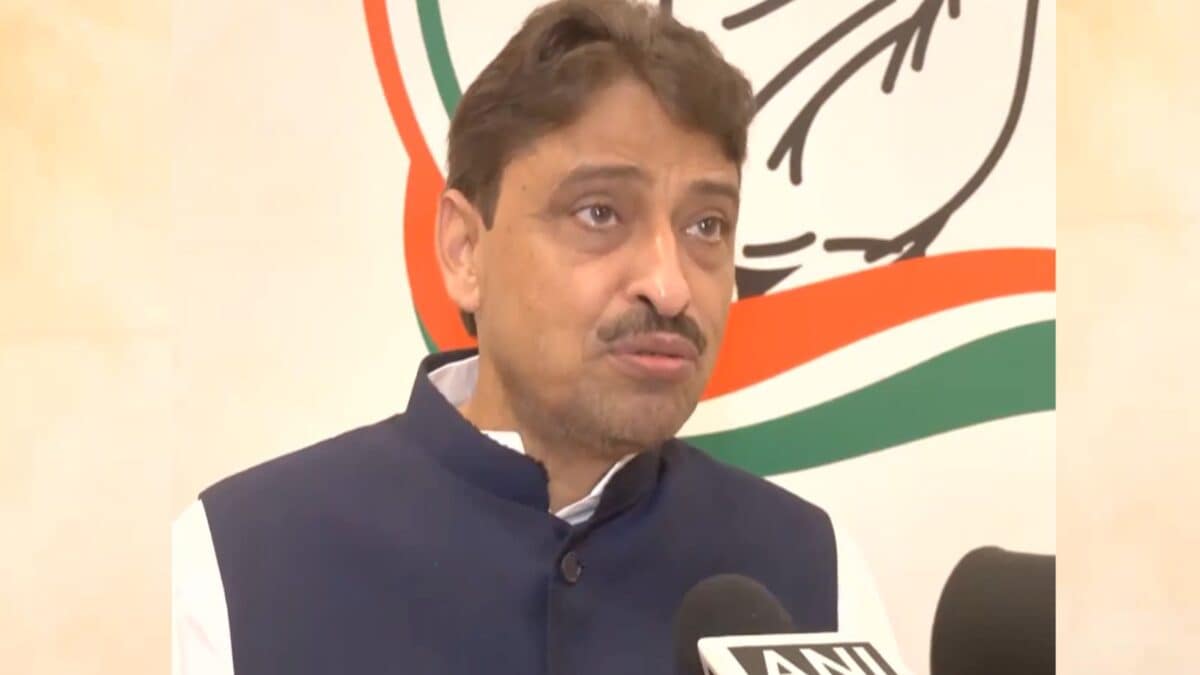
Renowned education reformist and activist Sonam Wangchuk recently concluded his nine-day hunger strike, a move that immediately ignited a political firestorm. His decision, following assurances from the Centre regarding his demands, prompted Congress MP Imran Masood to label him “Anna Hazare Part 2,” triggering sharp criticism from the BJP.
The Controversial ‘Anna Hazare Part 2’ Jibe at Sonam Wangchuk
Masood’s remarks were nothing short of scathing. “He is Anna part two. For 12 years, esteemed social activist Anna Hazare has remained silent, and now Sonam Wangchuk will remain silent.” The Congress leader didn’t stop there, brazenly suggesting a “personal deal with the government” struck by Wangchuk. One might ponder, where were the students in this alleged negotiation? Such allegations certainly cast a shadow over the motivations behind the activist’s fast.
BJP Slams Congress for ‘Insulting’ Wangchuk
Swift and vehement was the counter from BJP National Spokesperson Shehzad Poonawalla. He condemned Congress’s comments, asserting the party had “crossed all limits” in questioning Sonam Wangchuk’s integrity. Poonawalla emphasized the Centre’s proactive engagement with protesters, stating that Congress’s accusations were merely a “fight of credit, not fight of pupils and students.” He further accused Rahul Gandhi of political opportunism, failing to genuinely support the student movement.
Meanwhile, Abhijeet Dipke, founder of the Cockroach Janta Party (CJP), whose representatives met with Union ministers, staunchly defended the movement. He asserted it belonged to the nation’s youth, transcending political affiliations. “The youth of this country will take this movement forward, and it is not going to weaken in any way,” Dipke declared. This stance highlights the broader, non-partisan nature some wish to maintain for these advocacy efforts.
Sonam Wangchuk had undertaken his indefinite fast primarily protesting the alleged NEET-UG 2026 paper leak and advocating for comprehensive examination reforms. His resolve softened only after Union Ministers J.P. Nadda and Jitendra Singh confirmed the government’s acceptance of two key CJP demands and assured action on the third. The conclusion of his fast marks a temporary lull in the immediate protest but opens a new chapter in the political sparring over student grievances and governmental responsiveness.