
Trump takes swipes at press during White House Correspondents’ Dinner
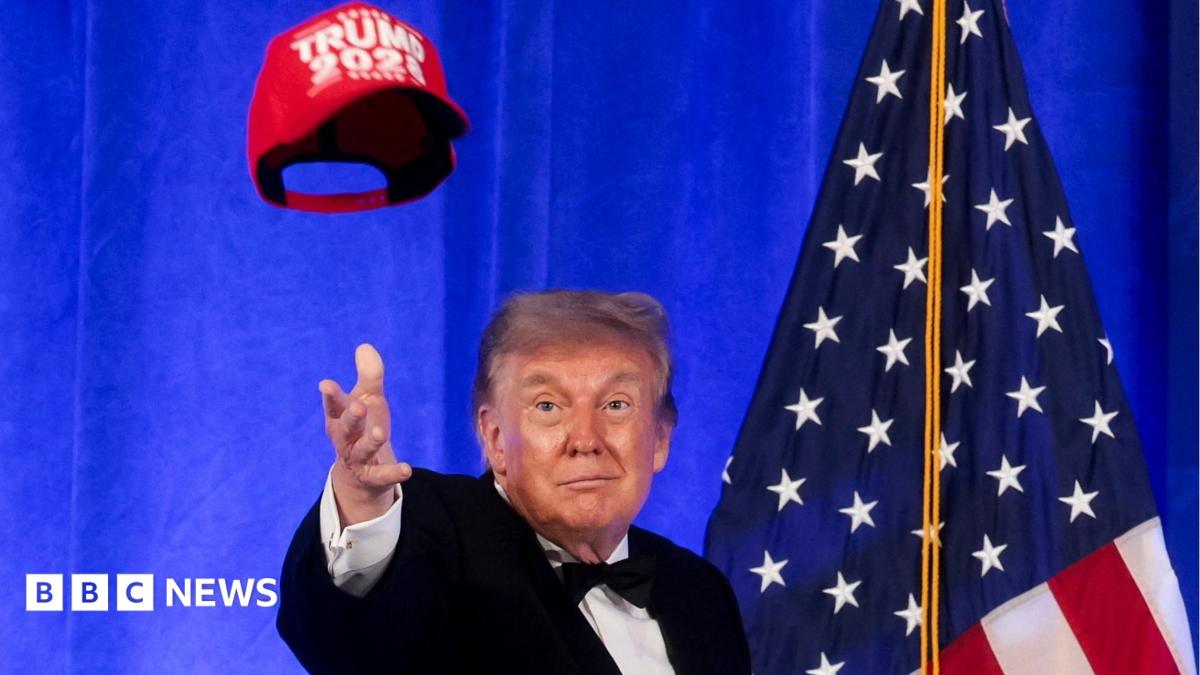
A palpable tension filled the air as U.S. President Donald Trump attended the White House Correspondents’ Association (WHCA) dinner, an event traditionally celebrating press freedom, yet now shadowed by recent events. This rescheduled gala, dubbed by many as the second **Trump Press Dinner**, occurred just three months after a harrowing shooting incident forced the cancellation of the original gathering. President Trump, despite sitting among journalists from outlets he has publicly feuded with—even sued—such as The New York Times, CNN, and The Wall Street Journal, unleashed a torrent of sharp criticisms aimed squarely at the assembled media.
While initial remarks from the president struck a notably lighter chord, replete with a quip that “the second time is always better” and a declaration of respect for “most” journalists, the mood swiftly soured. Trump wasted no time in unleashing barbs, targeting what he called “fake news” and accusing many in the room of suffering from “Trump Derangement Syndrome.” He appeared in good spirits, even tossing a red “Trump 2028” cap into the air, playfully suggesting a run for a third (and later, a fourth) term, a notion playfully at odds with the 22nd Amendment’s two-term limit.
Unpacking the Trump Press Dinner
The decision to hold this year’s event at the Waldorf Astoria, miles from the Washington Hilton—the scene of April’s violence—came after widespread criticism regarding security lapses. Weijia Jiang, the outgoing WHCA President, assured attendees that the dinner would return to the Hilton next year, defiantly stating her refusal “to let an act of violence have the final word.” Indeed, Secret Service Officer Victor Gonzalez, who was shot during the April incident, received a commendation from President Trump himself for his heroic actions that night.
Throughout the evening, which saw a significantly reduced attendance compared to its predecessor, Trump continued his distinctive blend of jest and pointed insult. He suggested the news industry would “be broke” without his presidency to report on. Yet, amidst the contentious remarks and direct attacks on various journalists present, the president also underscored the importance of free speech. “We settle our differences not with bullets, but with open and vigorous debate,” Trump affirmed, adding, “And no deranged loser with a gun will ever change that. We can’t let that ever happen.”
This particular **Trump Press Dinner** unfolded against a backdrop of persistently fraught relations between the White House and the media. Just the previous week, President Trump had threatened to revoke the licenses of several US networks over their decision not to broadcast a primetime speech concerning election security. Security at the Waldorf Astoria was visibly heightened, with multiple blocks around the venue cordoned off and guests undergoing stringent double-screening and identity checks, underscoring the lingering apprehension following the April attack, for which 31-year-old Cole Tomas Allen faces charges of attempting to assassinate the president.
For further insights into the relationship between the press and the executive branch, consider exploring the history of the White House Correspondents’ Association.