
‘Limited options’ for many Iranians as war with US chokes economy
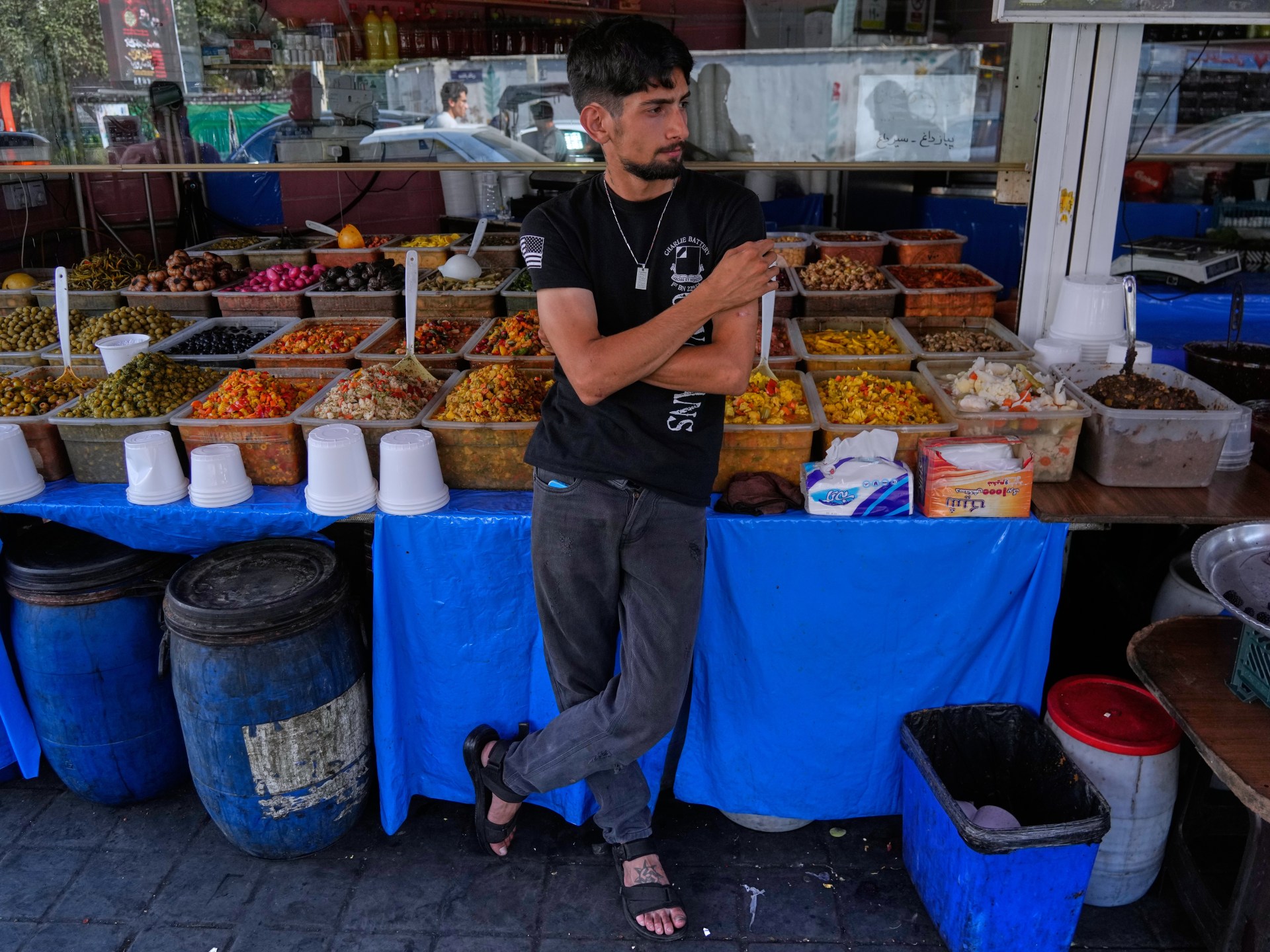
TEHRAN, Iran – The streets of Tehran buzz with an undercurrent of desperation. Months of intense conflict with the United States, coupled with a suffocating naval blockade, have plunged the Iranian economy into a profound crisis, leaving millions grappling for survival. Prices soar, jobs vanish, and a palpable sense of dismay permeates daily life across the nation.
Saeed, a 26-year-old elementary school teacher with a master’s degree in Persian literature, epitomizes this struggle. “You take one look at the condition of job postings online or in person, and you will understand why some young people feel like it’s not even worth it going out for work,” he lamented to Al Jazeera. “But the expenses don’t go away.” His search for better-paying employment is a stark reminder of the limited opportunities now available.
The Crushing Weight on the Iranian Economy
For many, basic survival has become an arduous daily quest. Teachers, cashiers, and salespeople often earn less than 200 million rials ($107) monthly, with some wages dipping even below the basic minimum of 166 million rials ($88). Employers, keenly aware of the dire straits, demand grueling 12-hour, six-day work weeks, frequently without insurance, and invent excuses to deduct pay. Such conditions underscore the precarious position of countless Iranians, forcing them to accept any work, regardless of qualifications or experience, simply to put food on the table.
The cost of living has become astronomical. A kilogram of lamb consumes 10 percent of a minimum wage earner’s entire monthly income. Ten kilograms of Iranian rice devours more than a fifth. These figures barely scratch the surface, ignoring rapidly escalating housing costs, utilities, transit, and healthcare. When the government approved a 60-percent hike in the basic minimum wage last March – a move fraught with the risk of further inflation – the estimated cost of a subsistence package for an average 3.3-person household had already hit 430 million rials ($230).
These economic shockwaves are not new. They intensified following the United States-Israel war on Iran and two state-imposed internet shutdowns, including one during the nationwide protests in January that claimed thousands of lives. These recent traumas compounded systemic woes rooted in decades of corruption, mismanagement, and relentless US and United Nations sanctions. While the nation’s resource-rich economy, with its 92 million citizens, has developed a degree of diversification and self-sufficiency over the years, the direct impact of current sanctions and war is undeniable.
The statistical center of Iran reported a staggering year-on-year inflation of 88 percent at the end of July. Food inflation alone surged to over 128 percent compared to the previous year, meaning the same basket of groceries now costs nearly two and a quarter times more. Specific categories reveal even more chilling figures: oils and fats saw a 261 percent increase, milk, cheese, and eggs jumped 147 percent, and meat and poultry rose 145 percent. Such price surges haven’t been witnessed in over eight decades.
Jobs, meanwhile, evaporated across most industries throughout 2026. Youth unemployment soared to 23.4 percent in the spring, a 3.7 percent year-on-year increase. Overall unemployment stood at 9.1 percent, but a mere 40 percent labor participation rate indicates a vast informal workforce, struggling outside official channels. Even business owners feel the pinch. Yashar, 38, co-owns a grocery in Lahijan and rents out a small shop, yet finds his family constantly short of cash. “Business at the shop is terribly slow. We’re always falling short of the money we need for the next purchase of goods to sell,” he explained.
President Masoud Pezeshkian acknowledged the escalating costs for his cash-strapped government due to the war and naval blockade. “We could sell oil, and now we can’t. They have also struck and destroyed some of our factories, so we can’t levy taxes in the same way either,” he stated, emphasizing the need to keep the remaining economic wheels spinning. His administration mulls another petrol price hike, a move historically met with fierce public opposition and protests.
Diplomatic resolutions with Washington remain elusive, despite ongoing talks and some senior figures, including Pezeshkian, advocating for a path to peace. As authorities brace for potential renewed conflict over the strategic Strait of Hormuz, the citizens of Iran continue to bear the heaviest burden. It’s a harsh reality that extends beyond borders, impacting global economic stability in unforeseen ways.
Ladan, 28, supplements her office job in Tehran by selling handmade trinkets online. Despite her relentless hustle, profits are meager. Last week, after over a dozen sales, she earned less than $11. “I’m so sick and tired of everything,” she confessed. Living with her parents saves her rent, yet the dream of even affording a basic domestic car, the “chariot of death” Pride, remains out of reach. It costs upwards of 10 billion rials ($5,350), a fortune in the current Iranian economy.