
Israeli strikes transform Lebanese city into ghost town
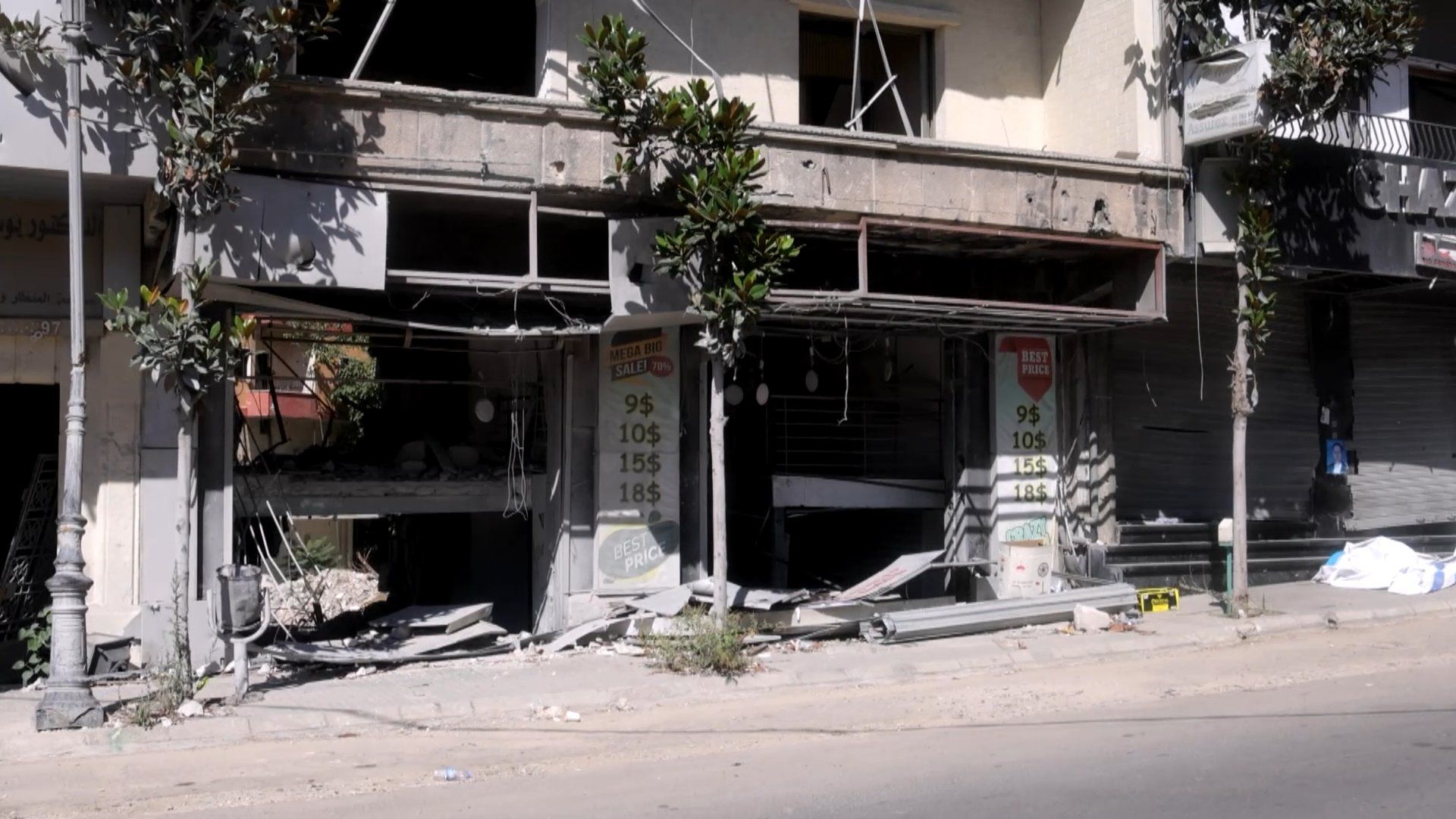
Once the vibrant economic heart of southern Lebanon, the city of Nabatieh now stands eerily silent, transformed into a desolate landscape following an intensified barrage of Israeli strikes. What was once a bustling hub of commerce and daily life has chillingly become a Lebanese ghost town, its streets emptied, its buildings scarred, and its spirit severely shaken. The chilling silence that has descended upon this historic city speaks volumes of the escalating conflict that continues to grip the region, leaving behind a trail of destruction and widespread displacement.
Al Jazeera’s Zeina Khodr vividly reported on the catastrophic shift, detailing how Israel’s relentless attacks have systematically dismantled the urban fabric of Nabatieh. Residents, once integral to the city’s lively atmosphere, have been forced to abandon their homes and livelihoods, seeking refuge from the relentless bombardment. This exodus has not only emptied the streets but has also ripped apart the social and economic tapestry that defined the city for generations.
The Transformation into a Lebanese Ghost Town
For decades, Nabatieh held significant strategic and economic importance in southern Lebanon, acting as a crucial nexus for trade and a vibrant center for local markets. Its souks teemed with activity, its cafes echoed with conversation, and its schools bustled with the energy of youth. Today, however, that vibrant tableau has been replaced by a grim panorama of rubble and desolation. Multi-story buildings, once symbols of aspiration and stability, now stand as hollowed-out shells, their facades ripped open, exposing the intimate details of lives abruptly interrupted.
The intensity of the recent strikes marks a concerning escalation in the ongoing regional tensions, specifically impacting civilian infrastructure and populated areas. These actions compel us to reflect on the broader, devastating human cost of armed conflicts across the Middle East. Similar to the relentless violence witnessed in other flashpoints, such as the Saudi-Houthi fighting in Yemen, civilians in Nabatieh find themselves caught in the brutal crossfire, their lives irrevocably altered.
Echoes of Despair and Displacement
The human stories emerging from Nabatieh are heart-wrenching. Families, clutching what few possessions they could gather, have fled under duress, leaving behind generations of memories and the very foundations of their existence. The psychological toll on those who have witnessed their city crumble before their eyes is immeasurable. Children, traumatized by the sounds of explosions and the sight of destruction, face an uncertain future marred by instability and fear.
Moreover, the economic repercussions extend far beyond the immediate damage. Nabatieh’s role as a regional trade center means its paralysis reverberates through the broader southern Lebanese economy, impacting countless small businesses, farmers, and daily wage earners. This disruption comes at a time when Lebanon is already grappling with a severe economic crisis, making recovery efforts monumental and complex.
A Region on the Brink
The situation in Nabatieh is a stark microcosm of the wider geopolitical volatility gripping the Middle East. The escalating exchanges along the Israel-Lebanon border are intrinsically linked to the larger conflict dynamics in the region, particularly the ongoing war in Gaza. International observers have repeatedly warned about the dangers of regional spillover, and the tragic transformation of Nabatieh into a Lebanese ghost town serves as a grim testament to these fears.
The international community faces an urgent imperative to de-escalate these hostilities. Without concerted diplomatic efforts and a genuine commitment to peace, more cities risk sharing Nabatieh’s tragic fate. The resilience of the Lebanese people is undeniable, yet even the strongest spirit can be fractured by continuous war and displacement. The world watches, holding its breath, as the fate of Nabatieh, and indeed, much of southern Lebanon, hangs precariously in the balance, pleading for a return to peace and stability.