
NTA Suspends Eduquity’s Empanelment Over Jaipur AIAPGET Lapses, Issues Show-Cause Notice
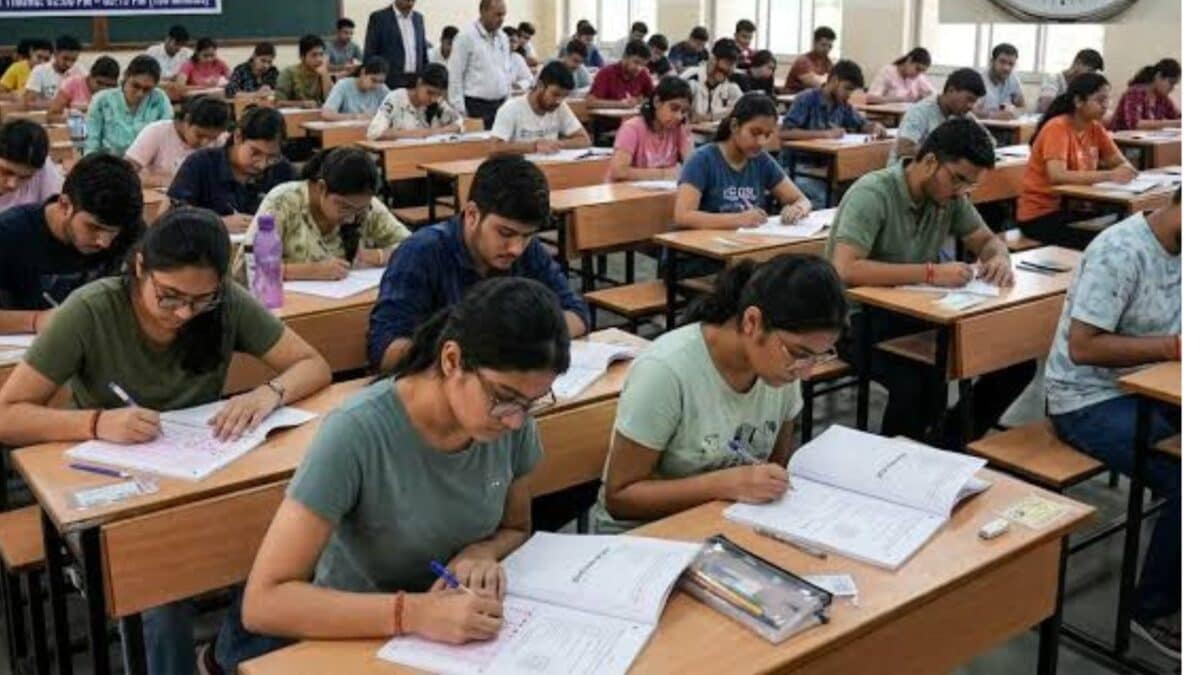
NEW DELHI – In a stern move underscoring its commitment to examination integrity, the National Testing Agency (NTA) has decisively suspended the empanelment of M/s Eduquity Career Technologies Pvt. Ltd. and issued a stringent show-cause notice. This immediate action comes on the heels of significant AIAPGET lapses reported at an examination centre in Jaipur, an incident that disrupted the academic trajectory of dozens of aspiring AYUSH post-graduate students.
The All India AYUSH Post Graduate Entrance Test (AIAPGET) is a crucial examination for admission to postgraduate courses in Ayurveda, Unani, Siddha, and Homoeopathy. Its smooth conduct is paramount for thousands of candidates across the nation, making the reported irregularities a matter of profound concern. The NTA, established to conduct various national-level entrance and recruitment examinations with transparency and fairness, has faced increasing scrutiny in recent times, necessitating swift and visible action against any procedural shortcomings.
Unpacking the Jaipur AIAPGET Lapses
The core of the issue stems from a debilitating power failure at the Shri Satya Sai PG College centre in Jaipur on the day of the examination. This unforeseen outage, directly attributed to M/s Eduquity Career Technologies Pvt. Ltd., rendered 49 candidates unable to complete their crucial examination. Imagine the sheer anxiety and frustration of students who have toiled relentlessly, often for years, preparing for such a pivotal test, only to have their efforts jeopardized by a preventable logistical failure. The ripple effect extends beyond mere inconvenience; it can have profound psychological and academic repercussions for the affected individuals.
Following this alarming incident, the NTA wasted no time in addressing the grievance, announcing that the 49 affected candidates would be granted a re-examination. This re-test is scheduled for September 1 at the Rajasthan College of Engineering for Women, Jaipur, offering a much-needed second chance to those whose initial attempt was unfairly curtailed. While this offers some solace, the incident itself highlights a broader challenge in maintaining foolproof standardized assessment procedures across a vast network of examination centres.
NTA’s Decisive Response and Broader Reforms
The suspension of Eduquity’s empanelment is not merely a punitive measure; it sends an unambiguous message to all agencies partnered with the NTA: lapses in operational standards will not be tolerated. The show-cause notice demands a comprehensive explanation from Eduquity, and the future of their association with the NTA hinges on the satisfactory resolution of these charges. The National Testing Agency, the country’s premier examination conducting body, emphasizes its commitment to upholding the sanctity of examinations, which are the bedrock of India’s merit-based educational and professional systems.
This incident, though specific to the AIAPGET, is part of a larger conversation about examination integrity and reliability in India. In recent times, issues ranging from question paper leaks to technical glitches have plagued various entrance exams, leading to widespread student discontent and calls for systemic reform. The NTA itself has acknowledged the need for a major overhaul of its processes to prevent future disruptions. These proposed reforms include a robust four-tier system for meticulously scrutinizing question papers, significantly stronger security measures, potentially involving CISF teams at new examination premises, and the strategic induction of new experts and professional hires to bolster operational capabilities.
Furthermore, the agency is actively engaged in overhauling its confidential operations architecture, conducting a comprehensive audit of existing processes, and has even floated tenders for enhanced security services. Such proactive steps are essential to restore public confidence in the examination system. Just as the centre recently demanded a comprehensive audit of all exam processes following the UGC-NET re-test, the ongoing scrutiny ensures accountability and continuous improvement. The recurrent nature of these challenges underscores a pervasive issue in the education sector, often leading to frustrations echoed in broader societal discussions, such as how protests reflect systemic failures that affect different demographics, including Gen Z.
The NTA conducts an impressive array of 15-20 national-level entrance and recruitment examinations annually, including high-stakes tests like JEE, NEET, and CUET. The sheer scale of these operations means that even minor lapses can have far-reaching consequences. Ensuring that every single examination centre adheres to the highest standards of conduct and logistical preparedness is a monumental task, but one that the NTA must consistently strive for.
As the investigation into Eduquity’s role in the AIAPGET lapses continues, the focus remains firmly on safeguarding the aspirations of students. The re-examination for the affected candidates is a critical step towards rectifying the immediate injustice, but the broader reforms being undertaken by the NTA are vital for building a more resilient and trustworthy examination ecosystem for the future.