
Cornell case puts New York’s progressive image at odds with its rape laws
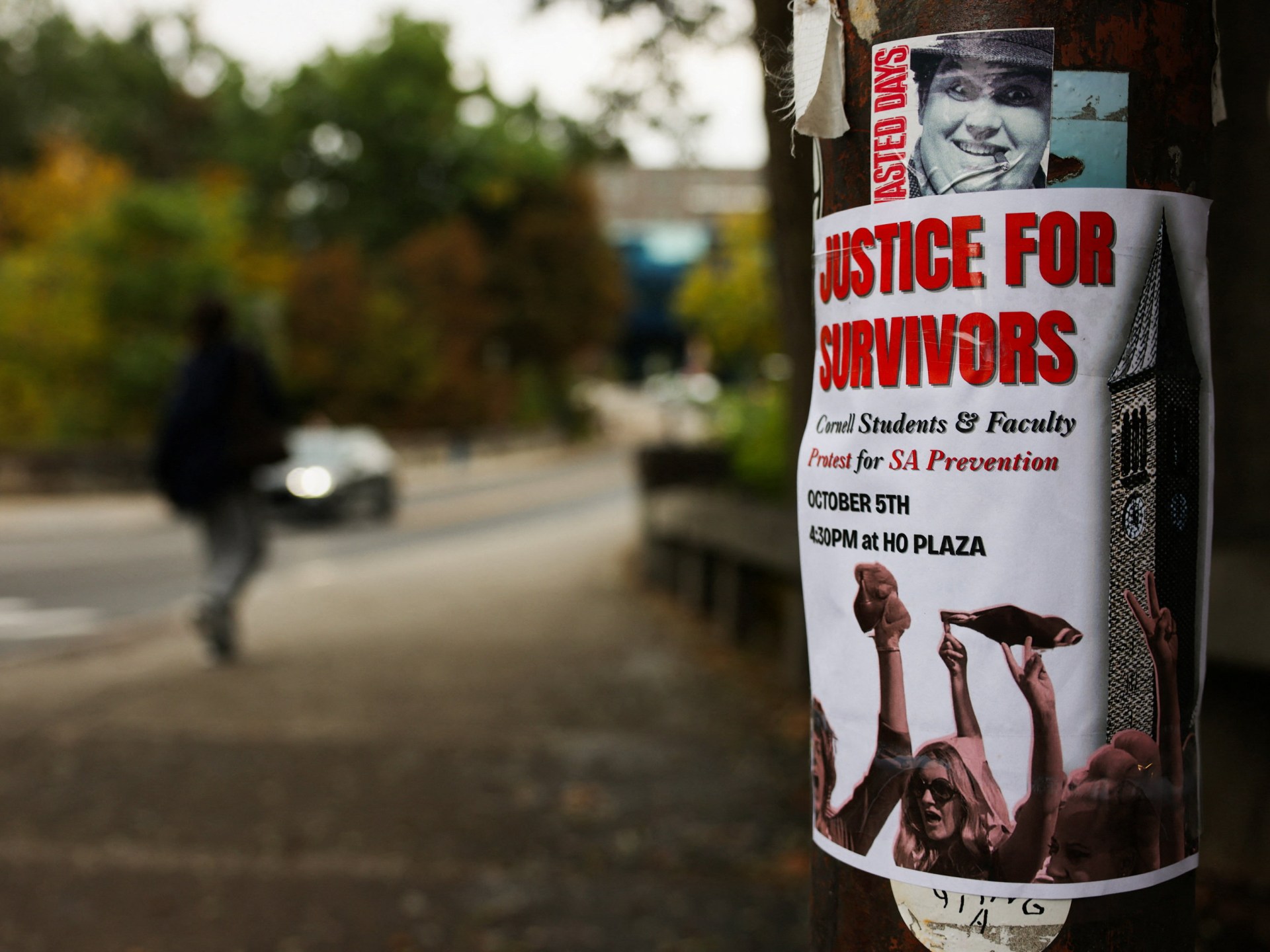
A high-profile legal battle at Cornell University has ignited a national conversation regarding the adequacy of current sexual assault statutes in New York. Recent allegations filed by a survivor, known as Jane Doe, against both the university and the Chi Phi fraternity have exposed deep flaws in how the state handles cases involving incapacitated victims. This incident has brought the so-called Cornell rape laws to the forefront of the legislative agenda, forcing a reckoning in a state that prides itself on being a champion of social progress.
As the legal community scrutinizes these events, it has become clear that New York faces an urgent need to modernize its approach to sexual violence. Activists are pointing to the systemic barriers that prevent survivors from achieving justice, arguing that the existing legal framework is archaic and deeply disconnected from contemporary understandings of consent. You can learn more about the broader context of such societal shifts through detailed resources on sexual assault dynamics.
Revising Cornell Rape Laws and Intoxication
The primary point of contention in the current legal landscape is the state’s stance on voluntary intoxication. Under existing New York law, there is a legal distinction between being forced into an incapacitated state and choosing to consume alcohol or substances. Critics argue this loophole effectively shifts the burden of proof onto the victim, essentially creating a scenario where, if a victim was intoxicated by choice, the law provides the perpetrator with a potential defense that undermines the survivor’s claim.
This narrow interpretation of incapacitation has been a persistent obstacle for prosecutors across the state. In the context of the Cornell allegations, the district attorney initially declined to move forward with charges, citing the difficulties inherent in navigating this statute. The outcry following this decision was swift, leading to a reopened investigation and a promise from Governor Kathy Hochul to close the regulatory gap. Many experts hope that this moment will finally catalyze a legislative shift to eliminate the distinction between voluntary and involuntary intoxication in consent cases.
Beyond the intoxication statute, reformers are pushing for the expansion of rape-shield protections. Currently, these protections, which prevent a survivor’s sexual history from being used as a weapon in court, are limited largely to criminal proceedings. In civil cases, however, survivors often find themselves subjected to invasive questioning that centers on their past rather than the incident at hand. The Cornell University president has vowed transparency in response to the public outrage, but advocates insist that real change requires permanent updates to the statute books.
The Fight Against Systemic Rape Culture
Beyond the courtroom, there is an ongoing battle to protect those who speak out against misconduct. Advocates are highlighting the dangers of retaliatory defamation lawsuits, which are often used by powerful entities to silence survivors. This legal tactic is not only expensive but is also emotionally and psychologically taxing for the accusers. Proposed legislation, such as the Speak Your Truth Act, aims to shield victims from these financial burdens, ensuring they can seek justice without fear of losing their livelihoods.
The push for reform is also a matter of personal history for many who have navigated the broken system. Bridie Farrell, a prominent advocate, notes that the lack of progress on these laws is reflective of a broader, persistent apathy toward survivor rights. She highlights that even after significant legislative victories, such as the passage of the Child Victims Act, the pace of change remains alarmingly slow. You can review more details regarding various ongoing social issues at global news platforms.
Ultimately, while legislators in Albany are beginning to form working groups to study these statutes, the consensus among activists is that law alone is not the total solution. Changing the law is a vital step, yet it must be accompanied by a cultural shift. The prevalence of rape culture on campuses, including those at prestigious institutions like Cornell, remains a systemic issue that cannot be solved by a single bill. As society continues to grapple with these revelations, the demand for accountability, transparency, and justice remains the driving force for the ongoing reform movement in New York.