
UN warns of ‘supersized’ El Niño as countries prepare for impact
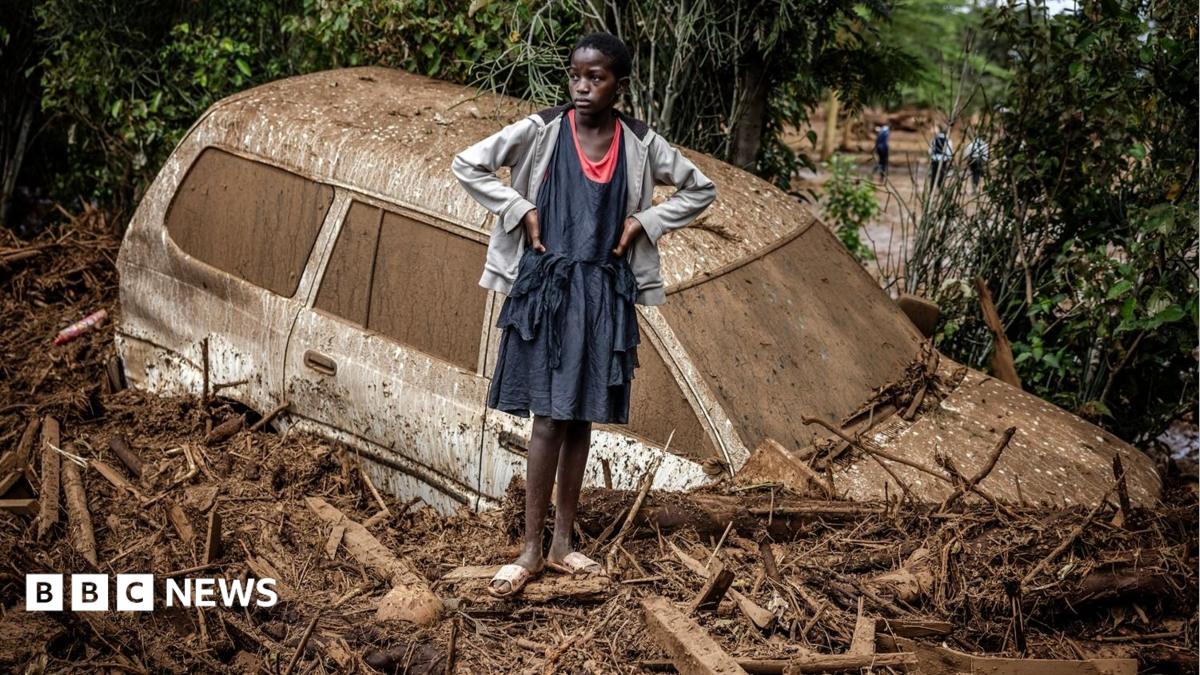
The global community is bracing for an unprecedented climatic event as the United Nations issues a dire warning about a developing ‘supersized El Niño’. This powerful natural weather phenomenon, already demonstrating exceptional strength, threatens to unleash a cascade of extreme weather events across the planet, from devastating droughts to catastrophic flooding and intensified typhoons, potentially lasting until early 2027.
UN head António Guterres articulated the gravity of the situation, declaring that the world has decisively entered a "danger zone of extreme weather." His stark words underscore the urgency of the World Meteorological Organization’s (WMO) latest data, which indicates that this El Niño could be the most formidable in over 70 years, a truly alarming prospect for nations still reeling from existing climate challenges.
The Unprecedented Power of ‘Supersized El Niño’
El Niño, a cyclical warming of the Pacific Ocean’s surface waters, fundamentally alters global atmospheric circulation, thereby reshaping weather patterns worldwide. It typically ushers in drier conditions in some regions while intensifying rainfall and storm activity in others. This particular event, however, is not merely strong; it is exhibiting characteristics that suggest it will surpass all recorded benchmarks. "El Niño is being supersized before our eyes. The science leaves no room for doubt: the planet is in uncharted waters, and those waters are heating up," Guterres emphasized, highlighting the confluence of this natural cycle with human-induced climate change.
Recent observations reveal astonishing sea temperature anomalies. The Pacific’s crucial monitoring region has registered surface temperatures well over 2°C above average, putting it firmly on track to be classified as a "very strong" event. Forecasts suggest monthly sea surface temperatures could even approach a staggering 4°C above average. Furthermore, beneath the Pacific’s surface, temperatures are in places more than 8°C above average, an exceptional deviation that speaks volumes about the immense energy being stored within the ocean system. Such figures indicate that this could indeed be the strongest El Niño since at least 1950, potentially by a considerable margin.
Global Ripple Effects: Drought, Wildfires, and Economic Strain
The immediate and foreseeable impacts are multifaceted and far-reaching. The WMO anticipates significant shifts in rainfall patterns over the coming months. Vast expanses of Southeast Asia, Central America, and northern South America are expected to endure drier-than-usual conditions, dramatically elevating the risk of devastating droughts and widespread wildfires.
Indonesia, for instance, is already grappling with an extended dry season and rampant wildfires, with over 107,000 hectares of land having been incinerated nationwide. Residents, like Darwin Romy from Central Kalimantan, recount enduring over a month of thick, stinging smoke. Authorities are deploying cloud-seeding aircraft in a desperate bid to induce rain and contain these infernos, alongside government pledges for additional resources and the arrest of dozens suspected of illegal land-clearing. This environmental catastrophe is not only destroying natural habitats but also posing severe health risks to communities. Moreover, the critical Panama Canal, a vital artery for global trade facilitating approximately 14,000 ships annually and generating about $3 billion for Panama, has already announced a reduction of more than 10% in vessel transits due to anticipated lower rainfall, threatening to disrupt international supply chains. Historically, countries in Southern Africa, such as Botswana, also suffered immense hardship during prior El Niño-induced droughts.
Heightened Typhoon Activity and Landslide Threats
Conversely, other regions face an onslaught of intensified rainfall and powerful storms. China, for example, is bracing for an estimated seven typhoons this year, a figure its experts directly attribute to the ‘supersized El Niño’. The nation experienced three typhoons – Bavi, Noul, and Maysak – in July alone, resulting in dozens of fatalities, followed by Typhoon Dolphin in August, which necessitated the evacuation of over one million people amid torrential rains and ferocious winds.
Similarly, eastern Africa, southern Brazil, and the southern US are forecast to experience wetter-than-average conditions, significantly increasing the likelihood of severe flooding. Peru, with its extensive coastline bordering the eastern Pacific, is acutely vulnerable. The nation, along with Ecuador and parts of Brazil, has historically witnessed heightened rainfall, leading to flash floods and perilous landslides, particularly in densely populated urban centers where drainage infrastructure often struggles to cope. This is why preparedness is paramount. In a region frequently beset by catastrophic flash floods, early warning systems are literally lifelines.
Miguel Aréstegui, a climate resilience lead at Practical Action, an organisation assisting nations with extreme weather preparation, expressed profound concern but stressed that this apprehension must galvanize preparedness rather than panic. His organization has been diligently working to enhance public access to early warning systems, disseminating vital information on river levels, flood risks, and detailed weather forecasts. The United States has even dispatched the vessel USNS Comfort to the Peruvian coast, deploying medical aid and technical equipment in anticipation of the El Niño’s peak.
Oceans Under Siege: Australia’s Marine Environment at Risk
Beyond atmospheric disturbances, the oceans themselves are signaling distress. Above-normal sea temperatures are projected for the Indian Ocean, the tropical Atlantic, and around parts of the Australian coast. For Australia, renowned for its vibrant marine ecosystems, these shifts are particularly alarming. The continent has recently battled successive marine heatwaves, exacerbated by broader climate change, causing extensive coral bleaching and destructive algae blooms. Dr. Alistair Hobday, a chief researcher at Australia’s science agency, noted that while El Niño is a natural phenomenon, its extreme heat amplifies these marine disasters. "Southern Australia is getting slammed," he warned, citing past instances of starving penguins and widespread fish kills.
While forecasts suggest a reprieve for the iconic Great Barrier Reef this year, allowing some recovery time, Southern Australia and Tasmania appear poised for stronger marine heatwaves, echoing past events that led to suffocating algae outbreaks and jellyfish invasions. Australia has proactively implemented early warning systems for marine crises, enabling crucial financial relief for fisheries, the relocation of vulnerable species, and enhanced coral monitoring, though Hobday admits to being "quite worried" about the sheer scale of the approaching conditions. This ‘supersized El Niño’ serves as a potent reminder of our planet’s delicate balance and the urgent imperative for global cooperation in confronting the escalating challenges of our changing climate, a sentiment echoed by global leaders consistently.
Professor Celeste Saulo, the WMO Secretary-General, succinctly encapsulated the looming threat: "El Niño has the potential to deliver a massive blow to communities and economies across the world." This event, layered upon the backdrop of persistent human-caused warming, could make its impacts even more severe, driving home the critical need for robust preparedness and adaptive strategies across all sectors of society.