
Bengaluru Bans Two-Wheelers On Airport Road, Traffic Curbs Imposed On 3 Flyovers
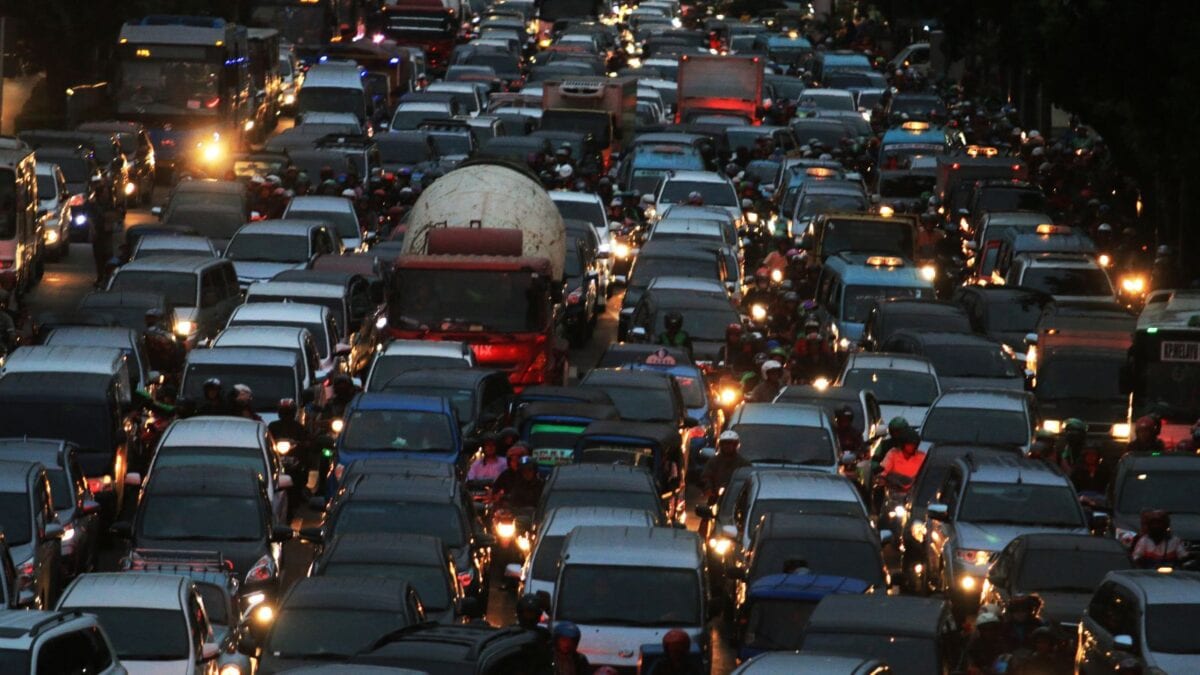
In a significant move aimed at untangling its notoriously congested roads and bolstering commuter safety, the Bengaluru Traffic Police have officially implemented stringent new Bengaluru Traffic Bans. These sweeping restrictions, which commenced on Friday, September 4, 2026, primarily target two-wheelers on the crucial International Airport Road Elevated Corridor and extend to various categories of vehicles across three other major flyovers within the city.
The city, often dubbed India’s Silicon Valley, has grappled with an escalating vehicular population for years, turning daily commutes into arduous journeys. This latest directive signals a more proactive stance by authorities to reclaim order and efficiency on its arterial networks. The immediate ban on two-wheelers on the high-speed elevated corridor leading to Kempegowda International Airport is just the vanguard of these new regulations, with further curbs set to impact thousands of daily commuters.
Comprehensive Bengaluru Traffic Bans Unfold
The restrictions are not confined to a single stretch but are part of a broader, multi-faceted strategy to overhaul traffic management across several critical junctures. Beyond the Airport Road Elevated Corridor, strictures have also been imposed on the BGS flyover in West Bengaluru, the Peenya Elevated Corridor, and the double-decker flyover connecting Silk Board and Ragigudda. Furthermore, the Electronic City flyover is slated to join this list of restricted thoroughfares, with a complete ban on two-wheelers effective from Friday, September 11, 2026.
Joint Commissioner of Police (Traffic), Karthik Reddy, elucidated the multifaceted considerations underpinning these impactful decisions. “Key factors considered while taking decisions on restrictions were road safety, road design and the width of the flyover, reducing the severity of accidents and mitigating traffic congestion caused by vehicle breakdowns,” Reddy stated, emphasizing the holistic approach taken by the department. He further elaborated that the safety of pedestrians and two-wheeler riders was paramount, alongside efforts to ease congestion at flyover entry and exit points, and to facilitate effective emergency traffic management. The entire enforcement process will be meticulously monitored through an extensive network of CCTV cameras, ensuring compliance and aiding in rapid response to any incidents.
Specifics of the New Restrictions
Commuters navigating the city’s sprawling expanse need to be acutely aware of the specific prohibitions now in place:
- International Airport Road Elevated Corridor: A complete ban on two-wheelers came into effect on September 4, 2026.
- BGS Flyover (West Bengaluru): All goods vehicles, including three-wheelers, are now prohibited during morning and evening peak hours. Heavy goods vehicles face a blanket ban throughout the entire day.
- Peenya Elevated Corridor: Auto-rickshaws are banned all day, while goods vehicles are prohibited during peak hours.
- Double-Decker Flyover (Silk Board to Ragigudda): Restrictions mirroring those on the Airport Road Elevated Corridor are now active.
- Electronic City Flyover: A comprehensive ban on two-wheelers will be enforced starting September 11, 2026.
These detailed prohibitions aim to segment traffic flow, isolating slower, more vulnerable vehicles from high-speed corridors and reducing the potential for severe accidents, a common occurrence on elevated stretches. The move is a desperate attempt to tame the urban chaos that frequently paralyzes the city. With Bengaluru’s rapid expansion, often leading to calls for a ‘Second Bengaluru’ to alleviate pressure, the existing infrastructure is under immense strain.
The Commuter’s New Reality and Future Outlook
For the scores of citizens who rely on two-wheelers for their daily commute, these Bengaluru Traffic Bans represent a significant shift. Many may now need to seek alternative routes or consider other modes of transport, potentially increasing the burden on surface roads already struggling with capacity. This could, in turn, accelerate the adoption of public transport systems like the Namma Metro, which is itself undergoing expansion, with lines like the Pink Line nearing operational readiness.
While the immediate impact might involve initial confusion and longer journey times for some, the long-term vision is undeniably focused on creating a safer, more predictable commuting experience. Urban planners and traffic experts often advocate for such measures to optimize road usage and enhance safety, a strategy seen in various global cities battling similar issues. For instance, cities worldwide have implemented road space rationing or dedicated lane policies to manage urban mobility challenges. This localized approach in Bengaluru reflects a growing understanding that comprehensive infrastructure development must be complemented by intelligent traffic regulation.
Ultimately, the success of these traffic modifications will hinge on public cooperation and consistent enforcement. As Bengaluru continues its trajectory as a global economic hub, innovative and sometimes inconvenient, solutions will be essential to ensure its residents can move freely and safely. The city’s transport narrative is evolving, and these bold new restrictions mark another chapter in its ongoing quest for smoother, safer roads.