
One dead, 102 rescued after Indonesian ferry goes missing in Java Sea
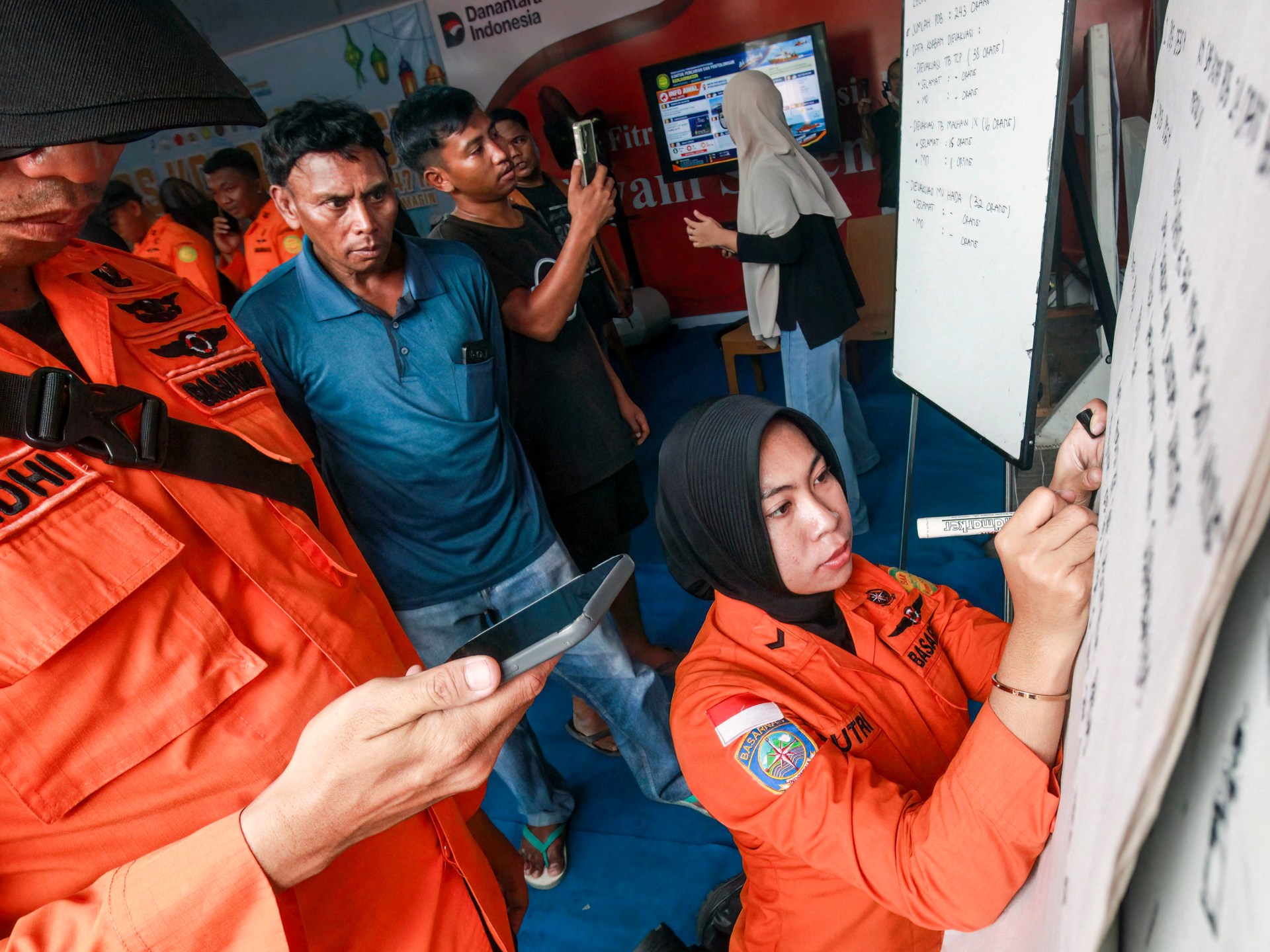
A pall of grim anxiety hangs heavy over the Java Sea this week, as a devastating Indonesian ferry disaster has claimed at least one life and left scores of individuals missing. The unfortunate vessel, Virgo Transport 8, which had 243 souls aboard, abruptly vanished from radar screens amidst the brutal embrace of a tempestuous storm, plunging families into an agonizing wait for any glimmer of hope. Initial reports confirm that a total of 102 people have been successfully evacuated, offering a thin sliver of relief against the backdrop of an unrelenting search operation now desperately racing against time and the formidable elements.
The ferry embarked on its routine journey from Surabaya, a bustling port city on the Indonesian island of Java, on a Saturday. Its intended destination was Banjarmasin, a significant hub on Borneo. However, in the nascent hours of Sunday, communication ceased. The vessel, a critical link in the vast maritime network of the Indonesian archipelago, reportedly succumbed to the ferocious whims of the weather, encountering perilous conditions that ultimately led to its disappearance. The national search and rescue agency, Basarnas, promptly mobilized, initiating an expansive operation to locate the missing passengers and crew, yet the ocean’s vastness and volatility present an extraordinary challenge.
The Treacherous Search for Survivors Amidst the Indonesian Ferry Disaster
The severity of the situation cannot be overstated. I Putu Sudayana, the diligent head of the local search and rescue office in Banjarmasin, articulated the extreme risks faced by responders. Waves, towering as high as 2.5 meters (8.2 feet), have relentlessly lashed the search area, which stretches approximately 81 nautical miles (150km) from Banjarmasin, the ferry’s last known position in the Java Sea. “It is extremely risky for vessels. Even our Basarnas vessel, which is 40 metres [131 feet] long, is at great risk,” Sudayana warned reporters, underscoring the formidable natural obstacles impeding the heroic efforts of rescue teams equipped with ships and helicopters.
Indonesia, a nation comprising thousands of islands, is profoundly reliant on sea transport, which serves as a vital artery of transportation for both people and goods across its sprawling geography. This reliance, regrettably, often comes with inherent risks. The archipelago’s intricate network of sea lanes, while essential, is also susceptible to unpredictable weather patterns and, at times, inadequate safety standards or enforcement. This latest Indonesian ferry disaster painfully echoes a concerning history of maritime tragedies within the region.
Just last month, a separate incident saw one fatality and five missing after a ferry fire erupted between the popular tourist havens of Bali and Lombok. Earlier in July, another ferry carrying over 70 individuals tragically capsized and sank near Selayar Island, south of Sulawesi. These incidents serve as stark reminders of the persistent vulnerabilities in maritime transport, necessitating ongoing scrutiny of vessel maintenance, passenger capacity, and emergency protocols. The very real human cost of such events transcends geographical boundaries, a poignant truth that resonates deeply when considering other large-scale natural phenomena and their impact on communities, such as those highlighted in reports like the UN’s warning on a ‘supersized’ El Niño and the need for global preparedness.
Lessons from the Waves: Enhancing Maritime Safety
The recurring nature of these incidents compels a more profound examination of maritime safety standards and their rigorous implementation. While the bravery of search and rescue personnel is commendable, the focus must also shift towards preventative measures. This includes stricter oversight of vessel seaworthiness, adherence to capacity limits, and the comprehensive training of crew members in emergency response procedures. Furthermore, technological advancements, such as enhanced tracking systems and real-time weather alerts, could play a pivotal role in mitigating future tragedies. Adherence to rigorous international standards is paramount to safeguarding lives at sea.
Families, often gathered at port towns like Banjarmasin, cling to every update, their faces etched with a profound mix of fear and desperate hope. The images of relatives intently watching whiteboards for names of the rescued paint a poignant picture of collective anguish. Each minute that passes with loved ones unaccounted for amplifies the emotional toll, transforming a tragic accident into a deeply personal ordeal for hundreds.
As the international community watches, the current Indonesian ferry disaster serves as a grave reminder of the unforgiving power of the sea and the immense responsibility placed upon maritime operators and regulators. The unwavering commitment to rescue operations continues, driven by the fervent hope of finding more survivors amidst the churning waves of the Java Sea. Simultaneously, this tragedy must galvanize efforts to bolster maritime safety across the archipelago, ensuring that future voyages are safeguarded by the most rigorous standards, thereby preventing similar heartbreak from ever recurring on Indonesia’s essential waterways. The lessons learned from this harrowing episode, indeed, must be etched permanently into policy and practice.