
Palestinian Americans meet US lawmakers as Trump seeks $2.8bn for Israel
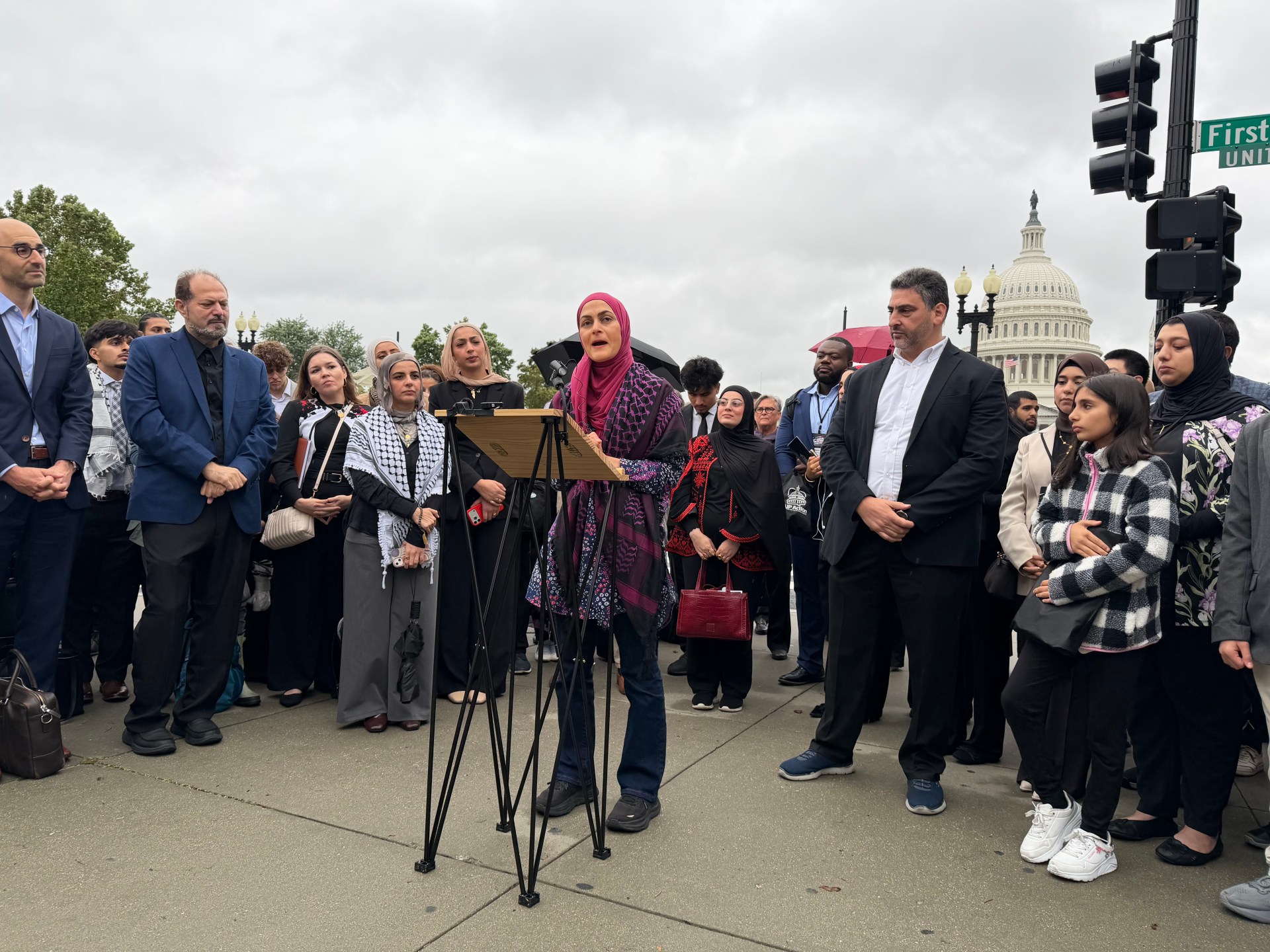
In a powerful display of civic engagement, hundreds of Palestinian Americans recently descended upon the United States Capitol to voice their opposition to the latest military support initiatives. This day of advocacy, organized by the Americans for Justice in Palestine Action (AJP Action) group, highlighted the deepening tension between grassroots sentiment and federal foreign policy, specifically regarding the reported $2.8 billion arms transfer to Israel under the Trump administration. With more than 300 constituents engaging with over 100 legislative offices, the event signaled that Palestinian Americans are no longer merely spectators in the corridors of power, but active participants demanding accountability.
The atmosphere in Washington, D.C., was charged with a mixture of urgency and historic resolve. Participants traveled from 26 states to urge their representatives to reconsider U.S. complicity in the ongoing war in Gaza. For many, this trip was deeply personal. Jenna Escheik, a 19-year-old student with roots near Ramallah, emphasized the collective frustration of seeing taxpayer dollars fund conflict. “We are all proud to be American, and we all have our taxpayer dollars that we just don’t want to see going to wars,” she remarked, reflecting a broader sentiment shared by the delegation.
The Growing Political Impact of Palestinian Americans
For decades, the political landscape in Washington has remained largely resistant to conditioning military aid to Israel. However, the current climate—defined by nearly three years of intense conflict—is shifting. The recent approval of a multi-billion dollar weapons package, which includes thousands of MK-84 bombs, has reignited intense debate among lawmakers. As analysts suggest, shifting geopolitical alliances often stem from internal pressure; for more context on how global powers adjust their regional strategies, read about the evolving nature of international military agreements.
The impact of Palestinian Americans is not just seen in rallies but in legislative chambers. Recent statistics show a historic pivot within the Democratic Party, where a majority of senators voted to block certain arms transfers just last year. Advocates point to the “Block the Bombs Act” as a testament to this legislative evolution, which has garnered significant co-sponsorship. Furthermore, internal movements within the Republican Party, particularly among voters under 45, suggest that the monolithic support for current aid strategies may be fracturing.
Connecting Domestic Policy to International Human Rights
Beyond military aid, the delegation also addressed the controversial use of immigration law to curtail pro-Palestinian advocacy. Stories of activists detained by ICE, often citing “adverse foreign policy consequences” under the Immigration and Nationality Act of 1952, have galvanized the community. Individuals like Salah Sarsour have brought national attention to these tactics, arguing that domestic detention policies mirror the oppressive systems found abroad.
The connection between domestic policing and international foreign policy remains a central pillar of the movement. As one activist noted during the proceedings, the logic of dehumanization used in detention centers is perceived as the same logic that enables civilian displacement in the Middle East. This alignment of issues is drawing new demographics into the fold, creating a broader coalition that links civil liberties in the U.S. with human rights abroad. For deeper analysis on how such policies affect vulnerable communities, check out this report on the realities of detainee treatment in global conflict zones.
Ultimately, the surge of Palestinian Americans engaging with the democratic process signifies a permanent change in U.S. political discourse. Whether this translates into immediate policy changes or serves as a long-term catalyst for legislative shifts remains to be seen. However, as the delegation made clear, they are prepared to be the “vehicles for change” in a system that they believe has long ignored their voices.