
Trump threatens to ‘annihilate’ Iran in UN speech as officials meet on sidelines
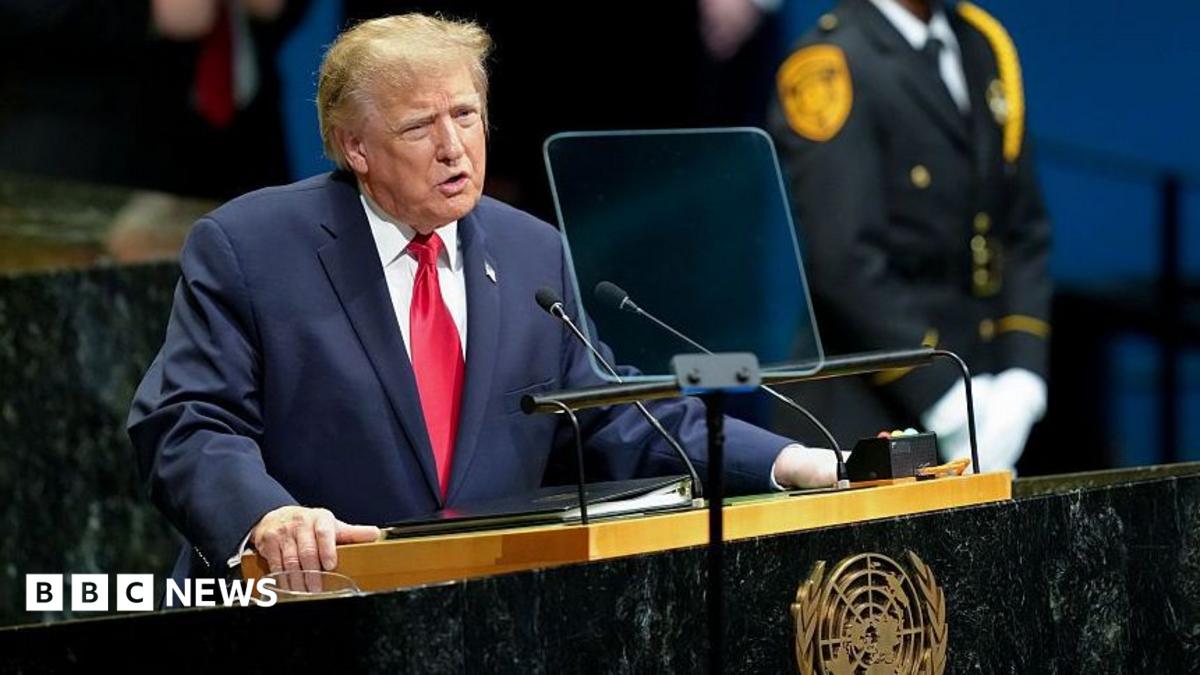
In a high-stakes address at the United Nations General Assembly in New York, President Donald Trump delivered a polarizing message to the international community. The focus of the global conversation quickly centered on his aggressive rhetoric regarding Iran, as he declared he faces a “big decision” concerning the nation. Central to his foreign policy agenda is the ongoing tension surrounding the Trump Iran threat, which has dominated geopolitical discourse since military actions commenced in February.
Standing before a packed assembly, the President did not mince words. He left the door open for a diplomatic breakthrough, yet simultaneously warned that he held the capability to “annihilate” the Islamic Republic if current conflicts remained unresolved. This posture of coercive diplomacy—balancing the promise of total destruction with an invitation for negotiation—marks a defining feature of the current administration’s approach to global power. The reality of these stakes is felt worldwide, especially as military actions in the Middle East continue to influence everything from global oil markets to regional stability, a situation recently explored in detail regarding the strategic expansion of military infrastructure by the United States.
The Trump Iran Threat and Global Diplomacy
The intensity of the President’s language was underscored by the presence of a single member of the Iranian delegation, who observed the remarks in silence. Despite the harsh warnings, there are whispers of behind-the-scenes progress. Reports indicate that US officials engaged in a “very productive” three-hour meeting with their Iranian counterparts on the sidelines of the UN gathering. This dichotomy between public bravado and private diplomacy is characteristic of the current administration’s playbook.
While the Trump Iran threat garnered the most headlines, the President used the global stage to address other critical issues. He dismissed the concept of “global government” and criticized the UN as a collection of “globalist bureaucrats.” In a bold move, he signaled his intention to take personal charge of peace efforts between Russia and Ukraine, predicting a resolution would arrive much sooner than analysts anticipate. His rhetoric regarding national sovereignty remains an unyielding pillar of his political brand, clearly intended to resonate with his domestic base as the midterm elections loom in November.
Technological Supremacy and Arctic Security
Beyond the battlefield, the President shifted his focus toward the future of technology, specifically artificial intelligence. He rebranded the concept as “super intelligence,” arguing that the term “artificial” diminishes the immense power and utility of the technology. His aim is clear: the United States must win the race for dominance in this sector, and he vowed not to allow global alarmism to throttle American innovation.
Diplomacy on the sidelines remained equally frantic. The President signed a major security pact with Denmark and Greenland, strengthening the US footprint in the Arctic—a move often linked to shifting geopolitical priorities in the North Atlantic. Furthermore, he engaged in face-to-face meetings with various world leaders, including Britain’s Prime Minister Andy Burnham and Ukraine’s President Volodymyr Zelensky, reinforcing his desire to dictate the terms of modern international engagement.
As the international community grapples with these shifts, the Trump Iran threat remains the most volatile variable. Whether the administration’s strategy leads to a historic peace deal or further escalation is a question that will likely be answered in the coming months. For now, the world watches and waits, caught between the rhetoric of strength and the urgent necessity of global cooperation.